

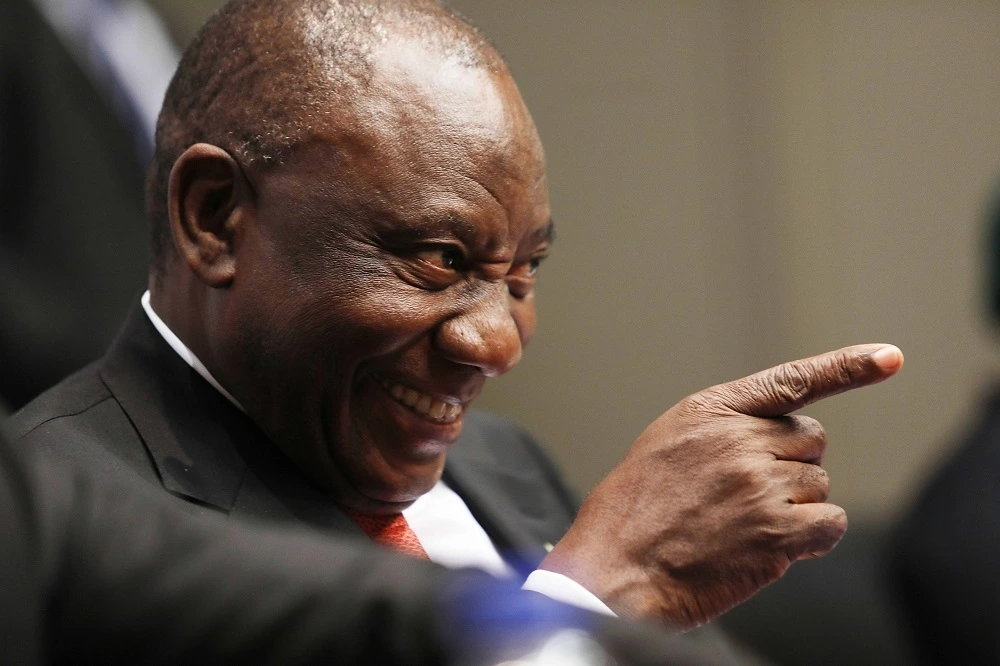
PRETORIA, South Africa – South Africa has warned Nigeria, Ghana, and other African states against seizing or nationalising assets linked to South African companies, arguing such retaliation would damage local jobs, investment, public revenue, and regional trade before hurting Pretoria.
Presidential spokesperson Vincent Magwenya issued the warning after political anger over anti-migrant violence in South Africa reached company boardrooms across the continent. Ghana postponed high-level bilateral meetings with South Africa. Nigerian lawmakers debated stronger economic action. Activists called for pressure on firms such as MTN, Standard Bank-linked businesses, and other South African groups.
Magwenya said appropriation would tell investors those markets were closed to trade and business. He argued uncertainty would spread beyond South African companies and weaken each host country’s development goals. Pretoria said no government had delivered an official nationalisation notice and promised a diplomatic response if formal action followed.
The warning carries truth, but Pretoria should not hide behind economics. Calls for retaliation did not rise from nowhere. African citizens watched migrants beaten, threatened, evicted, blocked from work, and pushed toward repatriation flights. South African anti-immigration groups blamed foreign Africans for unemployment, crime, weak services, and pressure on housing. Violence and vigilante checks turned a domestic policy failure into a continental dispute.
Ghana delayed presidential-level meetings planned for August after renewed attacks and threats against African migrants. Accra also helped citizens leave South Africa and pressed the African Union to address their treatment. Nigerian officials repatriated citizens and said sanctions stayed under consideration. These steps showed anger had moved beyond social media.
Nigeria’s Senate debated nationalising South African businesses as compensation for Nigerians harmed in South Africa. Senators named MTN Nigeria and DStv during the debate. The chamber rejected seizure through a voice vote on July 8 and directed its foreign affairs committee to investigate the attacks and seek stronger protection for Nigerians. The vote prevented anger from becoming an immediate property-rights crisis.
The economic stakes remain high. MTN Nigeria is the South African group’s largest operation. MTN Ghana also drives group earnings. Reuters reported strong performances in both markets helped MTN Group return to profit in 2025. The group recorded profit before tax of 47.4 billion rand, while service revenue rose 22.7 percent. Nigeria and Ghana led the recovery.
These businesses no longer operate as foreign islands. They employ local workers, use domestic contractors, pay taxes, serve millions of customers, trade on local exchanges, and include local shareholders. Nationalisation would therefore seize value belonging partly to Nigerians and Ghanaians. Pension funds, retail investors, suppliers, agents, tower companies, banks, and public institutions would all face losses.
Ghana faces similar exposure. MTN Ghana sits inside the local economy. Gold Fields operates the Tarkwa mine and faces a policy drive for greater Ghanaian participation. Standard Bank operates through regional subsidiaries and partnerships across the continent. A broad retaliation campaign would hit telecommunications, finance, mining, insurance, and digital payments.
Pretoria is right about investor confidence. Governments which seize assets for political punishment raise a basic question for every investor. Who becomes the next target after a diplomatic dispute? Capital responds by delaying projects, raising risk premiums, cutting credit, or leaving. Workers then pay through slower hiring and weaker growth.
Yet South Africa’s warning also exposes an uncomfortable imbalance. Pretoria wants African governments to protect South African capital while African migrants ask Pretoria to protect African lives. South African companies have expanded across the continent because host states accepted their money, technology, brands, and management. Those same states now demand dignity and safety for their citizens inside South Africa.
You cannot defend property rights abroad while tolerating mob rule at home. You cannot ask Nigeria and Ghana to separate business from politics while local movements punish shopkeepers, delivery drivers, builders, and families for state failures. Pretoria needs a stronger answer than warnings about investment.
South Africa recorded unemployment near one third in the first quarter of 2026. Weak growth, crime, housing pressure, and failing services feed public anger. Migrants then become easy targets. Reuters reported 2.6 million migrants lived in South Africa in 2024, around five percent of the population. Older OECD and International Labour Organization estimates placed migrant contribution near nine percent of gross domestic product.
Foreign workers fill gaps in farming, construction, hospitality, retail, transport, and informal trade. Their departure already threatens labour shortages and supply disruption. Remittance losses also spread pain into Zimbabwe, Malawi, Mozambique, and Lesotho. Xenophobia therefore harms South Africa before foreign governments take any retaliatory step.
Nigeria and Ghana also need discipline. Collective punishment would repeat the same injustice they condemn. A Nigerian MTN worker did not attack a migrant in Johannesburg. A Ghanaian pensioner holding telecom shares did not organise a street raid in Durban. Governments should target criminals, demand prosecutions, seek compensation through law, and use diplomacy, courts, regional bodies, or trade negotiations.
South African companies must not remain silent. Their continental profits create public responsibility. Boards should press Pretoria for arrests, prosecutions, migrant protection, and clear immigration enforcement. Corporate leaders should support affected workers and reject Afrophobic rhetoric. Silence now carries commercial risk.
The African Union also needs a firm role. Repeated anti-African violence inside a leading African economy damages continental integration. The African Continental Free Trade Area depends on trust, mobility, capital, and common rules. Retaliatory seizures would weaken those foundations. So would unchecked attacks on African migrants.
Pretoria’s warning should therefore begin a larger bargain. African governments must protect lawful investment. South Africa must protect people, property, and due process. Nigeria and Ghana should reject reckless seizure. Pretoria should end vigilante immigration enforcement, prosecute attackers, and provide credible protection for foreign nationals.
The dispute presents Africa with a choice. One path turns public anger into an economic war which destroys jobs across several countries. The second path uses the crisis to demand equal standards for human safety and investment security.
South African assets deserve legal protection abroad. African lives deserve stronger protection in South Africa. Any regional settlement which defends only one side will fail.