

MINNA, Nigeria – Niger State health authorities have opened an urgent investigation after one child died and several siblings from the same household became ill in Minna, raising concern over a possible infectious disease cluster.
The Ministry of Health moved after the children’s father posted videos on social media and appealed for help. State teams visited the family, transferred the surviving children to a health facility, collected samples, started treatment, and began tracing contacts in the community and schools attended by the children. Officials say diphtheria sits among the conditions under consideration, but laboratory results have not confirmed a diagnosis.
Director of Public Health Dr Ibrahim Idris warned against rumours while stressing urgency. “Every death deserves thorough investigation, and every suspected outbreak must be treated with urgency,” he said. He said laboratory findings must come before any final conclusion.
Such restraint matters. Calling an illness “mysterious” before laboratory confirmation creates panic, stigma, and false treatments. Naming diphtheria as a possibility does not equal confirmation. Samples, clinical histories, vaccination records, throat examinations, and laboratory testing must guide the final diagnosis.
Officials placed affected family members on antibiotic treatment at an isolation centre in the General Hospital. Health workers also started contact tracing around the household and the children’s schools. State authorities said surveillance would expand if tests confirm an infectious disease.
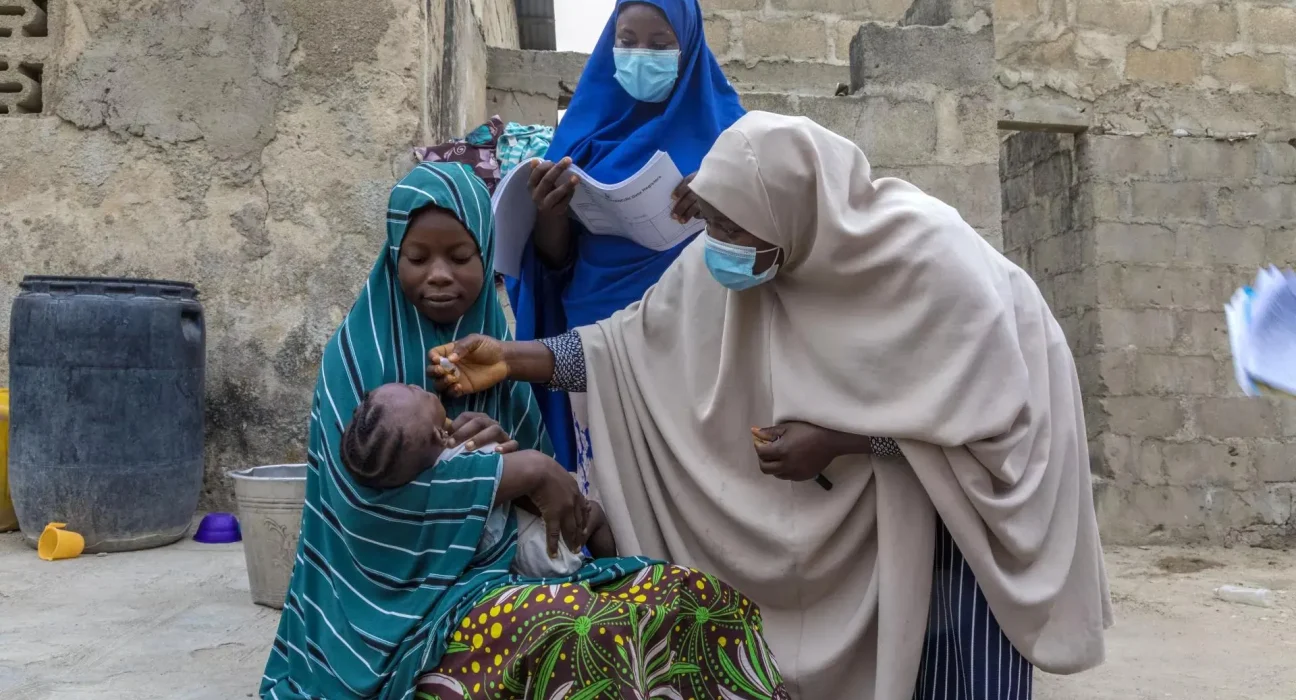
The most disturbing early finding concerns vaccination. Dr Junaidu Inuwa of the Niger State Primary Health Care Development Agency said the deceased child had received only partial immunisation. Some surviving siblings had also missed doses or failed to complete their schedules. Such gaps leave children exposed to diseases modern vaccines already prevent.
Diphtheria spreads through respiratory droplets, close contact, and contaminated objects. Early symptoms often include fever, sore throat, cough, runny nose, weakness, and swollen neck glands. Severe infection produces a thick grey or white coating across the throat, blocks breathing or swallowing, and sends bacterial toxin through the body. The toxin damages the heart, nerves, and kidneys.
Parents must treat breathing difficulty, painful swallowing, neck swelling, unusual throat coating, fever, or sudden weakness as medical emergencies. Families should avoid home mixtures, unlicensed medicine sellers, and delayed hospital visits. Early treatment with antibiotics and diphtheria antitoxin sharply reduces severe complications and death. Health workers should begin treatment when clinical suspicion runs high rather than wait for final laboratory confirmation.
The infection often appears mild during its early stage. Delay gives toxin more time to damage organs. WHO reports untreated diphtheria among unvaccinated people kills around 30 percent of patients, with young children facing greater danger. Vaccination needs several doses and later boosters because one injection does not provide lasting protection.
Niger State’s warning therefore reaches beyond one household. Nigeria has an estimated 2.2 million children who have received no routine vaccine, the highest number in Africa. UNICEF lists Niger among six priority areas in a 2026 programme designed to locate unvaccinated children, track missed appointments, strengthen primary care, and rebuild trust around vaccination.
Such numbers expose a national failure, not parental negligence alone. Distance blocks access in rural areas. Transport costs stop poor families. Security threats disrupt outreach. Clinics face staff shortages, weak cold storage, vaccine stock problems, and irregular opening hours. Some parents fear side effects or follow false claims shared through social media and religious networks.
Government must answer those barriers with mobile teams, reliable vaccine supplies, respectful health workers, clear local-language information, and public records showing coverage by ward. Blaming parents while clinics remain distant, understaffed, or empty will not protect children.
Parents still carry a direct duty. Keep every child’s vaccination card. Check each scheduled date. Return for missed doses. Ask the clinic worker which vaccines remain outstanding. Do not assume one campaign dose completes the full routine schedule. Do not wait for an outbreak before seeking protection.
Vaccination does not only protect one child. High community coverage blocks transmission and shields babies, pregnant women, immunocompromised people, and residents unable to receive selected vaccines. Low coverage creates pockets where old killers return.
Niger State has faced this access problem for years. WHO outreach records show mobile vaccination teams often reached more children than fixed clinics in remote communities. Distance, migration, poverty, and insecurity still leave settlements outside routine services.
The present investigation should test more than one family’s samples. Authorities should review vaccination coverage around the affected home, inspect nearby clinics, check vaccine stocks, verify cold-chain records, and search for children with sore throats, neck swelling, breathing problems, or missed immunisation. Schools need clear reporting channels and trained focal persons.
The state should publish laboratory findings quickly, without exposing the family’s identity. Officials should also release the number of affected people, their ages, vaccination status, treatment progress, contact-tracing totals, and any confirmed disease classification. Silence fuels rumours. Verified updates protect trust.
Communities must cooperate without harassing the family. A suspected infection does not prove wrongdoing. Neighbours should avoid sharing names, home addresses, or unverified videos. Parents should follow health instructions, present children for screening when contacted, and report similar symptoms promptly.
Nigeria’s wider diphtheria history gives no room for complacency. NCDC links severe outbreaks with low vaccination, delayed recognition, slow laboratory confirmation, and shortages of antitoxin or antibiotics. An earlier Borno outbreak killed 21 of 98 reported patients. Such losses show how quickly a preventable disease turns deadly when systems respond late.
Governor Umaru Bago’s administration now faces a clear test. Rapid visits and public statements mark a start. Success requires confirmed diagnosis, complete treatment, protected contacts, stronger vaccination coverage, and transparent follow-up.
Residents should remain calm, but calm does not mean careless. Complete every child’s immunisation. Seek medical help at once after unusual symptoms. Cooperate with contact tracers. Reject rumours. Demand functioning clinics.
One child has already died. Niger State must learn the cause, stop further illness, and close the vaccination gaps which place thousands of other children at risk.