

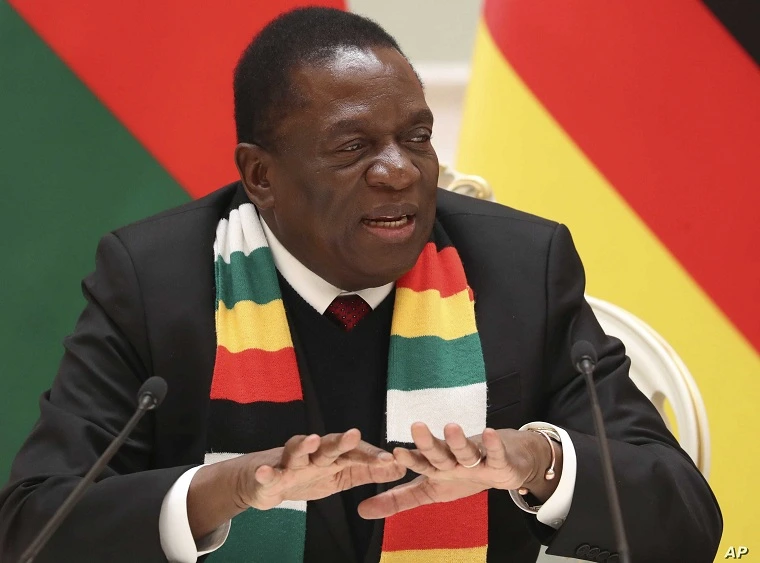
HARARE, Zimbabwe – Zimbabwe has rejected calls to expel an estimated 25,000 South Africans in response to mass returns and deportations of Zimbabwean citizens from South Africa, choosing restraint as Afrophobia strains relations across the region.
Justice, Legal and Parliamentary Affairs Minister Ziyambi Ziyambi announced the position in Parliament on Wednesday after Zaka South legislator Clemence Chiduwa raised diplomatic reciprocity. Chiduwa asked whether Harare should send South Africans home as Zimbabweans leave South Africa under pressure from anti-migrant protests and immigration enforcement. The Temporary Speaker initially ruled the question out of order, then allowed Ziyambi to answer.
“As Zimbabweans, we are friends with everyone,” Ziyambi said. “We do not have a policy of chasing away visitors.” His answer rejected collective punishment and placed Ubuntu above political anger.
The government also promised to accept South Africans with lawful papers and described them as brothers and sisters. Ziyambi recalled President Emmerson Mnangagwa’s earlier instruction for authorities to regularise long-term residents who held identity documents marked “alien.” The minister framed Zimbabwe as a country committed to belonging rather than ethnic retaliation.
The position deserves recognition. Expelling South Africans who live, work, invest, study, marry, or retire in Zimbabwe would punish people with no role in attacks across the Limpopo. A shop owner in Bulawayo did not organise a vigilante raid in Johannesburg. A farmer in Matabeleland did not order migrants from homes in Durban. A teacher in Harare did not create South Africa’s unemployment crisis.
Retaliation would repeat the injustice Zimbabwe condemns. Nationality would replace evidence. Fear would replace law. Families would lose homes and income because politicians wanted an emotional answer to another state’s failures.
Yet Harare must resist self-congratulation. Ubuntu offers moral direction, but returning citizens also need jobs, housing, healthcare, schooling, documents, food, and security. A welcome speech at Beitbridge means little when a family reaches home and finds the same economic hardship which drove migration.
Health and Child Care Minister Douglas Mombeshora told Parliament more than 99,000 returning Zimbabweans had passed through communicable disease screening at ports of entry. Health teams also identified people living with HIV, diabetes, hypertension, and other chronic conditions. A clinic at the Beitbridge Reception Centre supplies up to five days of medication before referrals to facilities in home districts.
The scale places pressure on a public health system already facing staff shortages, medicine gaps, weak transport, and uneven rural access. Authorities need patient records, referral links, medicine stocks, and follow-up systems. A missed treatment handover poses serious risks for people living with HIV or other long-term illnesses.
Zimbabwe launched its repatriation programme on 28/05/2026 after anti-immigration protests intensified in South Africa. Harare created an inter-ministerial task force and a 24-hour command centre at Beitbridge to receive, register, screen, feed, and transport returnees. United Nations agencies and private partners joined the operation.
South African tensions grew after anti-migrant groups announced an unofficial June 30 deadline for undocumented foreigners to leave. Protesters later entered homes and handed suspected migrants to police in parts of Johannesburg. President Cyril Ramaphosa condemned vigilantism, while security agencies arrested people linked to intimidation, violence, and unauthorised document checks.
South Africa had deported or assisted the return of more than 53,000 African migrants within roughly one month by July 13. Officials said Malawians formed more than 80 percent of the group, while Zimbabweans, Mozambicans, Nigerians, Ugandans, and Kenyans also returned. Some left voluntarily. Others faced deportation over immigration status.
Zimbabwe’s refusal to answer pain with pain gives Pretoria a lesson. Regional leadership requires protection for African lives, not speeches about unity during summits. South Africa asks neighbouring states to protect its companies and citizens. Pretoria owes the same duty to Zimbabweans, Malawians, Mozambicans, Nigerians, Congolese, Somalis, Ethiopians, and other Africans inside South Africa.
Legal immigration enforcement remains a state duty. Citizens have legitimate concerns about borders, crime, jobs, schools, clinics, and housing. Those concerns need data, policing, labour inspections, working documentation systems, and firm border management. Street groups must never decide who belongs.
Harare also carries responsibility for migration. Zimbabweans crossed into South Africa because domestic wages collapsed, formal jobs disappeared, public services weakened, and political trust declined. Government officials should not treat mass return as a foreign crisis only. The buses arriving at Beitbridge also deliver a verdict on Zimbabwe’s economy.
Ziyambi said returnees would receive transport to home areas and access vocational training, Empower Bank funding, Pfumvudza or Intwasa agricultural support, social welfare services, and livelihood programmes. Those promises now require public targets. Harare should publish how many people received transport, training, loans, land access, farming inputs, and medical referrals.
Without transparent delivery, reintegration will become another press statement. Returnees will face unemployment, debt, family pressure, and stigma. Some will attempt dangerous crossings back into South Africa. Others will enter informal work without protection.
Zimbabwe’s decision against expulsions protects regional stability. Tit-for-tat removals would inflame Afrophobia, damage tourism, disrupt investment, frighten mixed-nationality families, and weaken the Southern African Development Community. Such action would also give extremists across the region permission to target foreigners whenever diplomacy fails.
You should read Harare’s decision as a rejection of mob logic. No government should punish innocent residents for crimes committed elsewhere. Law must judge conduct, not passports.
Yet you should also demand more from both governments. Pretoria must stop vigilante raids, prosecute attackers, process immigration cases lawfully, and protect documented migrants. Harare must rebuild conditions which allow citizens to earn, raise families, and plan futures at home.
Ubuntu should guide policy, but jobs, competent institutions, and accountable leadership must support Ubuntu. Zimbabwe chose the right answer by refusing mass expulsions. The deeper test starts now. Returning citizens need a country worth returning to.