
KINSHASA, Democratic Republic of the Congo – The World Health Organization has kept the Democratic Republic of the Congo Ebola outbreak under its highest international health alert after experts concluded rapid transmission still poses a serious regional threat.
WHO Director-General Tedros Adhanom Ghebreyesus accepted advice from the International Health Regulations Emergency Committee after its second meeting on August 18. WHO published updated temporary recommendations on August 24 for the DRC, neighbouring states and governments worldwide. The agency placed the DRC in the top risk category used in the assessment, bordering states at high risk, and other countries at low risk.
The decision reflects an outbreak moving at exceptional speed. WHO said more than 5,200 confirmed cases had been recorded by the time the DRC passed 100 days since declaration of the outbreak. Ituri remains the epicentre, accounting for about 85 percent of cases and 79 percent of deaths. WHO recorded an average of around 90 confirmed cases a day during the first three months.
Tedros gave one of his strongest warnings on August 18. “We must be frank: the epidemic is far from being under control,” he told the emergency committee. He described the pace as “unprecedented speed” and said almost 5,000 infections and more than 2,300 deaths had already spread across six provinces and 55 health zones by then.
The outbreak involves Bundibugyo virus disease, a form of Ebola for which no approved vaccine or specific treatment exists. Clinical trials now test vaccine and treatment candidates. Tedros said two vaccines designed specifically against Bundibugyo virus had entered human trials, while another candidate showed cross-protection in animal studies.
WHO first declared the outbreak a Public Health Emergency of International Concern on 17/05/2026 after cases emerged in the DRC and Uganda. The DRC declared its 17th Ebola outbreak on 15/05/2026 after laboratories confirmed Bundibugyo virus in eight samples. Uganda also identified an imported case from the DRC.
Transmission later expanded across Ituri, North Kivu, South Kivu, Haut-Uélé, Tshopo and Bas-Uélé. By August 12, WHO had recorded 4,665 confirmed cases and 2,184 deaths inside the DRC. Another 20 cases had been recorded in Uganda and one in France. Uganda stopped transmission after its imported cases, while France reported no secondary spread after an infected traveller arrived in June.
The latest recommendations show growing concern over movement inside the DRC. WHO wants authorities to postpone mass gatherings in areas with ongoing community transmission, reduce crowding in restaurants, bars and nightclubs, establish safe school-opening measures and place round-the-clock health checkpoints on roads linking transmission zones with areas at high risk. The agency also wants surveillance on vessels moving along inland waterways toward major cities, including Kinshasa.
Those measures matter because conflict, displacement, mining routes, roads and rivers give the virus repeated opportunities to travel. Tedros told the committee insecurity and intense population movement were driving the spread. WHO has also recorded attacks on health facilities, while response teams face difficult access in parts of eastern DRC.
Neighbouring governments now face stronger preparedness demands. WHO lists Angola, Burundi, Central African Republic, Republic of Congo, Rwanda, South Sudan, Tanzania, Uganda and Zambia among states sharing land borders with the DRC. The agency wants those governments to identify high-risk border areas, strengthen surveillance, investigate unexplained deaths, prepare isolation facilities and improve cross-border contact tracing.
WHO does not recommend suspending flights or waterway routes from the DRC, and does not recommend denying entry to travellers arriving from affected areas. Instead, the agency urges targeted screening, fast reporting, contact tracing and travel information. This distinction matters for regional economies where families, traders and workers cross borders daily.
Inside the DRC, response capacity has grown sharply. WHO says laboratory capacity expanded from one testing site to 19 laboratories processing more than 3,000 samples daily. Treatment capacity rose from fewer than 10 beds to more than 1,300. More than 900 health facilities received infection prevention support. Contact follow-up improved from 9 percent during the first week to 84 percent by August 18.
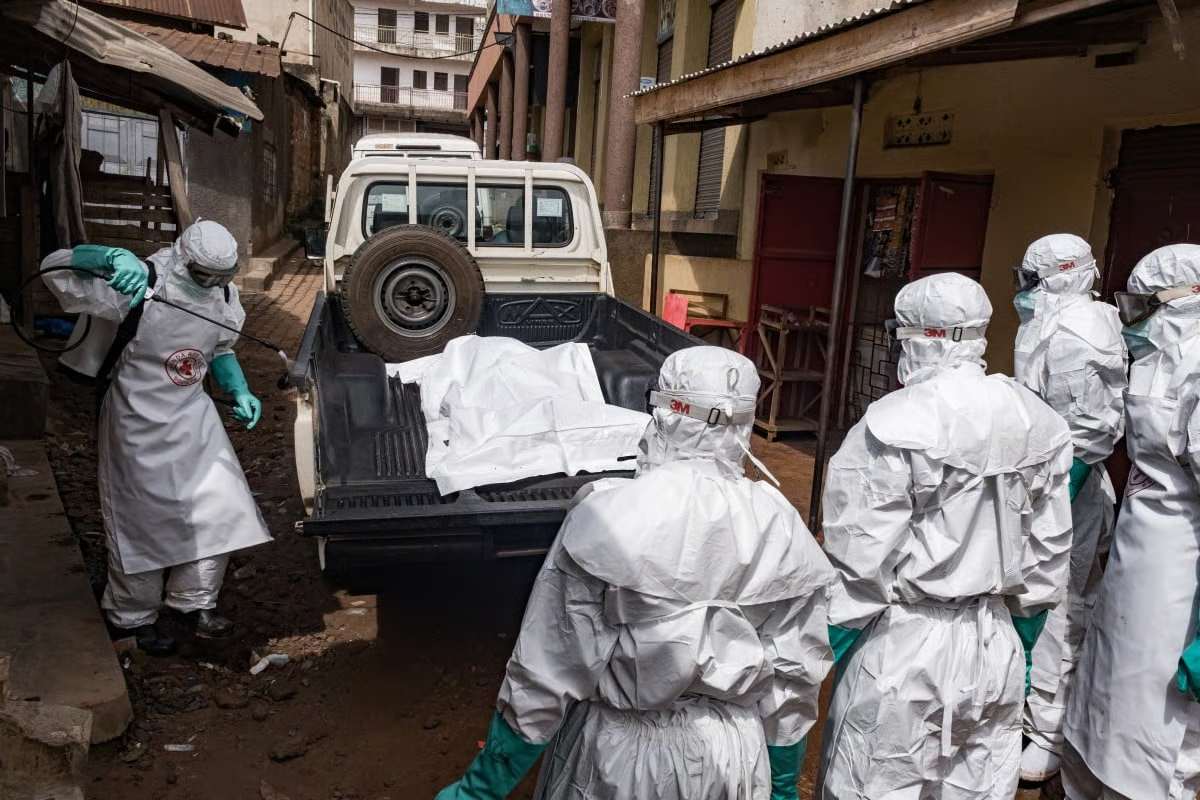
Those gains have not yet matched transmission. WHO said community deaths accounted for around 60 percent of 260 weekly fatalities recorded over the previous six weeks. Deaths outside treatment centres point to delayed diagnosis, weak referral systems and transmission chains escaping surveillance.
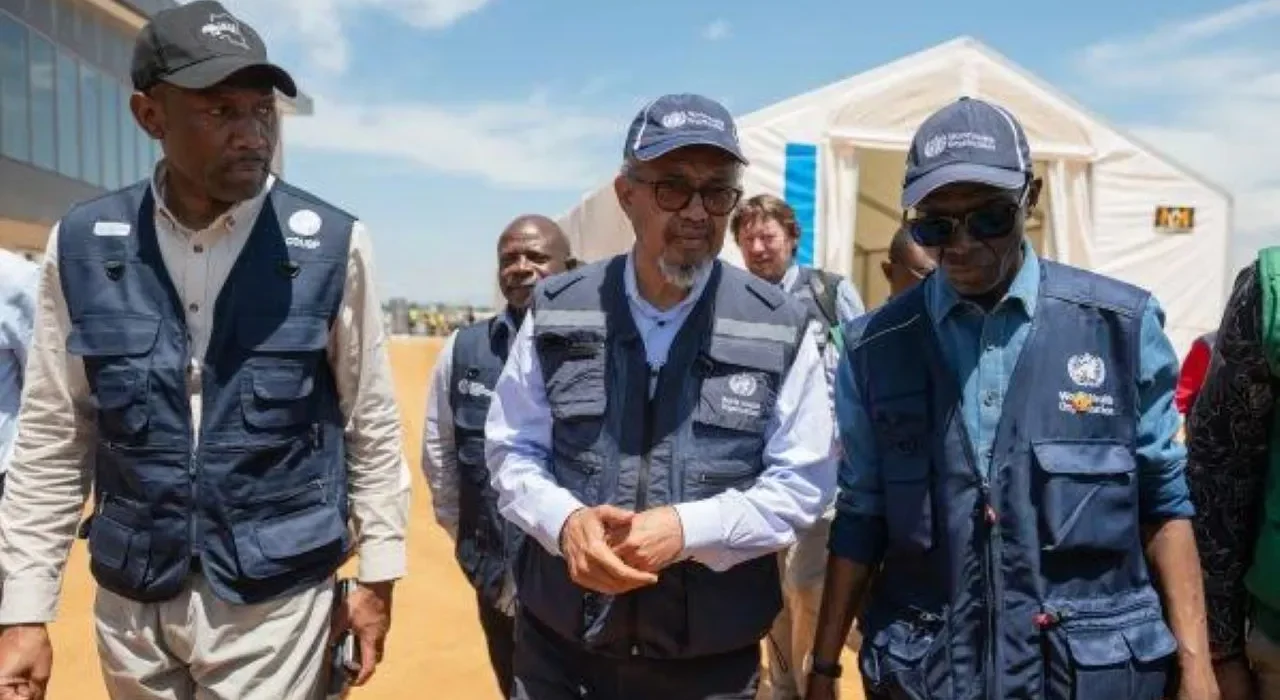
Dr Mohamed Janabi, WHO Regional Director for Africa, said the outbreak had reached a defining moment and called for faster detection, earlier community contact and stronger operations in areas with heavy transmission. WHO has deployed more than 260 experts and delivered over 330 tonnes of medical and operational supplies to support the response.
For people living in neighbouring countries, the emergency does not mean Ebola is spreading everywhere. WHO places the current risk outside the DRC border region at low. The alert means health systems need to find suspected cases quickly before local transmission starts.
If you live in or travel through affected areas, follow official public health guidance, avoid contact with bodily fluids from anyone with suspected infection, report symptoms early and follow instructions from local health authorities. WHO says people exposed to Bundibugyo virus should receive monitoring for 21 days, while confirmed cases require isolation and clinical care.
The next few weeks will test whether faster surveillance, safer burials, stronger treatment capacity and community cooperation reduce new infections. The DRC has extensive experience fighting Ebola, yet Bundibugyo presents a different challenge because approved vaccines and specific therapies are absent.
The emergency committee kept the international alert in place for a simple reason. The outbreak has grown faster than response teams have contained the virus. Regional governments now have time to strengthen borders and hospitals before imported infections create new chains of transmission. WHO wants regional authorities to use the remaining time.