

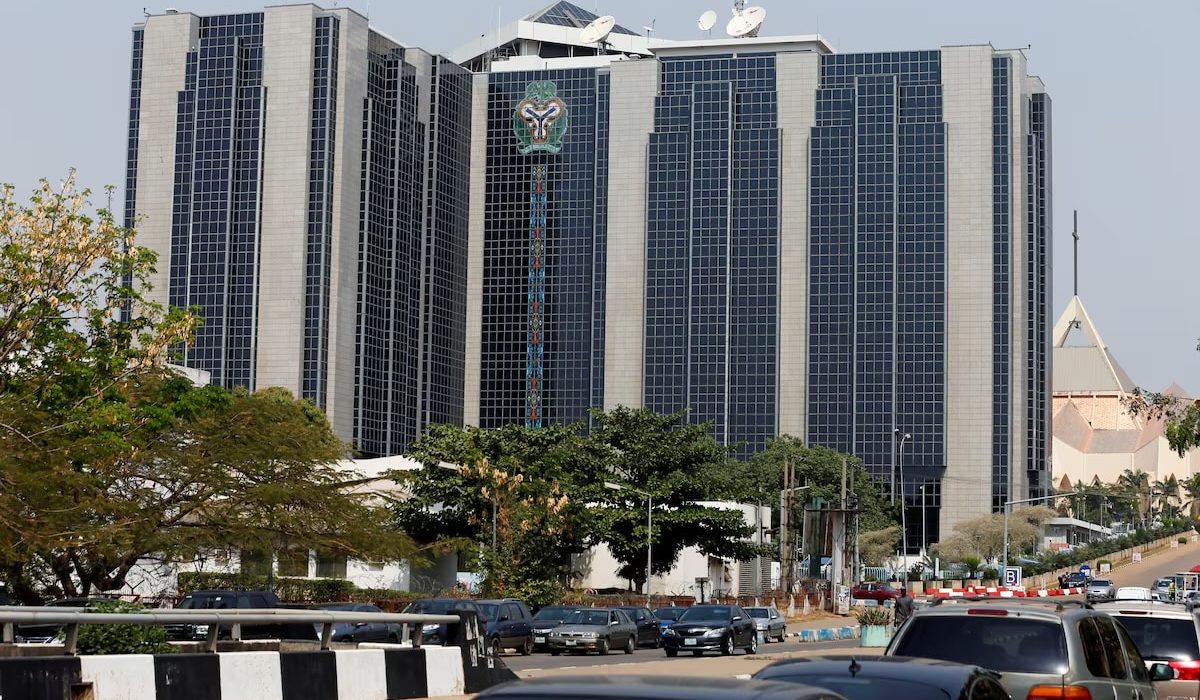
ABUJA, Nigeria – Nigeria’s Central Bank has pulled the operating licences of 46 microfinance banks, sending a blunt message to the country’s small-credit market: weak balance sheets, dormant licences, silent closures, and broken regulatory promises will no longer pass as banking.
The decision took effect on July 1, 2026, under Sections 12 and 13 of the Banks and Other Financial Institutions Act, 2020. The Central Bank of Nigeria said the affected lenders failed to meet the conditions required to continue operating as licensed financial institutions. The revocation was approved by CBN Governor Olayemi Cardoso, according to a statement signed by Acting Director of Corporate Communications, Hakama Sidi-Ali.
The affected institutions include Minji-Se Churchill Microfinance Bank in Rivers, Merchant Microfinance Bank in Abia, Janmaa Microfinance Bank in Kwara, Busu Microfinance Bank in Niger, Gold Microfinance Bank in Lagos, Now Now Digital Microfinance Bank in Kano, Crystabel Microfinance Bank in Bayelsa, Chanelle Microfinance Bank in Lagos, Abia SME Microfinance Bank in Abia, and Kamba Microfinance Bank in Kebbi.
This is more than a licensing action. This is a clean-up of the narrow bridge between Nigeria’s formal banking system and millions of ordinary citizens who depend on small loans, savings accounts, cooperative finance, market women’s credit, petty-trader overdrafts, and emergency cash.
Microfinance banks occupy a sensitive space. They serve people commercial banks often ignore. Their customers include traders, artisans, transport workers, farmers, students, widows, informal workers, and small shop owners. When a microfinance bank fails, the damage rarely stays inside boardrooms. It reaches school fees, rent, food stocks, market stalls, and family survival.
The CBN listed serious grounds for the revocations. They include insufficient assets to meet liabilities, closure of operations without approval, inactivity, cessation of financial intermediation, failure to start operations within 12 months of licence approval, and failure to maintain minimum capital funds unimpaired by losses.
Those reasons point to a wider rot in parts of the microfinance sector. Some lenders appeared too weak to cover obligations. Some went quiet. Some stopped performing the basic role of moving credit through the economy. Some held licences without turning them into functioning institutions. Others failed to protect the capital from erosion.
For depositors, the first concern is simple: where is the money?
The CBN said the action forms part of efforts to safeguard financial sector stability, protect depositors, and force compliance with existing laws and regulatory requirements. The regulator also said it would continue taking supervisory and regulatory action where needed to maintain public confidence in Nigeria’s financial system.
That assurance matters. Yet depositors will judge the clean-up by outcomes, not statements. They will want clear instructions, quick claims processing, and public communication from the relevant authorities. In previous closure cases, the Nigeria Deposit Insurance Corporation has played the role of liquidator and handled depositor reimbursement procedures after licence revocations. In this round, anxious customers will expect the same level of direction, speed, and visibility.
Cardoso’s CBN has shown a clear appetite for tighter discipline across Nigeria’s financial space. The bank previously revoked 4,173 Bureau De Change licences after operators failed to meet regulatory provisions, a move the CBN later described as part of tighter oversight of the foreign exchange market.
That wider pattern matters. Nigeria’s financial system has spent years battling pressure from inflation, currency volatility, fraud risks, weak compliance culture, and public distrust. Regulators now face a difficult balance. They must protect the system without choking access to finance. They must punish weak operators without punishing poor customers. They must restore confidence without creating panic.
The microfinance sector is too important for soft supervision. A lender handling the savings of low-income earners deserves the same scrutiny as any larger financial institution. Poor customers do not deserve poor regulation. Small deposits are still deposits. Small loans still carry risk. A weak community bank still has the power to destroy trust.
The problem is deeper than 46 licences. Nigeria needs microfinance banks strong enough to lend responsibly, disclose clearly, keep proper records, manage risk, and answer customers without intimidation. A licence should not be a decoration. It should be a public trust.
The shutdown also raises questions for state governments, local business groups, and digital finance operators. Some affected institutions used community, state, or digital models. As fintech and micro-lending continue to grow, regulators will face more pressure to separate genuine innovation from fragile balance sheets wrapped in modern branding.
Digital names do not replace capital. Apps do not replace governance. Fast onboarding does not replace compliance. A lender with weak controls remains dangerous, whether it operates from a branch, a phone screen, or a market kiosk.
For small businesses, the timing is painful. Credit is already expensive. Many traders face rising costs, weak consumer spending, and limited access to formal loans. When microfinance lenders leave the market, borrowers lose options. Some will return to informal money lenders who charge harsh rates and enforce repayment through pressure rather than regulation.
That is why enforcement must come with rebuilding. Nigeria does not only need fewer weak lenders. It needs stronger ones. The goal should be a microfinance market where depositors trust institutions, borrowers understand loan terms, and regulators detect failure before customers suffer.
The CBN’s action sends fear through weak operators. It should also send comfort to depositors if authorities handle the aftermath properly. A clean financial system depends on both discipline and protection. One without the other creates anger.
For now, the message from Abuja is direct. The era of sleeping licences, hollow capital, and silent institutional collapse is under attack. Nigeria’s small lenders have been warned. The country’s poorest customers will now watch to see whether the clean-up protects them, or leaves them standing outside closed doors with passbooks in their hands.