
TEHRAN, Iran, June 30, 2026
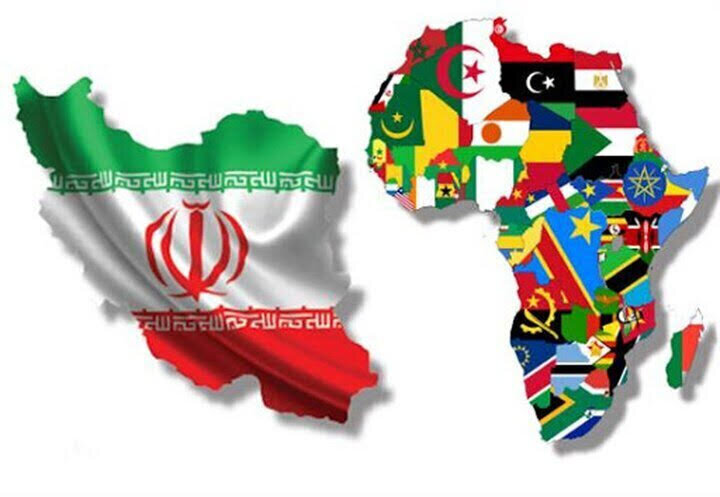
African producers stand to gain from Iran’s push to widen trade links with the continent, after the head of the Iran-East Africa Joint Chamber of Commerce said African countries are able to supply part of Iran’s import needs.
Masoud Berahman said Iran wants stronger trade, investment, and barter links with African states. He said the chamber has placed exports, imports, and joint investment high on its agenda for the current year, with a focus on countries with shared economic strengths.
Berahman said Iran needs livestock inputs, basic commodities, and raw materials. He said African countries have large supplies of many of these goods. In return, Iran seeks to export industrial goods, manufactured products, technical services, and other items needed across African markets.
The proposal points to a barter-style trade model. Under such an arrangement, African countries would ship selected goods to Iran, while Iranian companies would supply industrial products to African markets. Berahman said this approach would help Iran reduce dependence on traditional suppliers while deepening economic links with Africa.
The move comes as Iran raises its commercial focus on Africa. Iran’s total trade with 39 African countries reached about $940 million between March 21 and December 21, 2025, according to Trade Promotion Organization figures reported earlier this year. The figure marked a 66 percent rise from the same period a year earlier.
For Africa, the message is clear. Iran is looking for suppliers. African economies are looking for wider export markets. The opportunity sits in agriculture, livestock inputs, minerals, raw materials, food products, and selected industrial partnerships.
Iran already sees Africa as a growth market for its non-oil exports. Iranian goods sold to African countries include steel, bitumen, urea, cement, petrochemical products, industrial oils, and manufactured products. African exports to Iran include agricultural goods, coffee, tea, minerals, and other raw materials.
Berahman said diplomatic channels already exist to support this trade push. Iran has 24 active embassies on the continent, while 19 African countries have embassies in Iran. He said these diplomatic links provide a platform for coordination, trade planning, and shared economic targets.
The plan also fits into a wider shift in global trade. Many African countries want new buyers for agricultural products and minerals. Iran wants more stable supply chains for goods linked to food security, manufacturing, and industry. Direct African supply deals would give some exporters a fresh route into the Middle East.
The opportunity will not grow without work. Berahman listed financial transfer problems, weak logistics, and the lack of regular transport lines as key barriers. He called for direct flights, regular shipping routes, stronger trade guarantees, and more support from government institutions.
These challenges matter. Trade between Africa and Iran is still small compared with Africa’s trade with China, India, Turkey, Europe, and the Gulf. Transport costs remain high. Banking restrictions affect payment systems. Many African exporters also lack direct market information on Iranian demand, standards, pricing, and approved import channels.
Berahman pointed to China, India, and Turkey as examples of countries which expanded their African market presence through strong state support. He said Iran needs similar backing, including subsidies for exhibitions, business delegations, and trade missions.
African governments also need a clear strategy. Exporters should identify products Iran already imports at scale, then match those needs with reliable African supply. Farmers, miners, processors, chambers of commerce, and trade promotion agencies need updated market data before they commit resources.
Food and livestock inputs appear to offer the fastest route. Several African countries produce maize, soybeans, oilseeds, animal feed inputs, grains, coffee, tea, meat products, and horticultural goods. Some also supply minerals and raw materials used in industry. Iran’s demand for basic commodities gives African exporters room to negotiate structured supply agreements.
The private sector will play a central role. Berahman said the chamber wants to support medium-sized Iranian firms, not only large companies, as they enter African markets. He also said knowledge-based Iranian companies are part of the Africa agenda.
This matters for African partners. Small and medium businesses often need practical trade deals, not large political announcements. If Iran and African countries create working payment systems, shipping routes, and buyer networks, the new trade drive would reach exporters beyond major state-linked firms.
Iran has also discussed financing support for its Africa push. Berahman previously said the Export Guarantee Fund of Iran would back up to $3 billion of Iranian investments across Africa, while the National Development Fund would provide around €2 billion for startup and entrepreneurial projects linked to trade development.
For African countries, the best outcome would be balanced trade. Selling raw commodities alone would repeat old patterns. A stronger model would include processing, joint ventures, technology transfer, industrial inputs, and long-term contracts.