
HARARE, Zimbabwe – Zimbabwe is facing a child protection crisis which now reaches homes, hospitals, city pavements, WhatsApp groups, maternity wards, and police desks.
Recent cases point to one hard warning. Babies have become targets in places where families expect safety. A bedroom in Banket. A pavement outside a Gweru shop. A Bulawayo home reached through a social media trap. A major referral hospital in Harare where a grieving husband now demands DNA answers after his pregnant wife died.
No serious newsroom should claim one hidden syndicate without evidence. Police have not presented such a finding. Still, the pattern demands national attention. Parents face luring schemes. Strangers exploit trust. Families receive slow answers. Public fear spreads faster than official updates.
The Banket case shook Mashonaland West in June. Police opened investigations after a three-month-old baby disappeared from a house along Magamba Way. The Herald reported on June 10, 2026, police had intensified their search and appealed for information which might lead to the baby’s recovery and the arrest of the suspect.
The details matter because they show how vulnerable infants become when normal family routines meet deception. Reports from local outlets said the baby vanished from a home, leaving relatives and neighbours in panic. In such cases, minutes matter. CCTV footage, roadblocks, bus rank checks, clinic alerts, taxi alerts, and police coordination should begin fast. Every delay helps the person moving the child.
Bulawayo saw another chilling case in December 2025. Police investigated the kidnapping of a four-month-old baby girl in New Parklands after the mother was allegedly lured through a WhatsApp group offering free children’s clothes. The Zimbabwean reported police said the baby went missing on December 29, 2025.
ZimLive reported in more detail. The suspect allegedly messaged the mother at around 6 AM, then told her at about 1 PM to wait at the corner of Harare Road and Cecil Avenue to collect donated clothes. The mother left one of her twins asleep at home, while her four-year-old child played outside. When she returned, the baby was gone.
This case should disturb every parent using WhatsApp groups for donations, groceries, school items, jobs, rentals, clothes, or domestic work. Criminals no longer need to force doors. They study desperation. They offer help. They ask questions. They create trust. Then they strike at the weakest point.
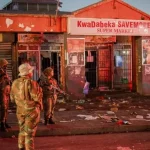
Gweru recorded another frightening incident in November 2025. ZimLive reported a two-month-old baby was kidnapped in the central business district after the mother briefly stepped away to buy bananas. The baby was reportedly with a six-year-old sibling when an unidentified person snatched the child.
Zimbabwe Now quoted Midlands police spokesperson Inspector Emmanuel Mahoko saying the baby was allegedly snatched at the Edgars Stores veranda in Gweru CBD on November 15 at about 1:40 PM.
That case carries a practical warning. No child should carry adult responsibility over an infant in a public place. This is not to blame on poor mothers. This is Zimbabwe’s daily economic reality. Mothers sell, buy, queue, hustle, and travel with children because childcare systems are weak. But criminals exploit seconds. A fruit purchase, a bus fare search, a shop counter, or a pavement conversation becomes enough time for a baby to vanish.
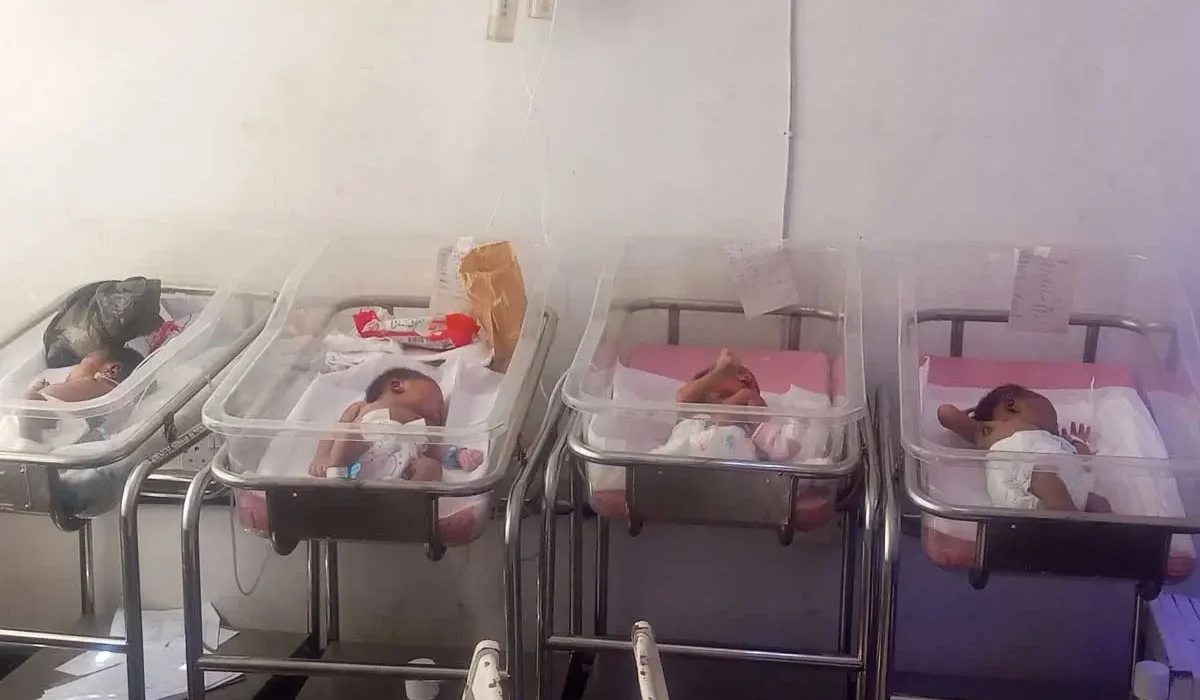
Then comes the Parirenyatwa case. It does not belong in the same category as street abductions unless police prove a criminal taking of the child. But it belongs in the same national conversation about trust, records, bodies, babies, and institutional accountability.
The Herald reported that Tawanda Sengu, 34, of Eastview, refused to accept a toddler’s body after his pregnant wife, Lizzy Katsiga, died during an operation at Parirenyatwa Hospital. Sengu said doctors had told him the baby died in the womb before his wife’s death, but the family later received confusing communication over the child’s remains.
Sengu told reporters: “We want DNA tests to prove that the baby is mine.” He said the family had taken the case to police. Harare provincial police spokesperson Inspector Luckmore Chakanza confirmed police were investigating a missing foetus case at a local hospital.
Those words deserve weight. A grieving husband should not fight for basic answers after losing a wife and child. Maternity hospitals handle life, death, blood, records, bodies, and trust. Any confusion over remains demands immediate documentation, independent DNA testing, a written timeline, names of responsible staff, mortuary records, theatre notes, and public accountability.
Parirenyatwa authorities were not available for comment in the cited reports. That gap deepens public suspicion. Silence does not calm grieving families. Silence feeds rumours, anger, and fear.
Zimbabwe already has child protection structures on paper. UNICEF Zimbabwe says its child protection work seeks to ensure children and young people are protected from violence, abuse, and exploitation, have births registered, and benefit from stronger prevention and response systems.
Save the Children sounded a wider alarm in February 2026. It said social media had revealed a sharp rise in cases of children being violated, beaten, burned, abducted or kidnapped, often by caregivers, relatives, community figures, or trusted adults.
That statement points to a deeper truth. The threat is not only the unknown stranger. Sometimes danger enters through trust. A relative. A neighbour. A church member. A donor. A Facebook contact. A WhatsApp admin. A woman pretending to help. A person who knows family routines.
The police response should now shift from case-by-case appeals to a national child safety protocol. Zimbabwe needs a missing child alert system sent through radio, mobile networks, bus operators, commuter omnibus ranks, border posts, clinics, pharmacies, churches, schools, and social media pages with verified police numbers.
Hospitals need tighter infant identification. Every birth, death, transfer, and remains handover should use barcoded records, signed chain-of-custody forms, photographs where lawful, and DNA preservation where a dispute arises. No family should receive a body or remains without clear documentation.
Communities also need action. Do not leave babies with young children in public places. Do not meet strangers alone for donations. Do not post routines, school routes, home addresses, birth notices, clinic visits, or child photos without caution. Verify charity offers through known local leaders, churches, clinics, or police. When someone offers free goods, ask why, where, and through whom.
Zimbabwe must protect its babies with more than panic after each disappearance. It needs prevention, technology, police speed, hospital accountability, and honest public communication.
A nation which fails to protect infants loses more than children. It loses trust in home, street, hospital, and state.