

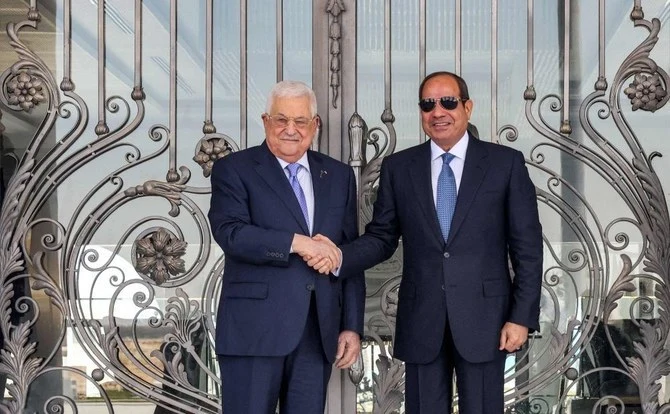
CAIRO, Egypt – Egyptian President Abdel Fattah el-Sisi has warned Israel and its allies. Lasting peace in the Middle East will remain out of reach while Israel’s occupation of Palestinian territory continues.
Sisi delivered the warning during the inauguration of Egypt’s State Strategic Command Headquarters in the New Administrative Capital east of Cairo. His message joined military power, national security, Gaza diplomacy, and Palestinian statehood in one speech. He said there would be “no lasting peace, no true stability, and no popular normalization” without ending occupation, restoring Palestinian rights, and creating a Palestinian state.
The timing matters. Egypt has legal relations with Israel. Egyptian society has never embraced Israel as a normal regional partner. Sisi drew a line between treaties signed by states and acceptance by ordinary people. His point was direct. Governments sign papers. People accept peace only after dignity, rights, and security reach real life.
Egypt speaks with weight because Cairo became the first Arab capital to reach a peace agreement with Israel. Sisi reminded his audience of this history and said Egypt’s experience gives Cairo a clear view of what works and what fails in regional diplomacy.
His warning also carried a second message for Washington, Tel Aviv, and Arab capitals seeking wider normalization. No state should expect Arab publics to accept Israel while Palestinians remain under occupation, Gaza remains ruined, and East Jerusalem remains central to a blocked national demand.
You should watch this sentence closely. Peace built above Palestinian loss will face public rejection. Sisi framed Palestine as a central security question, not a side file for diplomats. He tied regional calm to an independent Palestinian state with East Jerusalem as capital, under international resolutions.
This stance also protects Egypt’s own strategic interests. Cairo shares a border with Gaza. Each Israeli military move in the enclave affects Egyptian border policy, domestic security, aid diplomacy, and the risk of forced displacement toward Sinai. Egypt has spent years rejecting any plan to push Palestinians out of Gaza and into Egyptian territory.
At the G7 session in France last month, Sisi warned Israel against expanding control across Gaza. He said “Only 30 percent of the Strip is effectively left for the Palestinian people” and added, “must stop immediately.” This warning showed Egypt’s fear of a Gaza reduced to disconnected civilian zones under pressure from Israeli military control.
Egypt also remains one of the main mediators between Israel and Hamas. The Gaza ceasefire which began in October 2025 lowered the scale of open war, but violence has continued, reconstruction has stalled, and the next phase of talks has struggled over Hamas disarmament, Israeli withdrawal, future governance, and aid flows.
This is why Sisi’s speech sounded less like routine diplomacy and more like a warning from a frontline state. Cairo knows a failed Palestinian settlement does not stay inside Palestine. Such failure reaches ports, borders, fuel prices, food imports, refugee policy, Red Sea shipping, and public anger across Arab and African streets.
Sisi said Egypt has lost more than $10 billion in Suez Canal revenues because of attacks on shipping in the Bab el-Mandeb Strait, linked to the Gaza war and wider Red Sea insecurity. For Egypt, Palestine has become an economic issue as much as a moral and political one. Every disrupted ship route means less canal income, more pressure on foreign currency, and more pain for Egyptian families already facing inflation.
The speech also came inside a military ceremony. Egypt opened The Octagon, a large command headquarters designed to strengthen state coordination during war, crisis, and security threats. Sisi said the new command centre would support faster decisions, stronger intelligence work, secure communications, and tighter links between political and military leadership.
This setting gave the Palestine message extra force. Sisi did not speak from a peace conference table. He spoke from a command complex built for crisis management. The visual message was clear. Egypt wants peace, but Cairo also prepares for a region where agreements break, borders strain, and wars cross into economies.
The hard question now sits before Israel and its partners. Do they want diplomatic relations with Arab governments, or real acceptance across Arab societies? These are not the same goal. Elite agreements survive only while power protects them. Popular peace needs justice, sovereignty, movement, trade, family life, and a future people trust.
Israel will argue security comes first after the October 7, 2023 Hamas-led attacks. This argument carries weight among Israelis who lost relatives, homes, and a sense of safety. Any peace plan must address hostage trauma, militant attacks, rocket fire, tunnels, and armed groups in Gaza. Ignoring Israeli fear will not produce peace.
Yet Palestinian fear also demands action. Palestinians have faced military occupation, settlement expansion, blockade, displacement, checkpoints, mass death in Gaza, and daily uncertainty. Ignoring Palestinian rights will not produce peace either.
Sisi’s position gives Arab leaders a useful test. Stop treating normalization as a photo opportunity. Measure peace by life on the ground. Ask whether a Palestinian child moves freely to school. Ask whether families rebuild homes in Gaza. Ask whether West Bank land seizures end. Ask whether Jerusalem receives a fair political answer. Ask whether Israel receives security without denying Palestinian nationhood.
For Africa, this story matters beyond the Middle East. Egypt sits inside the African Union, controls a global shipping artery, and mediates conflicts which affect energy, migration, trade, and security across the continent. When Cairo warns of no lasting peace, African capitals should hear a warning about Red Sea trade, refugee pressure, food prices, and regional polarization.
The next diplomatic phase will test all sides. The United States, Egypt, Qatar, Turkey, Israel, Hamas, the Palestinian Authority, and Gulf states face one central choice. They must manage violence in phases, or they must address the root political conflict.
Sisi has now said the quiet part publicly. No ceremony, command centre, ceasefire statement, or diplomatic summit will deliver lasting Middle East peace while Palestinians remain without statehood and Israel remains an occupying power.