
CAIRO, Egypt – Egypt has opened The Octagon, a giant Strategic Command Headquarters in the New Administrative Capital, east of Cairo, and sent a direct message to Africa, the Middle East, Europe, and every actor watching Red Sea instability, Gaza, Sudan, Libya, and Eastern Mediterranean gas politics.
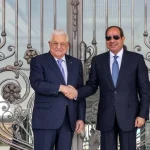
President Abdel Fattah El-Sisi inaugurated the headquarters on Saturday, July 4, 2026. Egypt’s State Information Service said Sisi, as Supreme Commander of the Armed Forces, arrived at the site, inspected the complex, signed the official charter, and raised the Armed Forces flag over the new command centre.
This was not a normal ribbon cutting. Egypt presented a new security capital inside a new political capital. The ceremony placed the army, presidency, crisis rooms, data systems, and national command networks inside one guarded geography. The symbolism was clear. Cairo wants faster command, tighter coordination, and stronger projection in a region where every border now carries risk.
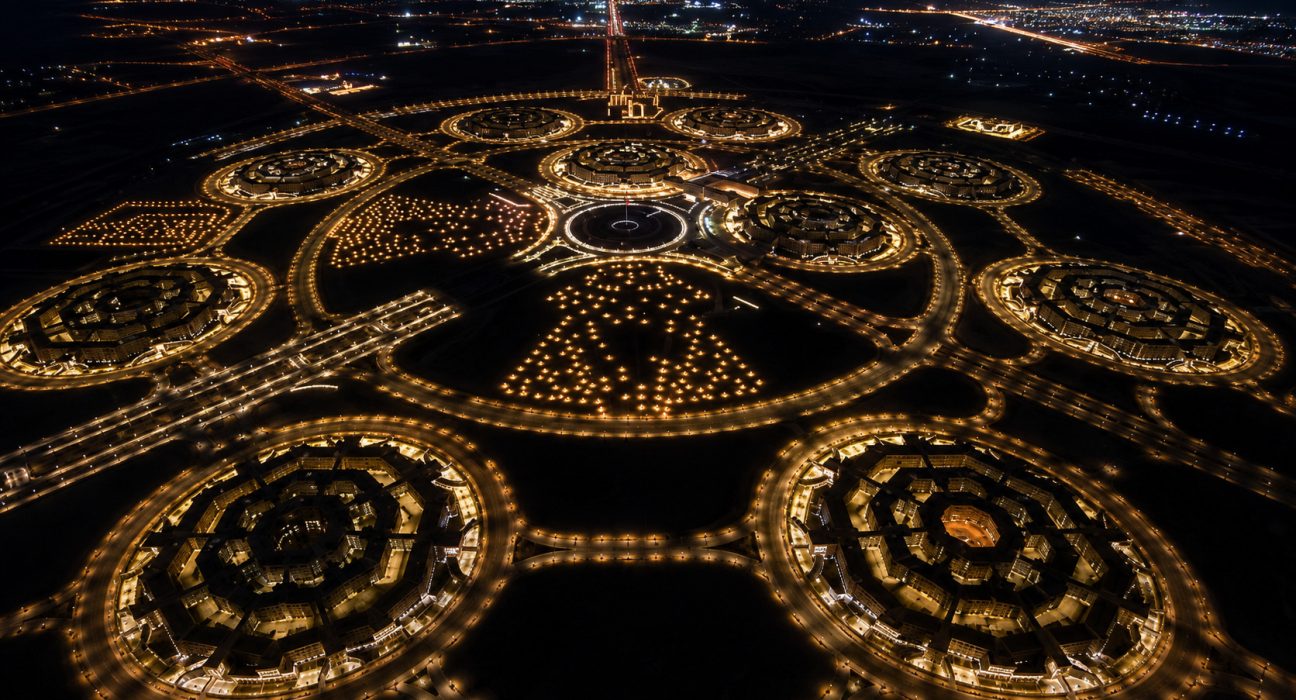
The Octagon’s design speaks before any speech begins. Official Egyptian material describes the site as a “strategic brain” for the state. The central complex has eight connected octagonal buildings linked to armed forces branches and sovereign departments, plus two central buildings reserved for political leadership.
Egyptian reporting says the wider headquarters includes 13 main areas and buildings. Other reports describe a vast defence complex spread across roughly 22,000 feddans, with strategic and logistical zones, a command and control core, crisis management capacity, and support facilities for military administration.
Sisi used the opening to project calm strength. “Egypt is committed to peace for those who want peace,” he said during the inauguration, according to The Jerusalem Post. The sentence matters because Egypt now sits beside active regional fires. Gaza bleeds at its border. Sudan burns to the south. Libya remains fractured to the west. The Red Sea threatens Suez Canal revenues.
This is why The Octagon matters beyond architecture. Egypt has built a central command site at a time when security threats move faster than ministries. A drone strike, border surge, cyberattack, canal disruption, or regional war no longer gives governments the luxury of slow coordination. Cairo wants one nerve centre for military branches, political leadership, strategic data, logistics, and emergency response.
For Africa, the opening marks a serious military signal. Egypt wants recognition as a continental security power, not a state trapped inside domestic economic problems. The new headquarters tells Addis Ababa, Khartoum, Tripoli, Ankara, Tehran, Tel Aviv, Washington, Moscow, Beijing, and Brussels one thing. Egypt still sees itself as a decisive power between Africa and the Middle East.
Yet the hard question sits beneath the ceremony. Who pays for state grandeur when citizens face debt, inflation, food pressure, and unemployment?
The New Administrative Capital has always carried two stories. The first story speaks of modern state capacity, less congestion in Cairo, new infrastructure, new ministries, and a planned city for a growing population. The second story speaks of debt, elite planning, military-led construction, and ordinary Egyptians who feel locked outside the dream.
Reuters reported in 2024 that Egypt prepared to spend billions expanding the new capital, 45 kilometres east of Cairo. The company overseeing the project was owned by the army and government. Reuters also reported criticism that the city diverts resources and increases Egypt’s debt burden, while officials argue the project supports development and handles population growth.
The economic context stays sharp. Reuters reported that Egypt’s New Administrative Capital carried a $58 billion price tag and became the largest of Sisi’s megaprojects. Critics linked such projects to economic pressure, saying they divert resources from urgent needs and add to debt.
This is the tension Cairo wants to control. A state needs security. A state also needs hospitals, classrooms, jobs, affordable bread, and public trust. A command centre strengthens national defence only if citizens believe national power serves them too.
Former presidential hopeful Ahmed Tantawy captured the democratic challenge after Sisi’s third-term speech. “We strongly demand transparency and frankness with the great Egyptian people,” he told Reuters. His words now fit The Octagon debate because megaprojects require public accounting, not only patriotic emotion.
Egypt also faces external pressure from lenders. The IMF said in June 2026 that a staff-level agreement with Egypt might unlock about $1.6 billion, with total disbursements under arrangements rising to about $7.2 billion after approval. The IMF urged tight monetary policy, exchange rate flexibility, spending discipline, and quicker state asset sales to support private sector growth.
This creates a contradiction you should not ignore. Egypt opens one of the world’s most ambitious military command complexes while negotiating reform, loans, asset sales, and fiscal restraint. The state projects strength from the desert. The economy still seeks relief from outside finance.
Supporters will argue that Egypt lives in a dangerous neighbourhood, and they have evidence. The Gaza war has tested Cairo’s diplomacy and border control. Sudan’s war has sent pressure north. Libya still poses arms, militia, and migration risks. Red Sea attacks have damaged Suez Canal income. Reuters reported that regional challenges cost Egypt about $7 billion in Suez Canal revenues in 2024, according to Sisi.
Critics will answer that no command headquarters solves weak transparency, shrinking civic space, or an economy where too many young people search for survival instead of opportunity. Human Rights Watch said in 2026 that Egyptian authorities continued to repress critics and human rights defenders, while civic space stayed severely restricted.
Both points belong in the same article. Egypt needs security. Egypt also needs accountability. A nation does not become stronger by choosing one and neglecting the other.
The Octagon now stands as Egypt’s newest state symbol. For the government, the complex signals readiness, unity, and regional weight. For citizens under pressure, the same complex raises a sharper demand. Show the benefit. Publish the costs. Prove the savings. Protect the public purse. Make national strength visible in daily life, not only in stone, steel, flags, and ceremony.
Egypt has opened a command headquarters for a harder age. The harder question begins now. Will The Octagon defend the nation, or will the new capital deepen the distance between state power and the people who fund it?