
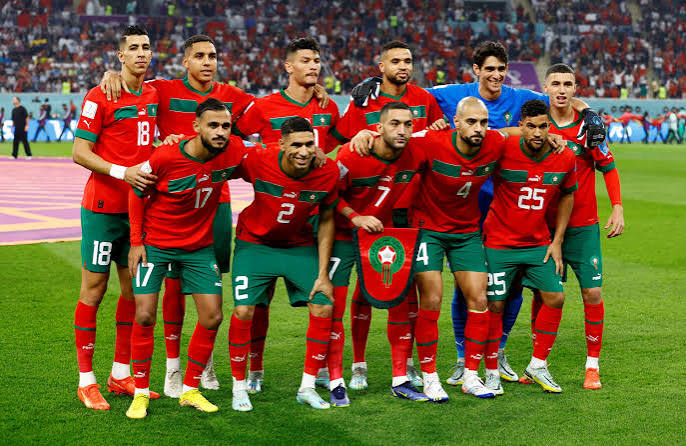
Morocco carried African hopes deeper into the 2026 FIFA World Cup after beating the Netherlands 3-2 on penalties following a 1-1 draw in a tense Round of 32 clash at Estadio Monterrey on Monday night.
The Atlas Lions showed calm, belief, and discipline to remove one of Europe’s strongest football nations from the tournament. The match went through 90 minutes, extra time, and a nervous penalty shootout before Morocco booked a place in the last 16, where they will face co-hosts Canada on July 4.
For Africa, the victory means more than a place in the next round. It keeps the continent’s World Cup dream alive after South Africa fell to Canada in the same knockout stage. Morocco now carry the weight of supporters from Rabat to Lagos, Accra, Harare, Nairobi, Cairo, Dakar, and Johannesburg.
The game started with heavy pressure from the Netherlands. Ronald Koeman’s side kept their shape and tried to control the tempo through wide movement and quick passing. Morocco stayed compact. They refused to panic. They waited for moments to attack through Achraf Hakimi, Azzedine Ounahi, Brahim Diaz, and Ismael Saibari.
The first half produced no goal, but it showed the pattern of the contest. The Netherlands had the ball for long spells. Morocco looked sharper in transition. Every Moroccan counterattack raised the noise inside the stadium. Every Dutch attack forced Morocco’s defence into a hard test.
Cody Gakpo finally broke the deadlock in the 72nd minute. His goal gave the Netherlands a 1-0 lead and placed Morocco under severe pressure. Reports said Gakpo’s celebration carried deep emotion after he and his partner had recently announced the loss of their unborn baby.
For many teams, that goal would have ended the fight. Morocco refused to accept defeat. Coach Mohamed Ouahbi pushed his players forward. The Atlas Lions increased the pressure and forced the Dutch defence to defend deeper.
The breakthrough came in stoppage time. Issa Diop rose high and headed Morocco level in the 91st minute after a delivery from the left. His goal changed the mood of the match. The Netherlands, seconds away from the last 16, now had to survive another 30 minutes.
Extra time brought fatigue, tension, and missed chances. Both teams searched for a winner, but neither found the final touch. Morocco continued to believe. The Netherlands looked unsure after losing control late in normal time.
Then came penalties.
The shootout tested nerve, not reputation. Morocco held firm. Goalkeeper Yassine Bounou produced a crucial save, and Ismael Saibari scored the decisive penalty to seal a 3-2 shootout win.
The final whistle triggered wild celebrations among Morocco’s players, staff, and supporters. The Atlas Lions had done it again on the World Cup stage. They had beaten a major European side under pressure. They had shown the same fighting spirit that carried them to the semi-finals in Qatar in 2022.
Morocco’s win also exposed the value of tournament discipline. They did not chase the match with panic after Gakpo scored. They stretched the Dutch back line, pressed second balls, and forced set-piece pressure late in the game. Hakimi kept pushing from the right, while Ounahi and Saibari gave Morocco energy between midfield and attack. Bounou’s presence gave the defenders confidence when the match moved into its most fragile moments. Every clearance, tackle, and recovery carried purpose. This control under stress separated Morocco from teams which collapse after falling behind in knockout football, especially against opponents with a deeper bench.
The result will also strengthen the argument for African football structures built on continuity instead of short bursts of talent. Morocco have invested in academies, coaching, women’s football, diaspora scouting, and modern training centres. Their federation has treated international success as a system, not a miracle. Other African nations watching this run should ask serious questions about planning, league standards, youth pathways, and administrative stability. Morocco’s victory over the Netherlands gives the continent a practical lesson. Big wins come when preparation meets courage, not when hope stands alone on matchday, under global pressure, against elite European sides, with history watching closely.
Ouahbi said Morocco had earned the world’s respect. He praised his players for their courage and said the team played with national pride and responsibility. He also said Morocco had shown strong belief from recent tournament success and now had the confidence to face any opponent.
This result also sends a message across African football. Morocco’s success did not happen by chance. It comes from investment, planning, youth development, confidence, and a clear football identity. Their players know how to suffer in big matches. They know how to stay alive when the game turns against them.
The Netherlands will see this as a painful failure. They had the lead. They had the experience. They had enough time to close the match. Instead, they allowed Morocco back into the contest and then lost the mental battle from the penalty spot.
For Africa, the night gave the World Cup a new emotional centre. Morocco are no longer underdogs looking for respect. They are now a serious knockout team with a clear belief in their own strength.
Their next test against Canada will be difficult. Canada already ended South Africa’s tournament with a 1-0 win and will play with home-continent energy. Morocco will need the same discipline, the same courage, and better finishing in open play.
Still, the victory over the Netherlands gives African supporters a reason to believe. Morocco have shown that African teams belong in the final stages of global football. They have shown that pressure, penalties, and European names do not decide destiny.
The Atlas Lions now move forward carrying their flag, their fans, and a wider African hope. One more win would put them closer to another historic World Cup run.