


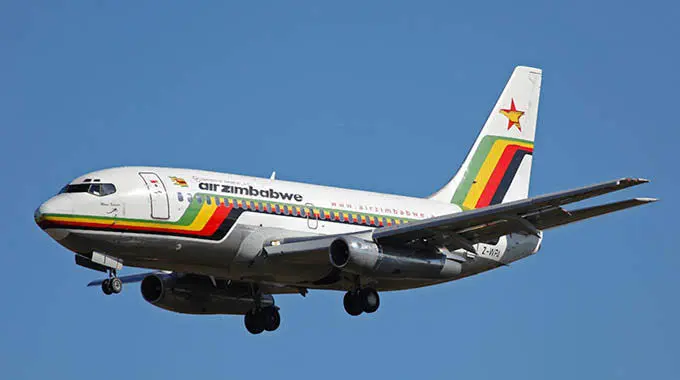
HARARE, Zimbabwe – Air Zimbabwe will restart nonstop passenger flights between Harare and London Gatwick on July 22, restoring a direct bridge between Zimbabwe and the United Kingdom after more than 14 years.
The route arrives during one of aviation’s hardest financial periods since the pandemic. Fuel prices have surged. Airline profit forecasts have fallen. Carriers have reduced expansion plans, reviewed weaker routes, and raised fares. Against such pressure, Air Zimbabwe has chosen a long-haul return with strong commercial, national, and continental significance.
“Air Zimbabwe is pleased to announce the resumption of its direct scheduled passenger services between Harare and London Gatwick, effective 22 July 2026,” the airline said. The carrier will operate three weekly services in each direction. Harare departures will run on Sundays, Wednesdays, and Fridays. Gatwick departures will run on Mondays, Thursdays, and Saturdays.
A 302-seat Airbus A330-300 will serve the route. The cabin will offer 30 business-class seats and 272 economy seats. Spanish airline Plus Ultra Líneas Aéreas will provide the aircraft, crew, maintenance, and insurance through an ACMI agreement. Air Zimbabwe will control ticket sales, passenger service, and commercial management.
The arrangement gives Air Zimbabwe immediate access to a compliant long-haul aircraft without buying a new wide-body jet. Such speed matters. Yet the structure also creates a hard test. The national carrier must earn enough revenue to cover lease payments, airport charges, fuel, handling, marketing, and customer support while protecting affordable fares.
Promotional fares start near US$495 or £490. Air Zimbabwe also advertises two checked bags of 23 kilograms each. Such terms target Zimbabwe’s large United Kingdom diaspora, families carrying gifts, business travellers, students, tourists, and traders.
The timing carries risk. The International Air Transport Association forecasts global airline passenger growth of 2.1 percent in 2026, down from 5.3 percent in 2025. IATA also cut its global airline profit forecast to US$23 billion, roughly half the estimated US$45 billion earned during 2025. IATA expects jet fuel prices to average US$152 per barrel, almost 70 percent above the 2025 average.
“Airlines are bearing the brunt of the fuel price shock,” IATA Director General Willie Walsh said. Fuel now represents about 31.4 percent of global airline operating expenses, up from 25.4 percent in 2025. Higher fares will recover part of the increase, while airline margins will absorb the rest.
African carriers face deeper exposure. Many buy fuel at higher prices than airlines in larger markets. They also carry heavier taxes, airport charges, weak currencies, limited hedging options, and thinner route networks. IATA expects African airlines to record only about US$100 million in net profit during 2026. Such returns leave little room for delays, empty seats, sudden maintenance bills, or weak revenue collection.
Air Zimbabwe’s London return therefore deserves celebration without blind applause. A launch ceremony will attract cameras. Sustained operations will require discipline. The true milestone will arrive after twelve months of reliable flights, paid suppliers, strong load factors, fast refunds, clean cabins, working booking systems, and honest communication during disruptions.
Zimbabweans remember earlier promises. Officials first targeted June 2026. Reports later pointed toward July 1. The airline moved the launch to July 22. Such changes weakened public confidence before ticket sales gained momentum. The new date must hold.
The direct service offers clear passenger value. Travellers currently connect through Johannesburg, Addis Ababa, Nairobi, Doha, Dubai, or other hubs. Each connection adds waiting time, baggage risk, airport spending, visa concerns, and missed-flight exposure. A nonstop link gives passengers a simpler journey between family homes, workplaces, universities, and businesses.
Tourism also stands to gain. Zimbabwe welcomed about 1.78 million tourists during 2025, with African visitors providing most arrivals. Britain ranks among Zimbabwe’s leading European source markets. A direct Gatwick service places Harare within one overnight journey and gives British travellers easier access to Victoria Falls, Hwange, Great Zimbabwe, Mana Pools, and regional circuits.
The route also supports trade. Zimbabwe once used direct London flights to move fresh horticultural produce into British markets within a day of harvest. Flowers, berries, vegetables, and other time-sensitive exports lose value during long connections. Reliable belly cargo on the A330 offers exporters a faster path, provided Air Zimbabwe publishes competitive cargo rates and protects cold-chain handling.
Gatwick gains another direct African capital. London gains stronger access to southern Africa. Zimbabwe gains a route with diaspora, tourism, investment, and export value. Africa also gains a rare long-haul service carrying an African flag rather than surrendering all traffic to foreign hubs.
Yet national pride must never hide weak economics. Government support should come with published performance targets. Air Zimbabwe should disclose passenger numbers, average load factors, cargo tonnage, punctuality, cancellations, refunds, lease costs, and route revenue. Taxpayers deserve evidence showing whether the service creates value or consumes public money.
The airline also needs strong international distribution. Travelport has signed a multi-year agreement which places Air Zimbabwe content before travel agents and corporate booking systems worldwide. Such access matters because diaspora passengers often book through agencies, online platforms, and connecting itineraries rather than airline offices.
You should welcome the route, then demand reliability. Buy tickets through authorised channels. Confirm baggage rules before travel. Check schedule changes directly with the airline. Keep written records for payments and refunds. Businesses should seek cargo terms early rather than assuming passenger flights will automatically solve export delays.
Air Zimbabwe has secured a valuable opening during a difficult aviation year. The airline now faces a simple test. Will management turn national excitement into a dependable commercial service?
July 22 will mark the return. Every flight after launch will decide whether the route becomes a lasting African success or another expensive announcement.