
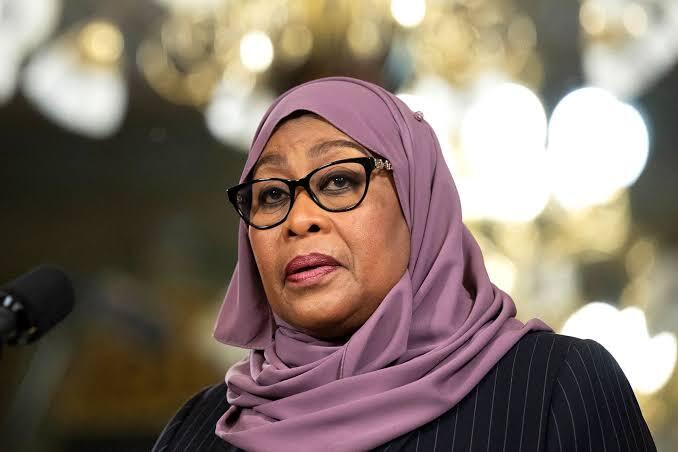
DAR ES SALAAM, Tanzania – Tanzania’s government has banned political rallies less than two weeks before youth-led protests planned for July 7, placing President Samia Suluhu Hassan at the centre of a democracy test she once seemed ready to pass.
Interior Minister Patrobas Katambi announced the ban on June 26 and directed Police Inspector General Camillus Wambura to stop issuing permits for political activities across the country. The order came ahead of planned demonstrations against the disputed 2025 election, the detention of opposition leader Tundu Lissu, and calls for a new constitution.
The move marks a sharp political turn. In January 2023, Samia lifted a six-and-a-half-year ban on political rallies imposed under her predecessor, John Magufuli. At the time, she told leaders of registered political parties in Dar es Salaam political parties had the right to hold rallies, while also carrying responsibilities.
Three years later, the same country faces a familiar question. Was the opening real reform, or a controlled pause before old habits returned?
Tanzania’s planned July 7 protests are youth-led and organised largely through social media. The protesters are demanding democratic reforms, justice for victims of election violence, and broader political freedoms. Authorities have already arrested people linked to the protest organisers.
For many young Tanzanians, July 7 is not only about one protest. It is about the cost of silence in a political system dominated by Chama Cha Mapinduzi, the ruling party which has held power since independence. It is about whether the ballot still belongs to citizens, or to institutions built to manage them.
The anger did not start last week. It grew from the 2025 general election, which President Samia won by a huge margin after the main opposition boycotted the vote and another major opposition candidate was barred from running. AP reported the election was followed by Tanzania’s first postelection protests, while the youth movement behind the July 7 action is also demanding the release of Tundu Lissu, who faces treason charges after calling for reforms before the election.
This is the political wound Samia now faces. She entered office in 2021 after Magufuli’s death with a softer image, calmer language, and a promise of repair. She reopened some civic space. She eased some media pressure. She allowed opposition rallies again. Opposition figures returned from exile. Investors and foreign partners saw a different tone from Dar es Salaam.
But reform is not measured by tone alone. It is measured when power feels pressure.
The new rally ban suggests the state sees public assembly as a threat rather than a constitutional right. Opposition groups and legal voices have condemned the ban as unconstitutional and politically driven. Chadema, ACT Wazalendo, and the Tanzania Law Society have weighed legal options, including domestic and international action, according to AP.
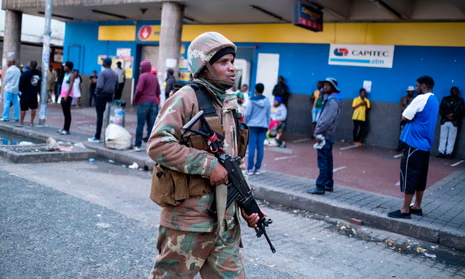
The government says security concerns are behind the restriction. Africanews reported military personnel and police have been deployed in Dar es Salaam and other major cities ahead of the planned protests. The report said the ban was announced after authorities cited security threats, without giving a public end date.
Security matters. No responsible state ignores the risk of violence. But a government weakens its own case when security becomes a blanket answer to political dissent. The state has police. It has courts. It has intelligence services. It has laws. A full ban on political rallies sends another message. It says the government fears the crowd more than the crime.
The death toll from last year’s election violence still hangs over the country. The Financial Times reported in May a presidential commission found at least 518 people died during election violence. Opposition party Chadema and rights groups argued the true figure exceeded 1,000, while critics called the inquiry a whitewash.
Families who lost relatives want answers. Young people want names. Opposition supporters want accountability. Ordinary citizens want proof the state values life beyond official reports and presidential speeches.
This is why the July 7 protests matter. They speak to grief, fear, and political exclusion. They also expose a generational shift. African youth are no longer waiting for party elders to define political courage. From Kenya to Nigeria, Senegal to Uganda, young people have used phones, street pressure, court action, and civic networks to challenge governments. Tanzania is now meeting the same force.
The risk for Samia is serious. She built part of her image on reversing the Magufuli-era repression. If she now blocks rallies, floods cities with security forces, arrests organisers, and leaves Lissu in detention, her reform record will shrink into a campaign memory.
The opposition also faces a test. It must give the youth movement discipline, clarity, and protection from violence. If protests turn chaotic, the state will use disorder to justify more restrictions. If opposition leaders turn the anger into personal rivalry, the public will lose trust again.
Tanzania needs a political exit from this pressure. The first step is simple. Allow peaceful assembly. Set clear rules. Publish security concerns instead of hiding behind vague warnings. Release non-violent political detainees. Open a credible constitutional reform process. Investigate election deaths through an independent body trusted by victims, not only by officials.
The ruling party should understand one lesson from across Africa. Fear buys time, not legitimacy. A blocked rally returns as a louder grievance. A detained leader turns into a symbol. A banned protest moves from the street to the mind of the voter.
Samia once opened the door and asked the country to believe change had arrived. Now her government is closing public space before young citizens step into it.
On July 7, Tanzania will not only face protesters. It will face its own promise.