

GABORONE, Botswana – Botswana has issued a fresh warning after receiving reports of citizens lured abroad through false employment offers and later forced into combat linked to Russia’s war against Ukraine.
The Ministry of International Relations said the number of Batswana drawn into such arrangements was rising at an “alarming rate.” Officials also reported distress calls from citizens already near the front line, where recruits described dangerous conditions and little control over their movement. The ministry urged every applicant to verify foreign work offers before travelling.
The warning points to a recruitment system built around economic need, social media advertising, private agents, vague contracts, and promises of rapid income. Offers often present themselves as security work, bodyguard training, self-development programmes, driving jobs, construction work, or short military courses. Recruits travel believing they will receive civilian work. Some later report pressure to sign Russian-language contracts before transfer to military units.
Botswana first raised public concern in December 2025 after reports involving two men aged 19 and 20. Authorities said the pair believed they would attend a short military training programme in Russia. Reports later placed them in active combat zones. Government began diplomatic and law-enforcement work to establish their location, condition, and possible return.
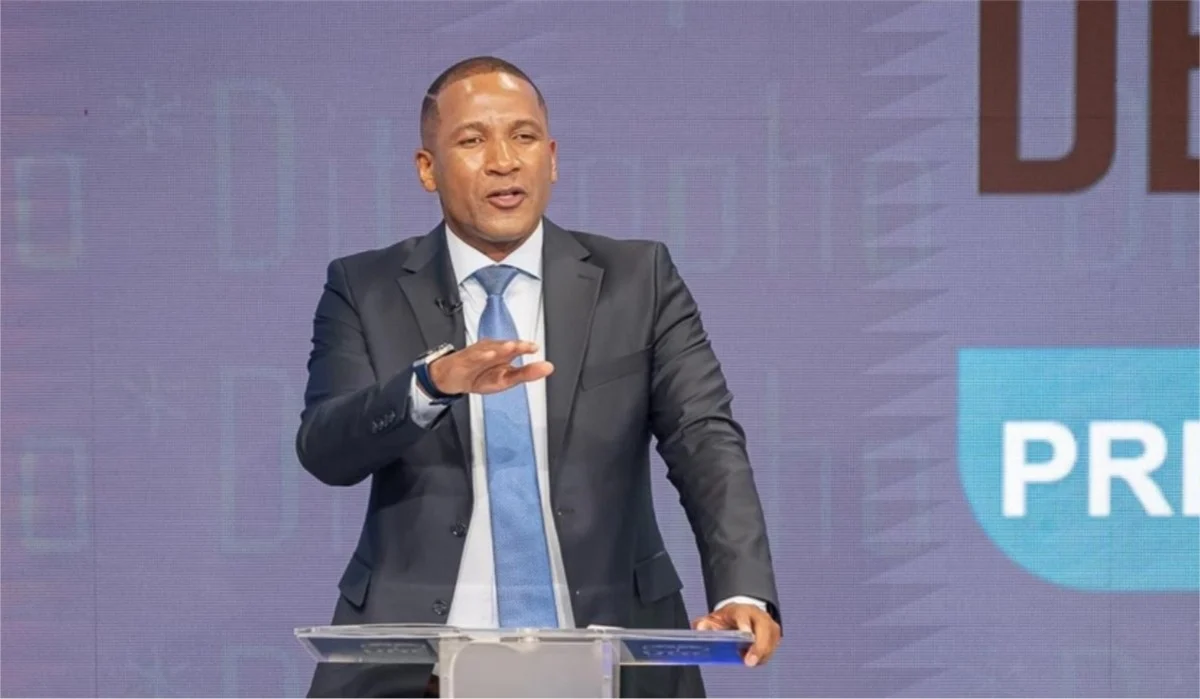
By March 2026, International Relations Minister Phenyo Butale said officials had received reports involving about 16 Batswana. Four had travelled to Russia. Botswana helped one person return before frontline deployment, while authorities had not confirmed the location and condition of three others. Butale warned citizens against offers linked to security work, bodyguard duties, or military training abroad.
The latest statement suggests the problem has grown since those early cases. Government did not release a new total, which leaves families and the public without a clear national count. Botswana should publish verified numbers covering reported approaches, departures, confirmed combat deployment, returns, injuries, deaths, and unresolved cases.
This is not a Botswana problem alone. Kenya, Ghana, South Africa, Zimbabwe, Nigeria, Cameroon, and other African states have reported citizens drawn into Russian military networks through misleading civilian job offers. Reuters reported more than 1,000 Kenyans had been recruited, based on a Kenyan intelligence assessment. Ghana said more than 50 of its citizens had died. An investigation by Geneva-based organisation Inpact verified lists containing 1,417 African recruits. Russian authorities have denied illegal recruitment of Africans.
Zimbabwe announced 15 citizen deaths in March after fraudulent agencies used social media to advertise attractive salaries and safe work. Officials said victims lost travel documents, received little training, and entered active combat. Harare was seeking the return of 66 survivors.
South Africa also received distress calls from 17 men who said they travelled for elite bodyguard training before signing contracts written in Russian and entering the war. Recruits described trench digging, food shortages, shelling, seized phones, and fear for their lives. South African police opened an investigation into the recruitment network.
These accounts show why checking a company name on social media is insufficient. Fraudulent recruiters use professional websites, branded documents, video calls, travel agents, testimonials, and photographs from airports or training centres. A signed contract also offers weak protection when an applicant does not understand the language or receives a different role after arrival.
Every foreign job applicant should confirm the employer through Botswana’s Ministry of International Relations, the destination country’s embassy, and recognised labour authorities. Applicants should request a written job description, physical work address, salary schedule, visa category, accommodation terms, insurance details, return-ticket arrangement, and named supervisor.
No applicant should surrender a passport to a recruiter. No person should sign a contract written in an unfamiliar language without an independent translation. Families should retain passport copies, contracts, telephone numbers, travel routes, agency details, and daily contact plans before departure.
Banks and mobile-money providers should flag recruiters collecting large placement fees from multiple young applicants. Airlines and border officers should receive alerts concerning known agencies, suspicious group travel, and travellers holding visas inconsistent with promised work. Police should investigate local agents before victims leave Botswana, not after families receive calls from a battlefield.
Government also needs a public verification portal. Citizens should enter an agency name, company registration number, destination, and job category to check whether officials have verified the offer. A national hotline should accept reports from applicants, relatives, banks, airlines, and former recruits.
Botswana’s universities, brigades, churches, youth groups, and district councils should spread the warning. Recruiters target unemployed young people because foreign salaries appear life-changing. Lectures about personal responsibility will fail when families face unemployment, debt, and limited opportunities.
The deeper defence therefore starts at home. Botswana needs more apprenticeships, industrial jobs, construction work, agricultural processing, digital employment, tourism careers, and support for small businesses. A young person with credible prospects at home faces less pressure to accept an unknown contract abroad.
African governments also need collective action. The African Union and regional blocs should establish a shared database of suspected recruiters, missing citizens, detained recruits, confirmed deaths, and repatriation requests. Governments should press Russia for transparent information on every African serving under military contract, including recruitment method, legal status, unit, location, pay, injuries, and right to leave.
Diplomatic friendship must not silence governments when citizens face exploitation. African states maintain relationships with Russia for trade, education, security, energy, and political cooperation. Those relationships should support direct negotiations, access to detained or deployed citizens, and prosecution of fraudulent agents.
Botswana’s warning arrives before more families receive calls from trenches. Citizens should treat any overseas security, military, bodyguard, or unusually high-paying offer with suspicion until several independent authorities confirm every detail.
A foreign job should lead to lawful work, wages, and safe return. No employment advertisement should become a one-way route from Gaborone to a battlefield.