
RABAT, Morocco – The European Parliament has approved Croatia’s formal inclusion in the Euro-Mediterranean Aviation Agreement between the European Union and Morocco, strengthening the legal framework behind one of Africa’s deepest aviation partnerships with Europe.
Lawmakers gave consent on July 8, 2026. The protocol updates the agreement after Croatia joined the European Union in 2013. EU records still list the procedure as awaiting a final Council decision, so Parliament’s vote advances the process without closing every legal step.
The protocol does not create a new aviation pact from zero. Morocco and the EU signed their wider agreement in 2006. Full entry into force followed in 2018. The existing framework permits EU and Moroccan airlines to operate direct services between airports across both markets. The system also covers competition, passenger rights, economic regulation, air traffic management, social standards, and safety cooperation.
Croatia’s inclusion removes an old legal gap. Airlines based in Croatia and Morocco now gain clearer treatment under the same framework used across the wider EU market. The change supports equal market access and simplifies regulatory cooperation. No clause forces an airline to launch Zagreb-Casablanca, Dubrovnik-Marrakech, or another route. Carriers will study demand, fares, aircraft availability, airport charges, seasonal traffic, and expected profit before opening services.
This difference matters. Governments often announce aviation agreements as though new flights will begin immediately. Route rights create an opportunity. Airlines still need a commercial reason. Croatia’s tourism market, Morocco’s growing visitor economy, business links, diaspora travel, and connecting traffic through Casablanca offer a foundation. Sustained passenger demand will decide whether a direct route follows.
The decision also fits Morocco’s wider economic strategy. Rabat has spent years building export industries near European supply chains. Automotive factories around Tangier and Kenitra produce vehicles, wiring, batteries, interiors, metal parts, and other components for global companies. Aerospace clusters around Casablanca manufacture aircraft parts, engine components, electrical systems, composite materials, and cabin equipment.
Foreign manufacturers value Morocco’s location, ports, industrial zones, trade agreements, workforce training, and access to Europe. Morocco also offers foreign investors a convertibility regime for income and liquidation proceeds when investors bring funds in foreign currency. Such rules reduce fears over trapped profits and strengthen the country’s appeal as a production base.
Renewable energy adds another layer. Morocco and France have started seeking commercial options for a direct electricity link aimed at renewable power exports. Morocco and Portugal also plan to seek European Union support and private investment for another interconnector. These projects remain at an early stage, yet both show Morocco positioning itself between African energy resources and European demand.
Air connectivity supports each sector. Engineers, buyers, executives, tourists, cargo managers, and suppliers need reliable links. More legal certainty reduces administrative friction and helps airlines plan schedules across a larger common market. Better aviation access also supports conferences, factories, hotels, universities, logistics groups, and small tourism businesses.
The 2030 FIFA World Cup adds urgency. Morocco will co-host the tournament with Spain and Portugal. Government plans cover airports, railways, roads, stadiums, hotels, and urban transport. Tourism Minister Fatim-Zahra Ammor said Morocco sees the 2030 FIFA World Cup as an accelerator rather than a final destination.
Morocco plans more than 190 billion dirhams, around US$20 billion, in transport, stadium, airport, and urban infrastructure before the tournament. Authorities also plan 60,000 extra hotel beds, equal to about one fifth of existing capacity. The country welcomed nearly 20 million visitors in 2025 and targets 26 million by 2030.
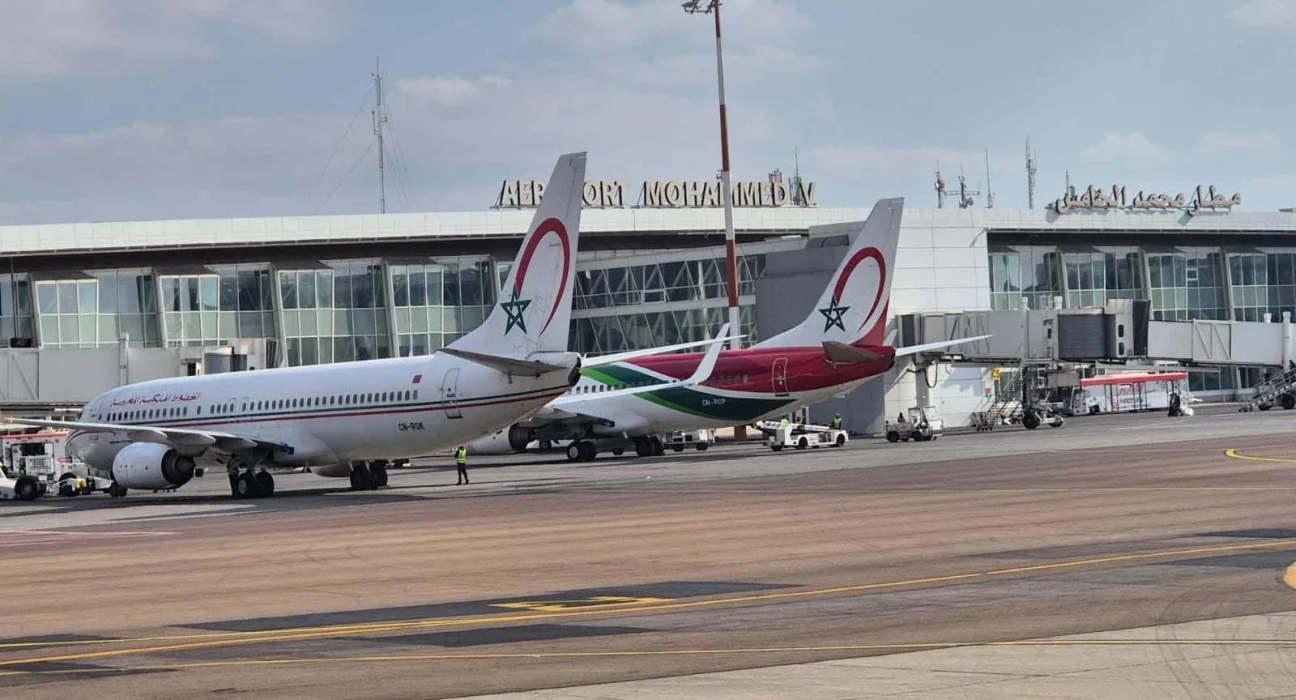
Casablanca’s Mohammed V airport sits at the centre of this programme. Expansion plans seek to raise passenger capacity from 14 million to 35 million by 2029 while strengthening connections between Africa, Europe, Asia, and the Americas. Royal Air Maroc also needs larger fleets, stronger punctuality, better transfer systems, and competitive fares if Casablanca wants to rival established hubs.
The Croatia protocol offers a modest piece of this larger plan. One additional EU state will not transform Morocco’s economy. The decision still carries strategic meaning. Morocco wants broad access across Europe rather than dependence on a few traditional markets. Croatia gives Moroccan tourism another European source market and offers Balkan travellers easier access to North Africa.
Croatian airlines also gain an opening into Morocco’s tourism network. Direct services would give travellers alternatives to connecting through Frankfurt, Paris, Istanbul, Madrid, or Rome. Tour operators might package Atlantic beaches, Marrakech, desert destinations, heritage cities, and World Cup travel. Cargo opportunities remain smaller, though high-value goods, aircraft parts, electronics, and time-sensitive products might support selected services.
Competition should benefit passengers, but regulators must protect consumers. Open markets often increase route choice and place pressure on fares. Concentrated airport slots, weak competition, hidden fees, and poor refund systems still hurt travellers. Morocco and the EU should publish performance data on delays, cancellations, complaints, safety oversight, and passenger compensation.
Morocco also needs to protect national value. Expanded access should strengthen local employment, airport skills, tourism businesses, and Moroccan carriers. A model dominated by foreign airlines might deliver more visitors while shifting much of the aviation income abroad. Royal Air Maroc needs professional management, fleet discipline, and strong regional connections to retain a leading role.
World Cup preparation carries financial risks. Fast construction creates openings for inflated contracts, weak oversight, displacement, and projects with little use after 2030. Morocco should publish costs, tender results, debt terms, completion schedules, and long-term operating plans. Citizens should see lasting gains in transport and jobs rather than stadium-centred spending alone.
Airports should also serve ordinary travellers after the tournament. Faster processing, clear signs, reliable baggage systems, affordable ground transport, disability access, clean facilities, and strong digital services matter more than ceremonial openings. Infrastructure earns public value through daily performance.
The Parliament vote confirms Europe’s confidence in a long-standing aviation partnership with Morocco. Final legal action still belongs to the Council. Airlines then face the commercial decision.
Morocco has built momentum through industry, tourism, renewable energy, logistics, and major infrastructure. Croatia’s inclusion widens one channel inside this strategy. The next test involves execution. New routes, lower barriers, fair competition, and dependable airports must turn legal access into measurable economic value.
The agreement creates room for movement. Morocco must ensure movement produces jobs, investment, skills, and lasting public benefits.