
HARARE, Zimbabwe – Zimbabwe now faces a border crisis born in South Africa, sharpened in Musina, and exposed in Harare.
The question no longer sits only with Pretoria. It now sits with every Zimbabwean who watches buses, deportation queues, fake papers, porous borders, street vending pressure, cheap labour networks, and political slogans collide inside one fragile economy.
South Africa’s latest anti-migrant wave has pushed thousands of foreign nationals into fear, flight, and forced decisions. Reuters reported anti-immigrant protesters marched across South African cities on June 30 after setting an unofficial deadline for undocumented migrants to leave. At least four people died, and thousands of foreigners saw homes, shops, and property attacked or destroyed.
This is not a clean deportation policy. This is fear wearing administrative clothing.
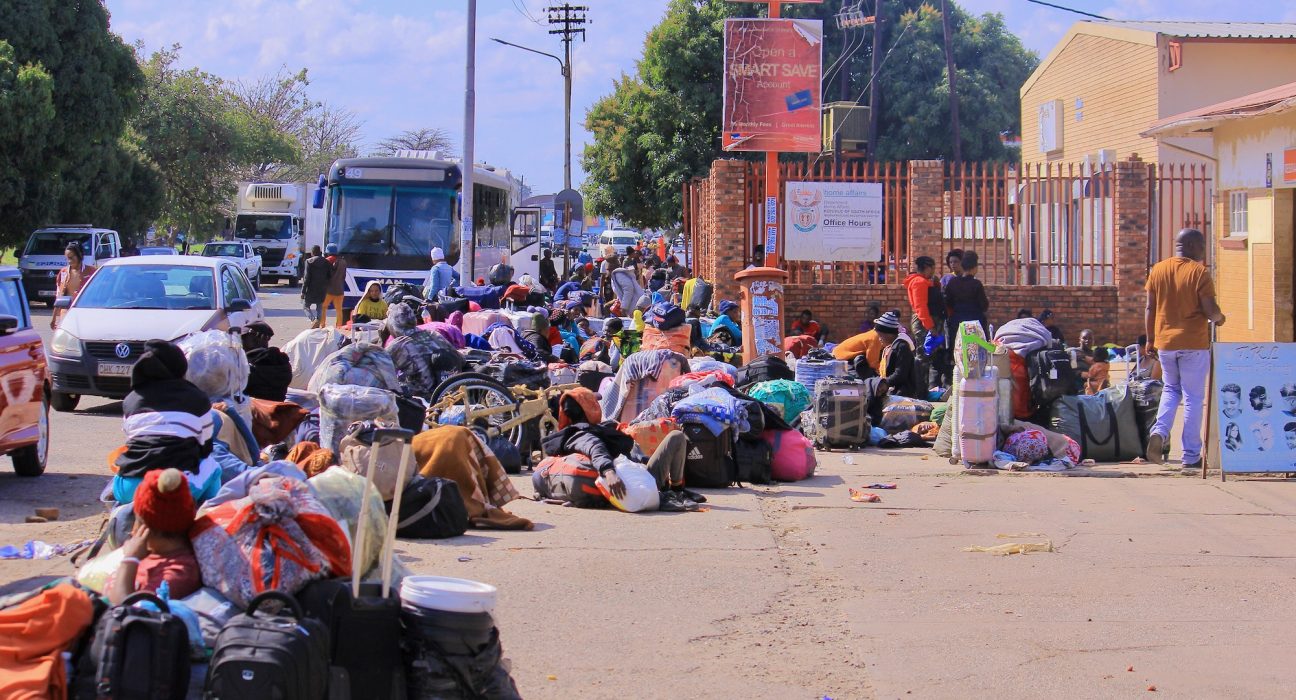
Reuters also reported South Africa’s Department of Home Affairs had set up processing at a Durban camp while authorities focused on moving people out of Durban to a border post in Musina before protests turned violent. That detail matters. Musina sits near Beitbridge. Beitbridge opens into Zimbabwe. When South Africa moves people to Musina without a regional reception plan, Zimbabwe absorbs part of Pretoria’s domestic crisis.
South Africa has a right to enforce immigration law. No serious country runs open borders without records, screening, permits, and deportation procedure. Citizens also have a right to demand jobs, housing, clinic access, school places, policing, and fair service delivery. President Cyril Ramaphosa admitted as much when he said South Africans’ concerns over illegal immigration “are real and they deserve to be heard.” He also warned protest rights do not permit threats, intimidation, vandalism, or violence.
That balance matters for Zimbabwe too. You do not solve illegal migration by beating shopkeepers. You do not solve unemployment by burning stalls. You do not defend sovereignty by creating stateless panic at a border post. You also do not protect Zimbabwe by pretending every person arriving through Beitbridge is harmless, documented, employable, traceable, or ready for integration.
This is where warped Pan-Africanism fails the ordinary citizen.
Pan-Africanism without systems becomes a slogan. It sounds noble at conferences, then collapses at the clinic queue, the tuckshop counter, the police station, and the passport office. Africa needs solidarity. Africa also needs records, permits, labour rules, tax compliance, background checks, refugee processing, deportation channels, and honest debate.
Zimbabwe already struggles with jobs. ZimStat lists the unemployment rate for people aged 15 and above at 20.7 percent for the second quarter of 2025. Its own economic data also shows 76.9 percent of establishments in the 2023 Economic Census were informal. That means thousands survive outside formal contracts, outside pensions, outside stable wages, and often outside tax systems. Drop new undocumented arrivals into such an economy and they do not vanish. They merge into pressure already choking vendors, transporters, landlords, informal traders, and council systems.
This is not an argument against Africans. It is an argument against chaos.
The fake identity scandal now emerging in Harare makes the warning sharper. NewsDay Zimbabwe reported a “Fake IDs scandal rocks foreign embassy” story involving the Congolese community in Zimbabwe and alleged buying of Congolese birth certificates by people posing as DRC nationals. If those allegations hold, Zimbabwe faces more than border stress. It faces identity laundering. That threatens immigration control, national security, diplomatic trust, and legitimate refugees who need protection.
The Ghana Embassy in Harare raised a related alarm in 2025. It warned some Ghanaians entered Zimbabwe through Beitbridge without needed permits, some obtained fake South African exit permits, and some tried to fraudulently obtain Zimbabwean national identity documents for work or exit purposes. This official warning destroys the lazy claim that migration concerns always equal hatred. Sometimes the concern starts with forged papers, weak enforcement, and public silence.
South Africa created its own danger by allowing vigilante politics to set deadlines. The Guardian reported police deployed nationwide before anti-immigration marches, with organisers including March and March setting June 30 as an unofficial deadline for undocumented foreign nationals to leave. It also reported documented migrants complained of harassment, and Ramaphosa said there was “no place for racism, sexism, tribalism, xenophobia, Afrophobia or any other form of intolerance.”
Zimbabwe must avoid South Africa’s mistake. It must not wait for mobs, hashtags, street anger, and border panic. It must act now through law.
Government must publish daily figures on arrivals from South Africa through Beitbridge, including nationalities, documents held, asylum claims, deportation notices, and onward destinations. It must audit suspected forged papers. It must separate refugees from illegal workers, victims from smugglers, and families from criminal networks. It must investigate fake DRC papers without attacking Congolese residents who live lawfully in Zimbabwe.
Harare also needs a city-level response. Where do new arrivals stay? Who registers them? Who monitors informal rentals? Who checks work permits? Who prevents underpaid labour from dragging local wages lower? Who protects citizens from fraud while protecting migrants from abuse? These questions need answers before anger becomes policy.
South Africa must also answer its own hard question. If it moves migrants to Musina, does it coordinate with Zimbabwe, Malawi, Mozambique, Lesotho, DRC, Ghana, and other states? Does it document every person transferred? Does it protect families from vigilantes? Does it prevent deportation theatre from becoming regional dumping?
The Mail & Guardian quoted analysts warning South Africa cannot deport its way out of a regional crisis, while Stats SA data placed international immigrants at around 3 million, with most from SADC. That point cuts both ways. South Africa cannot beat migrants into buses. Zimbabwe cannot absorb border pressure with slogans.
A serious Pan-African position starts with truth. Africa’s people deserve dignity. Africa’s states also deserve order. Zimbabweans have every right to ask who enters, who works, who pays tax, who carries valid papers, who receives assistance, and who manipulates identity systems.
If Pan-Africanists dismiss those questions, they do not defend Africa. They defend disorder. And disorder always punishes the poor first.