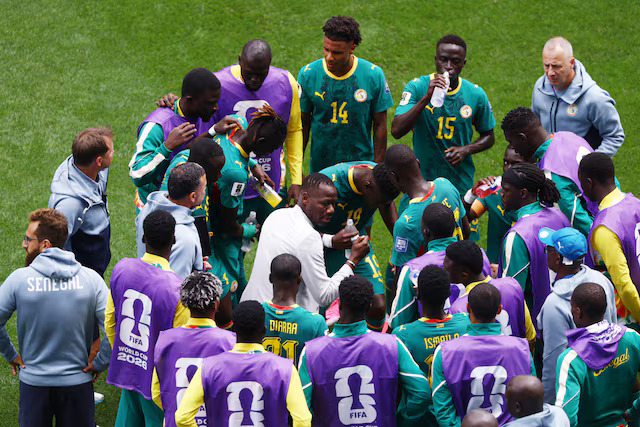

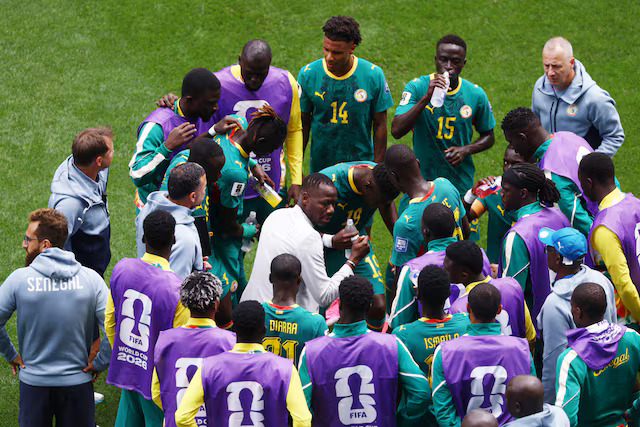
SEATTLE, United States – Senegal did not only lose a football match in Seattle. Senegal lost control of a moment which had carried the weight of a continent.
For 85 minutes, the Lions of Teranga looked ready to march into the last 16 of the 2026 FIFA World Cup. They led Belgium 2-0. They had energy, discipline, and the authority of a team built to compete with Europe’s best. Then the match turned. Belgium scored twice in the closing minutes, forced extra time, and won 3-2 after Youri Tielemans converted a late penalty awarded after a VAR review.
The defeat hurt because Senegal had already seen the finish line. Habib Diarra and Ismaila Sarr had put them ahead. Belgium struck back through Romelu Lukaku and Tielemans in the final four minutes of normal time before Tielemans scored again from the spot in extra time. Senegal coach Pape Thiaw said his players believed there was no penalty. His defender Krepin Diatta admitted the team failed in its mission to write a new page in Senegalese football history.
This was not an ordinary exit. It arrived during Africa’s most ambitious World Cup campaign. CAF said 10 African teams started the expanded 48-team tournament, with Algeria, Cape Verde, Côte d’Ivoire, DR Congo, Egypt, Ghana, Morocco, Senegal, South Africa and Tunisia carrying the continent’s hopes. Reuters later reported only Tunisia failed to reach the knockout round, while nine African teams advanced into the Round of 32.
That record created pride. It also created pressure. Africa no longer enters the World Cup asking for respect. Africa enters demanding results. Morocco’s 2022 semi-final run changed expectations across the continent. It proved African teams had the tactical structure, confidence, and talent to fight deep into the tournament. In 2026, Senegal looked like one of the teams capable of extending that argument.
The collapse against Belgium now raises hard questions. Was this a failure of concentration, game management, substitutions, leadership, or all of them? Reuters reported midfielder Pape Gueye later said he would no longer make himself available for Senegal while the current coaching staff stayed in charge. Gueye had scored twice during the tournament and was substituted in the second half against Belgium.
That statement turned a painful defeat into a public crisis. A World Cup exit is survivable. A dressing-room split is more dangerous. Senegal has built one of Africa’s strongest football identities over the past decade. It has mixed elite European-based players with deep national pride. It has carried big names, including Sadio Mane, Kalidou Koulibaly, Idrissa Gana Gueye, Ismaila Sarr, and others. The team’s strength has often come from unity as much as talent.
Now the federation faces a decision. It must decide whether Thiaw still commands the dressing room. Reuters reported Thiaw is banned for Senegal’s first five Africa Cup of Nations qualifying matches starting in September, a problem which weakens his position at a critical time. His future is under scrutiny after the Belgium loss and after criticism of his tactical management.
Senegal’s problem also speaks to a wider African football issue. The continent has players in top leagues. It has stronger academies. It has better scouting. It has more World Cup slots. Yet the gap between competing and closing out elite matches remains costly. A team leading 2-0 with five minutes left must manage the game with cold discipline. It must slow the rhythm, protect space, avoid panic, and make substitutions which calm the match rather than invite pressure.
Belgium did what experienced tournament teams do. They stayed alive. They punished hesitation. They trusted pressure. Senegal did what many African teams have done before in major tournaments. They played well enough to win, then left the field with regrets.
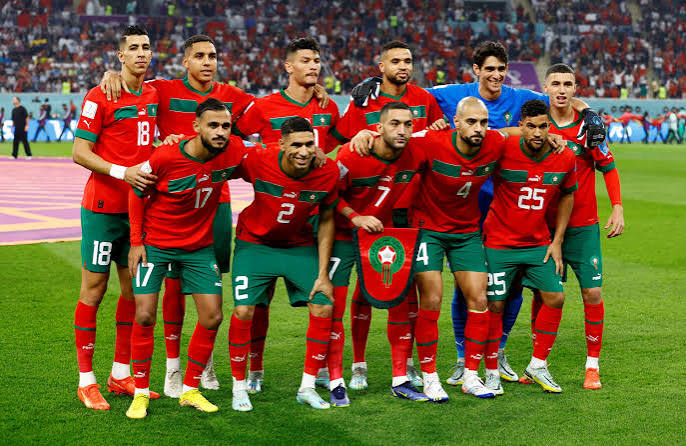
This does not erase Africa’s progress at the 2026 World Cup. South Africa reached the knockout rounds for the first time, according to Al Jazeera. Morocco advanced from Group C with seven points. CAF said Cape Verde’s qualification was among the standout stories, while DR Congo returned to the global stage for the first time since 1974.
But progress without ruthless finishing leaves a bitter taste. African football has moved past celebration over participation. The new standard is different. If nine teams enter the knockouts, the continent expects survivors. If a team like Senegal leads Belgium 2-0 late in a knockout match, Africa expects maturity. If coaching decisions trigger public revolt from a key midfielder, federation leaders must act fast.
Senegal still has enough talent to recover. It has a strong football culture, a demanding public, and a generation of players with tournament experience. But recovery needs honesty. The federation must review substitutions, player trust, medical and fitness data, tactical instructions, and leadership structure. It must also speak directly with players before emotions harden into factions.
The bigger lesson is clear. Africa’s football rise will not be judged only by how many teams reach the World Cup. It will be judged by how many teams survive matches like Senegal against Belgium.
Senegal gave Africa hope for 85 minutes. Then it gave Africa a warning. Talent starts the journey. Discipline finishes it.