

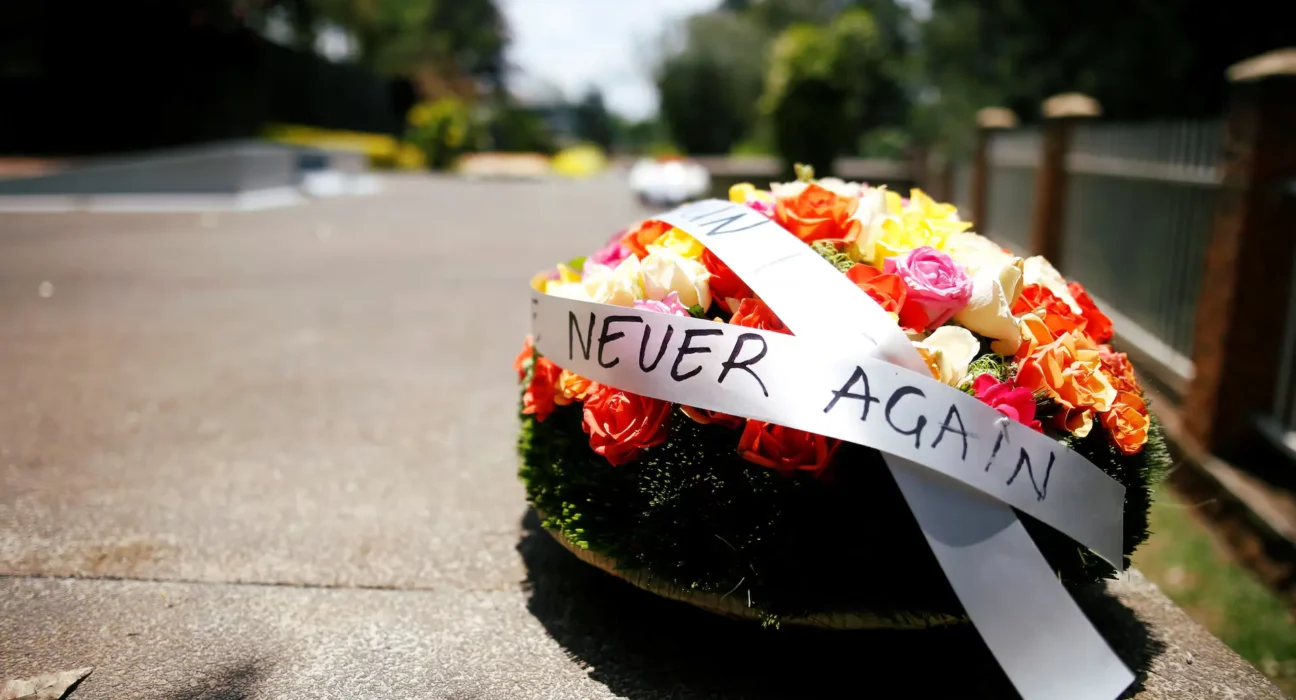
LONDON, United Kingdom – Dr Vincent Brown, formerly known as Vincent Bajinya, appeared at Westminster Magistrates’ Court on Tuesday facing seven charges linked to the 1994 genocide against the Tutsi in Rwanda, marking the first prosecution of its kind in Britain. British prosecutors accuse Brown, 65, of encouraging killings and directing six murders in Kigali during the opening days of the genocide. Brown denies the allegations. Reuters reported his lawyer said he sees the British proceedings as an opportunity to clear his name.
The Crown Prosecution Service charged Brown with one count of conduct ancillary to genocide and six counts of conduct ancillary to murder as a crime against humanity under Section 52 of the International Criminal Court Act 2001. Prosecutors allege Brown directed and incited violence carried out by others in April 1994. The CPS said its Special Crime and Counter Terrorism Division reviewed evidence gathered by the Metropolitan Police War Crimes Team before authorising the charges.
Brown led the Department of Family Health within Rwanda’s National Office of Population in 1994. Prosecutors allege he held influence in Kigali’s Rugenge district during the first week of the genocide, from April 6 to April 13. Reuters reported prosecutors accuse him of ordering six killings, including the deaths of a young mother and her baby. Associated Press reported another alleged victim, a taxi driver, died after attackers stoned him.
The allegations now move into a British criminal trial, where prosecutors must prove each charge beyond reasonable doubt. Brown told police he took no part in the killings and said witnesses fabricated evidence against him. His defence has maintained his innocence for years. A magistrate granted bail on Tuesday with conditions, while prosecutors said they would challenge the decision. Brown remained in custody pending the appeal.
The case carries significance because British authorities spent nearly two decades dealing with allegations surrounding Brown before bringing domestic criminal charges. Rwanda first sought his extradition in 2006. British police arrested Brown and three other Rwandan men after Kigali accused them of genocide-related crimes. A Westminster court initially approved extradition, and the British government signed extradition orders in 2008.
The High Court blocked those extraditions in 2009. Judges concluded the men faced a real risk of a flagrantly unfair trial in Rwanda. The ruling did not determine whether Brown committed the alleged crimes. The judges focused on trial fairness and extradition law. British authorities later faced renewed pressure from Rwanda and survivor groups to either extradite suspects or prosecute credible cases inside Britain.
Metropolitan Police opened a full investigation in September 2019 after Rwanda sent a formal request concerning alleged crimes in Kigali’s Rugenge district. Police described the investigation as complex and extensive. Investigators travelled abroad, gathered evidence and worked with international partners for seven years before prosecutors authorised charges. Commander Helen Flanagan said, “This case demonstrates the UK is not a safe haven for individuals suspected of committing international crimes.”
Brown entered Britain as an asylum seeker in 1998 and received British citizenship in 2004 under his new name. He later lived in Islington, north London, and worked with a charity supporting refugee health professionals. His long residence in Britain adds another layer to a case involving asylum, citizenship, extradition, international criminal accountability and crimes committed thousands of kilometres from British courts.
The 1994 genocide against the Tutsi followed the shooting down of President Juvénal Habyarimana’s aircraft on April 6. Extremist leaders, militia groups and state structures drove mass killing across Rwanda during the next 100 days. More than 800,000 Rwandans, mainly Tutsis, died, according to the United Nations. Neighbours killed neighbours. Roadblocks became killing sites. Militias and government forces organised attacks across towns and villages.
International courts have prosecuted numerous architects and participants. The International Criminal Tribunal for Rwanda convicted senior officials, military commanders, political figures and militia leaders. Tribunal judgments documented cases where officials organised attacks, distributed weapons, issued killing orders and encouraged violence against Tutsis. Rwanda also prosecuted large numbers of cases through its national justice system.
Britain’s entry into such prosecutions arrives more than 32 years after the genocide. The delay raises difficult questions about how democratic states should deal with alleged perpetrators who build new lives abroad. Evidence deteriorates. Witnesses age. Memories weaken. Documents disappear. Cross-border investigations grow expensive. International crimes still carry exceptional legal importance because survivors and families often spend decades seeking accountability.
British prosecutors now face the task of presenting evidence strong enough for a criminal jury while protecting Brown’s right to a fair trial. The CPS issued a direct reminder after announcing the charges, warning media and the public against commentary which might prejudice proceedings. Brown enters court as a defendant, not a convicted man. Every allegation requires proof through admissible evidence.
The case also matters for Rwanda. Kigali has spent years pressing foreign governments to act against people accused of genocide crimes living abroad. Supporters of those efforts argue wealthy democracies should never become retirement destinations for suspected perpetrators. Critics of Rwanda’s government have raised concerns over political pressure and fairness in some cases. British courts must judge the evidence independently rather than adopt either government’s political position.
Police say investigations continue into six other people in Britain over alleged Rwanda genocide offences. Authorities arrested two suspects during separate operations in 2024 and 2026. Those investigations show Brown’s prosecution forms part of a broader British effort rather than an isolated case.
For survivors, Tuesday’s hearing carries significance beyond one defendant. More than three decades have passed since families lost parents, children, neighbours and entire communities. Time has not erased legal responsibility where prosecutors believe sufficient evidence exists.
Brown will next appear at London’s Central Criminal Court, the Old Bailey, on October 9. A British jury will eventually decide whether prosecutors prove the charges against him.
Thirty-two years after Rwanda’s genocide, the British case places an enduring principle before another generation. Justice still demands evidence, due process, accountability and a verdict reached through law.