
GLASGOW, Scotland – Four Ugandan boxers have failed to return home after competing at the 2026 Commonwealth Games in Glasgow, with one athlete reportedly telling media the group intends to seek asylum and pursue boxing careers abroad.
The missing Ugandan competitors have been identified as Angel Katushabe, Nuhu Batte, Ibrahim Khemis and Emily Nakalema. Reports say the four failed to join their scheduled journey back to Uganda after the Games ended on August 2. Police Scotland has received reports concerning athletes who remain unaccounted for.
A fifth boxer, Pakistan’s Qudratullah, also failed to return with his national delegation after competing in Glasgow. Scottish authorities are examining the circumstances surrounding the missing athletes.
The Ugandan development moved beyond a routine failure to board a flight after NBS Sports reportedly contacted one of the four boxers. The unnamed athlete said the group planned to seek asylum and hoped to continue boxing in countries offering stronger training facilities and professional opportunities.
No British authority has publicly confirmed asylum applications from all four Ugandans. Failure to travel home does not automatically establish an asylum claim. Each person who seeks protection in Britain must enter an individual immigration process and present grounds recognised under UK law.
The distinction matters because sporting ambition alone does not establish refugee status. Better gyms, stronger professional boxing markets or higher earnings normally fall under economic migration rather than asylum. A successful protection claim requires qualifying grounds involving persecution or serious danger.
The episode nevertheless raises uncomfortable questions for Uganda and African sport.
Why would athletes chosen to represent their country at one of the world’s largest multi-sport competitions decide against returning home?
Uganda invested money in preparing and transporting its delegation. Coaches spent months developing athletes. National selectors trusted competitors with places representing millions of Ugandans. Walking away after an international tournament therefore creates financial, sporting and reputational consequences.
Yet punishment and condemnation alone would miss the larger problem.
African athletes frequently train under conditions far below those enjoyed by competitors in wealthier sporting systems. Boxing requires quality gyms, qualified coaches, nutrition, medical support, sparring partners, international competition and dependable income. A talented fighter without those resources faces limited prospects regardless of discipline.
Uganda produced respected boxers for decades. The country won Olympic and Commonwealth medals and built a strong amateur tradition. Current fighters still face the difficult transition between national representation and earning a sustainable living through sport.
Glasgow gave the missing athletes direct exposure to another sporting environment.
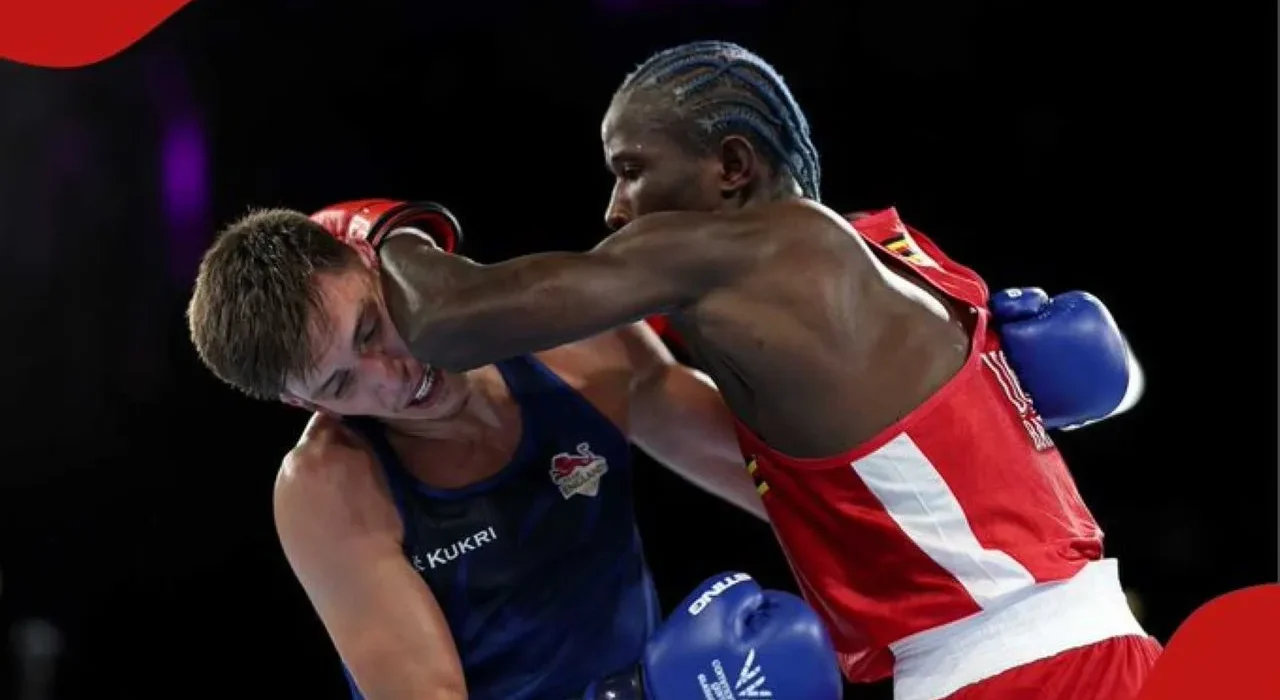
Batte competed in the men’s 65kg division. Commonwealth Games images show him fighting India’s Aditya Pratap Yadav. Alfred Ojok represented Uganda at 80kg, while heavyweight Aziz Abdul also competed for the East African nation. Commonwealth Sport records show boxing formed a major part of Uganda’s Glasgow campaign.
None of the missing Ugandan boxers secured a medal.
Their disappearance after competition therefore raises a question extending beyond elite sporting success. International tournaments sometimes become migration opportunities for athletes who receive temporary access to countries where ordinary visa entry proves difficult.
Uganda has experienced similar episodes before.
Ugandan athletes disappeared during earlier Commonwealth Games hosted in wealthier countries. Such incidents also involve competitors from several African and Asian delegations. Glasgow now faces another example after an event which brought athletes from 74 nations and territories to Scotland.
African sporting authorities should stop treating each disappearance as an isolated embarrassment.
National federations need to examine athlete welfare before departure. Officials should know whether competitors receive proper allowances, career planning, employment support and opportunities after major tournaments. Sports ministries should also create professional pathways for athletes whose competitive careers remain short.
A boxer places health at risk every time he or she enters the ring. Expecting athletes to survive through patriotic speeches while officials receive travel allowances creates resentment.
Uganda also needs direct engagement with the four competitors.
Officials should establish their safety first. Authorities should avoid threats against athletes or relatives. Any asylum application belongs to British legal procedures. Kampala should request official information through diplomatic channels while respecting individual rights.
The athletes also owe Uganda an explanation.
Representing a country carries obligations. A competitor who plans to remain abroad should communicate with team officials rather than disappear from a delegation. Sporting bodies need accurate information for travel, safeguarding and immigration compliance.
Pakistan faces the same responsibility regarding Qudratullah.
Police Scotland told media officers were looking into reports concerning missing athletes. The investigation does not mean police suspect criminal activity. Authorities need to establish whether each person remains legally in Britain and whether any welfare concerns exist.
The Commonwealth Games ended with organisers praising Glasgow for delivering a reduced-cost model and welcoming athletes from across the Commonwealth. The missing-boxer story now adds a difficult postscript.
For Uganda, the deeper lesson goes beyond four empty seats on a flight.
When athletes representing an African country view an overseas tournament as a possible exit route, governments and sporting organisations should ask what conditions made departure attractive.
Talent does not survive on nationalism alone.
Uganda needs boxing gyms, credible management, sponsorship, athlete insurance, competitive earnings and international exposure. African sport loses when promising competitors believe career survival requires leaving the continent.
The four boxers entered Scotland carrying Uganda’s flag.
Whether they return home or formally seek protection in Britain now belongs to a developing legal process.
Their disappearance already sends a message African sporting authorities should study closely. Athletes will represent their countries with pride, but countries also need to give athletes serious reasons to build their futures at home.