

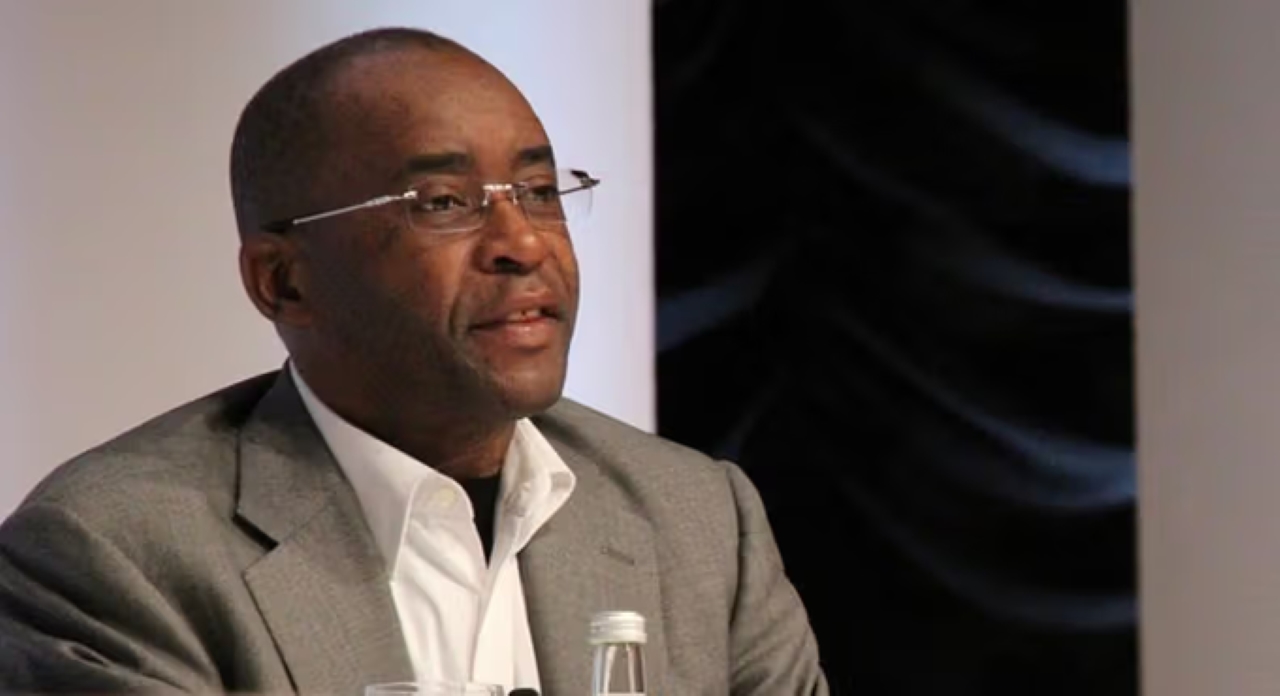
HARARE, Zimbabwe – Zimbabwean billionaire Strive Masiyiwa has directed Econet Group to expand employment and income opportunities for citizens returning from South Africa, with EcoCash preparing to appoint 15,000 new agents before Christmas.
Econet Zimbabwe chief executive Douglas Mboweni said management held several meetings with Masiyiwa as the group searched for projects able to absorb returnees quickly. The programme stretches across mobile money, construction and agriculture. EcoCash carries the biggest numerical target.
“We are looking at various projects aimed primarily at creating even temporary jobs,” Mboweni said.
The 15,000-agent programme carries significance far beyond a corporate recruitment drive. More than 115,000 Zimbabweans have returned from South Africa since late in the second quarter following tougher immigration enforcement, anti-immigrant protests and fears of attacks. The Associated Press reported more than 178,000 African migrants had left South Africa by early August, with Zimbabwe accounting for the largest reported national group.
Those figures include voluntary returnees, people travelling under repatriation programmes and deportees. South African authorities reported about 19,000 official deportations since April. Many Zimbabweans left before or during protests demanding stricter action against undocumented migrants.
Reuters documented protesters entering homes in Johannesburg’s Alexandra township in July and handling suspected undocumented foreigners to police. Reuters quoted one Zimbabwean during the operation saying, “I am a ZEP holder,” referring to the Zimbabwean Exemption Permit.
For Harare, the migration shift creates an economic problem alongside a humanitarian one. Families returning after years in South Africa need housing, school places, healthcare and income. Many adults arrive with experience in construction, retail, agriculture, domestic work and informal trading. Zimbabwe now faces pressure to turn those skills into local livelihoods.
Masiyiwa’s response places one of Zimbabwe’s largest private business groups directly inside the reintegration effort. Forbes Africa lists Masiyiwa among Africa’s billionaires with an estimated 2026 fortune of US$2.1 billion.
Mboweni said every new EcoCash agent normally supports at least two jobs. On Econet’s estimate, 15,000 appointments would support around 30,000 income opportunities. Such a figure does not represent 30,000 salaried Econet positions. Agents generally operate independent outlets and earn commissions from financial transactions.
EcoCash describes its authorised partners as individuals or businesses providing physical service points for customers. Services include cash deposits, withdrawals and payments. Applicants submit documentation, undergo vetting and sign contracts before operating.
If you are a returnee assessing the offer, the distinction matters. An agent appointment offers a business opportunity, not a guaranteed salary.
For returnees with retail, customer-service or informal-business experience, such outlets offer one route into self-employment. Success will still depend on location, transaction demand, operating costs and access to enough working funds for daily activity.
The Christmas deadline also presents a major execution test. Econet would need to process applications, assess business locations, complete compliance checks, train new partners and expand support systems across a short period. A 15,000-agent expansion also needs enough customer activity to sustain thousands of additional outlets.
Econet gains commercially from wider distribution. More agents mean more physical access points for EcoCash users, including rural communities with limited banking infrastructure. Econet says its existing agent network already helps customers in remote areas receive money without travelling long distances.
The plan therefore mixes social response with business expansion. Returnees receive income opportunities. EcoCash expands reach. Communities gain more payment points. Econet strengthens a service network already central to Zimbabwe’s mobile payments sector.
Masiyiwa also wants Econet to accelerate construction at Econet Tech City. Mboweni said faster building work would provide around 2,000 short-term jobs. The group has promoted Tech City as a major technology and infrastructure development in Harare.
Construction offers faster entry for workers who already gained building skills in South Africa. Short contracts still raise a longer-term question. Workers need pathways from emergency employment into stable income after construction phases end.
Agriculture forms another part of the response. Econet plans to expand AgriTech operations producing fruit for export to China. Mboweni said the expansion would support hundreds of jobs.
“We are not farmers, but we are putting money into agricultural initiatives because they are a quick way to create jobs,” he said.
Agriculture offers broader geographic reach than a single construction site. Properly structured operations would place work closer to rural families and reduce pressure on Harare, Bulawayo and other urban centres receiving returnees.
Econet also wants other businesses to act. Mboweni said corporate Zimbabwe should use available resources to support citizens facing reintegration pressures.
“As industry and business, we have to use all the tools at our disposal to help our fellow citizens,” he said.
The private-sector response does not remove government responsibility. Harare still needs a coordinated reintegration programme covering documentation, school placement, health continuity, skills mapping, small-business finance and job matching. AP reported concerns over children leaving schools and patients losing access to chronic medication during sudden departures from South Africa.
Government data cited in recent reporting show more than 15,000 returnees had registered for employment and business support by July. Numbers have continued rising since then. Econet’s programme therefore arrives during a period when the demand for livelihoods is immediate.
The strongest part of Masiyiwa’s plan lies in speed. Mobile money agents require less construction time than factories. Building projects absorb labour quickly. Agriculture spreads opportunities beyond city centres.
The biggest risk lies in mistaking opportunity figures for permanent employment. An agency outlet is a small business relationship. A construction contract is temporary. Seasonal agricultural work changes with production cycles. Returnees need income lasting beyond the present migration emergency.
Econet has placed a measurable target on the table. Fifteen thousand EcoCash agents by Christmas. Around 2,000 construction jobs in the short term. Hundreds more through agriculture.
Those numbers now create a benchmark for delivery. If Econet reaches the targets, Masiyiwa’s directive will represent one of the largest private-sector responses yet to Zimbabwe’s returnee crisis. The next question will concern durability. Zimbabwe needs returning citizens to build sustainable livelihoods at home, rather than prepare for another departure when regional pressure eases.