

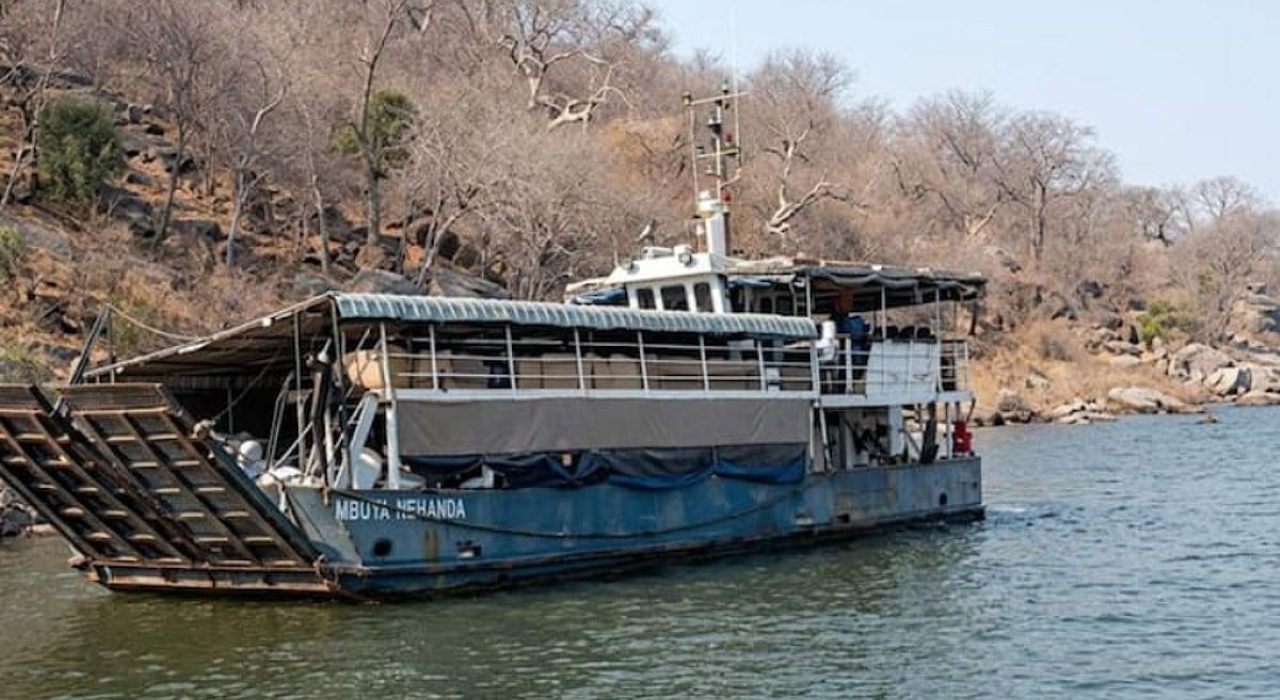
KARIBA, Zimbabwe – Zimbabwe’s Lake Kariba ferry disaster has killed at least 92 people, pushing the tragedy beyond the death toll from the 1991 Nyanga bus crash and raising urgent questions about public safety, infrastructure maintenance and state oversight. Police said search teams recovered eight more bodies by 3 p.m. on Monday, August 17. Authorities recorded 77 survivors, while search teams kept looking for missing passengers.
The Mbuya Nehanda KF551 capsized on August 11 while travelling from Kariba Urban toward Chalala Fishing Camp. Authorities and survivors described strong winds, rough waves and severe overloading. The ferry had an authorised passenger capacity of 90. Current police figures show at least 169 people aboard when deaths and survivors are added together.
The arithmetic alone demands scrutiny. A vessel designed for 90 people carried nearly twice its authorised load. Children below ticketing age complicated the passenger count. A proper passenger manifest should have recorded every person before departure, including infants and young children. Boarding should have stopped once passengers reached the legal limit.
Survivors also described danger before departure. Strong winds had already developed. Water entered the ferry. Goods fell into the lake. Passengers asked the captain to postpone the trip or turn back. One survivor, Anyway Chambati, later said, “Some of us survived by standing on top of the capsized hull.”
Local MP Mutsa Murombedzi posted video showing people waving off the ageing ferry before departure. AP reported concern among people on shore over whether the vessel would survive strong waves. Such concern does not prove mechanical failure. Public warnings should still trigger inspection, review and caution when lives depend on one ageing transport asset.
Those accounts shift attention from weather alone toward decisions before and during departure. Weather created a hazard. Human decisions determined exposure to the hazard. An independent inquiry needs to establish the ferry’s mechanical condition, maintenance record, seaworthiness certification, loading procedures, crew training, life-jacket provision and command decisions.
President Emmerson Mnangagwa declared a state of disaster and ordered agencies to “immediately overhaul and fix the deficiencies in our maritime capabilities”. The order acknowledges gaps in maritime safety. Families now deserve more than emergency action after mass loss of life. They deserve a public record showing who inspected the ferry, when inspection occurred, what defects inspectors found, who authorised departure and why passenger limits failed.
The toll places Kariba among Zimbabwe’s most serious disasters. The 1991 Nyanga bus disaster killed 89 people, including scores of schoolchildren. Kariba’s confirmed 92 deaths have now exceeded the earlier figure. The 2003 Dete rail collision and fire killed about 50 people. Those two disasters became enduring warnings about transport safety, driver conduct, signalling, equipment and emergency response.
Kariba still sits below several broader national catastrophes. Heavy rains and floods during the 2025/26 season killed 134 people by March 2026. Cyclone Idai killed about 340 people in Zimbabwe in 2019. The 1972 Wankie colliery disaster killed 427 miners. Zimbabwe’s 2008/09 cholera epidemic killed 4,288 people from 98,592 reported cases.
The comparison matters because each disaster points toward a different state duty. Government does not control every storm. Government directly controls inspection rules, loading limits, maintenance budgets, public asset registers, enforcement systems and emergency preparedness.
Kariba also raises a wider question. How many ageing public assets across Zimbabwe operate without recent, published engineering assessments?
RIDA, formerly the District Development Fund, operates the ferry. A 2022 Auditor-General review of DDF exposed poor conditions at some stores and workshops, including cracked walls, missing roofs, doors and windows. The audit did not examine the Mbuya Nehanda ferry, so no direct link exists between those findings and the capsize. The institutional lesson deserves attention. Maintenance systems fail long before a structure collapses or a vessel sinks.
Government should order a national safety audit of critical public infrastructure, starting with passenger vessels, bridges, dams, railway signalling, major road structures, hospitals, schools, water systems and sewer networks. Engineers should rank assets by age, condition, traffic, failure consequences and inspection history. Authorities should close or restrict any asset without current certification until engineers sign off safe operation.
Zimbabwe already has examples of preventive management. The Victoria Falls Bridge opened in 1905, yet periodic structural examination and rehabilitation have helped keep the bridge in service. Owners reported the bridge structurally sound in 2024. Age alone does not make infrastructure unsafe. Neglected inspection and deferred repairs create danger.
Kariba Dam offers another lesson. The Zambezi River Authority has pursued a major rehabilitation programme aimed at long-term dam safety. During 2026, project reporting placed rehabilitation progress at 94 percent. A country facing ageing infrastructure needs the same preventive discipline across smaller assets, where public attention often arrives only after failure.
Rail infrastructure also requires attention. National Railways of Zimbabwe says future plans include replacing an old centralised traffic control signalling system. Reuters previously reported decades of underinvestment and poor maintenance across the rail system. Such admissions should trigger funded timelines, independent verification and public progress reports, not indefinite plans.
Local authorities face similar weaknesses. Recent Auditor-General findings cited failures involving infrastructure records, roads, bridges and sewer systems, alongside unresolved audit findings. A government serious about prevention should force every ministry, agency, parastatal and council to maintain a live asset register with inspection dates, defect ratings, repair deadlines and responsible officers.
For Lake Kariba, immediate reforms should include mandatory electronic passenger manifests, strict no-overload enforcement, life jackets for every passenger, weather-based sailing restrictions, compulsory vessel certification, routine emergency drills, radio distress systems and dedicated rescue capacity positioned close to passenger routes. Rural communities also need reliable road alternatives so residents do not depend on one ferry for essential movement.
If you use a public bridge, ferry, railway, clinic or water system, your safety rests on work most people never see. Inspection. Maintenance. Enforcement. Replacement. Government should publish those records before another funeral forces disclosure.
Ninety-two deaths turn Kariba from a boating accident into a national test of accountability. Police are still searching the lake. The next test sits on land, inside ageing bridges, railway systems, roads, public buildings and water infrastructure. Zimbabwe already knows the cost of waiting for failure. Kariba has added 92 names to the record.