

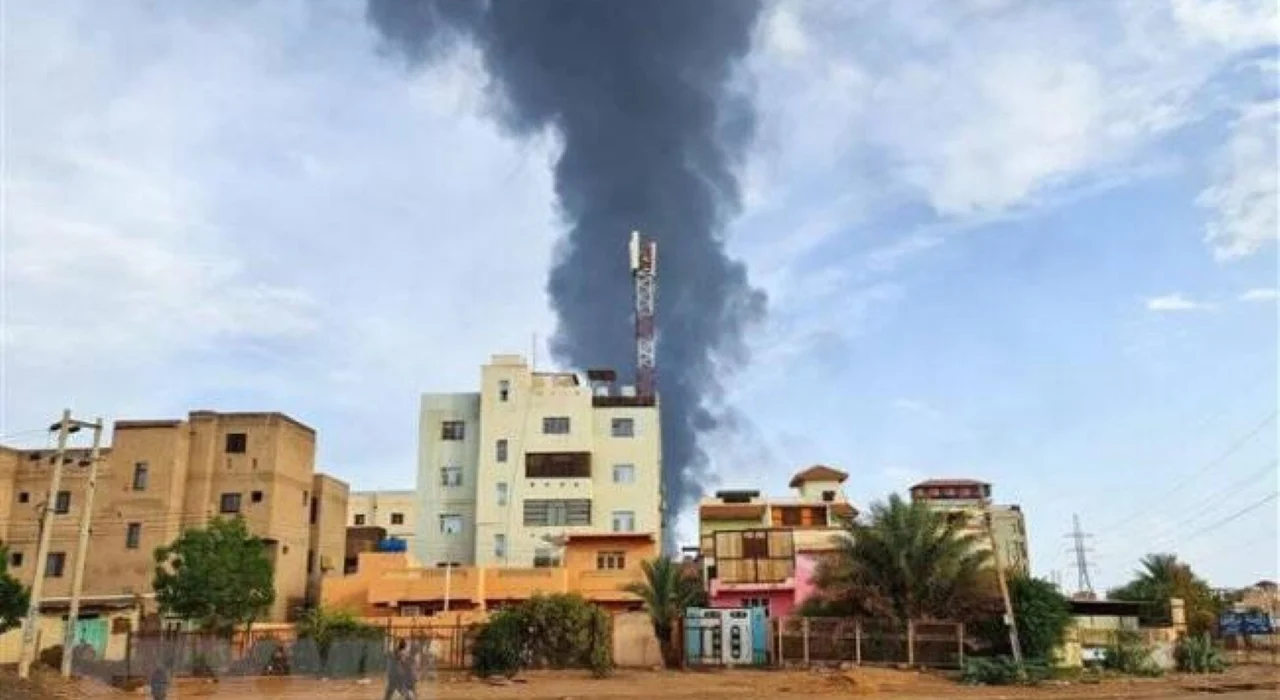
EL OBEID, Sudan – Drone warfare is tightening around El Obeid as the Rapid Support Forces seek control of one of central Sudan’s most important cities, placing more than half a million civilians under siege-like pressure.
The battle matters far beyond North Kordofan. El Obeid links Khartoum, Darfur and southern Kordofan through roads used for trade, military supply and humanitarian relief. The city also serves as a major market for livestock and gum arabic. Whoever controls El Obeid gains a strategic gateway between western and central Sudan.
The Rapid Support Forces, known as the RSF, have attacked fuel stations, electricity networks, water facilities, hospitals, schools, markets and transport routes around the city. Sudan’s army still holds El Obeid and has strengthened defensive positions while RSF units mass around several approaches.
United Nations human rights officials documented 15 drone strikes between June 6 and June 28. Those attacks killed at least 45 civilians and injured 41. Officials warned the true toll likely stands higher because insecurity blocks complete reporting. The strikes damaged at least 13 fuel stations in El Obeid and nearby El Rahad.
ACLED recorded more than 50 drone attacks across North Kordofan during June, with over 110 reported deaths. Fatalities from drone strikes rose by about 70 percent from the previous month. Most attacks centred on Sheikan locality, where El Obeid sits.
This pattern shows a deliberate war of exhaustion. Destroy fuel, then water pumps stop. Destroy electricity, then hospitals lose power. Strike roads, then food prices rise. Attack markets, then families lose access to basic supplies. Every damaged service turns civilian survival into another weapon.
Residents now pay the price. El Obeid holds roughly 500,000 permanent residents and around 100,000 displaced people. Families who fled violence elsewhere in Kordofan now face danger inside the city where they sought safety. Food, fuel, medicines and clean water have grown scarce while transport costs rise.
Women and girls face a separate emergency. UN Women says daytime drone attacks make water collection dangerous. Many women therefore collect water after dark, when rape and other sexual violence threaten them. Anna Mutavati, UN Women’s regional director for East and Southern Africa, said the city now offers “no safe window” for women and girls seeking water.
Across Sudan, 12.7 million women and girls need services linked to gender-based violence. The figure has quadrupled since the war began. Between 70 and 80 percent of people trapped in and around El Obeid are women and children, according to UN briefings.
Disease adds another threat. Clean water shortages have reached a critical level as the rainy season begins. Cholera was already spreading across Sudan, with 1,330 cases reported by early July. Damaged water systems, crowded shelters and weak health services create ideal conditions for wider transmission. WHO has placed cholera supplies in El Obeid, while the Sudan Humanitarian Fund has allocated more than $4 million for emergency work.
The fear surrounding El Obeid comes from recent history. The RSF captured El Fasher in Darfur last year after a long siege. Reports of killings, sexual violence, abductions and looting followed. United Nations officials now warn against another assault with similar civilian consequences.
El Obeid differs from El Fasher in important ways. El Fasher carried a sharper ethnic dimension after years of violence against Zaghawa and Fur communities. El Obeid has stronger army positions, functioning aid operations and a broader commercial population. Those differences reduce some risks, yet they do not protect civilians from drone attacks, hunger, disease or urban combat.
Satellite analysis from Yale’s Humanitarian Research Lab shows the army built at least 14 checkpoints and a 51-kilometre system of berms and trenches around El Obeid. RSF forces surround the city from the west, north and south. Only the eastern route offers a major remaining connection.
Such fortifications signal preparation for a prolonged siege. ACLED analysts expect the RSF to use the rainy season for drone pressure, supply-route disruption and troop positioning before October. The army has answered with strikes on RSF troops and facilities. Civilians stand between both military strategies.
Both sides hold legal duties to distinguish military targets from civilians and civilian infrastructure. Markets, schools, hospitals, water systems and homes do not lose protection because fighters operate nearby. Independent investigations should examine every strike, identify commanders and preserve evidence for future prosecutions.
The international response has failed to match the warning. United Nations officials have described the signs as “clear and unmistakable.” The Security Council and foreign governments already know the danger. Another massacre would not result from ignorance. Such a massacre would follow delayed diplomacy, weak pressure on external backers and inadequate humanitarian financing.
Sudan’s war started in April 2023 after a power struggle between army chief Abdel Fattah al-Burhan and RSF commander Mohamed Hamdan Dagalo. More than 13 million people have fled their homes, while over 30 million need humanitarian assistance. Conflict monitors have recorded at least 59,000 deaths, though the full toll stands far higher.
Foreign states also influence the conflict through weapons, money and diplomatic protection. Any government supplying drones, ammunition or other military support should face public scrutiny and targeted penalties where evidence supports responsibility.
African leaders need to treat El Obeid as an urgent continental security crisis. The African Union should demand a protected humanitarian corridor, independent monitoring of drone attacks and direct talks focused on civilian protection. Regional governments should press both commanders to halt attacks on essential infrastructure.
Aid agencies need secure access, fuel, medicines, water-treatment supplies and funding for local women-led organisations. Those organisations reach survivors faster, understand community risks and operate where international teams struggle.
You should watch El Obeid because the city now represents Sudan’s wider collapse. A strategic battle has become an attack on water, electricity, healthcare and movement. Drone warfare allows armed groups to punish civilians without entering the streets.
Officials fear catastrophe because every warning sign already exists. The siege is tightening. Services are failing. Displacement is rising. Women face violence while seeking water. Children face death from weapons and disease.
The world still has time to prevent another El Fasher. The remaining time now runs through El Obeid.