
ALGIERS, Algeria – Algeria moved closer to deploying troops inside neighbouring Niger on Sunday, October 25, 2026, after the upper house of parliament approved a presidential request to send military personnel across the border to protect strategic energy investments.
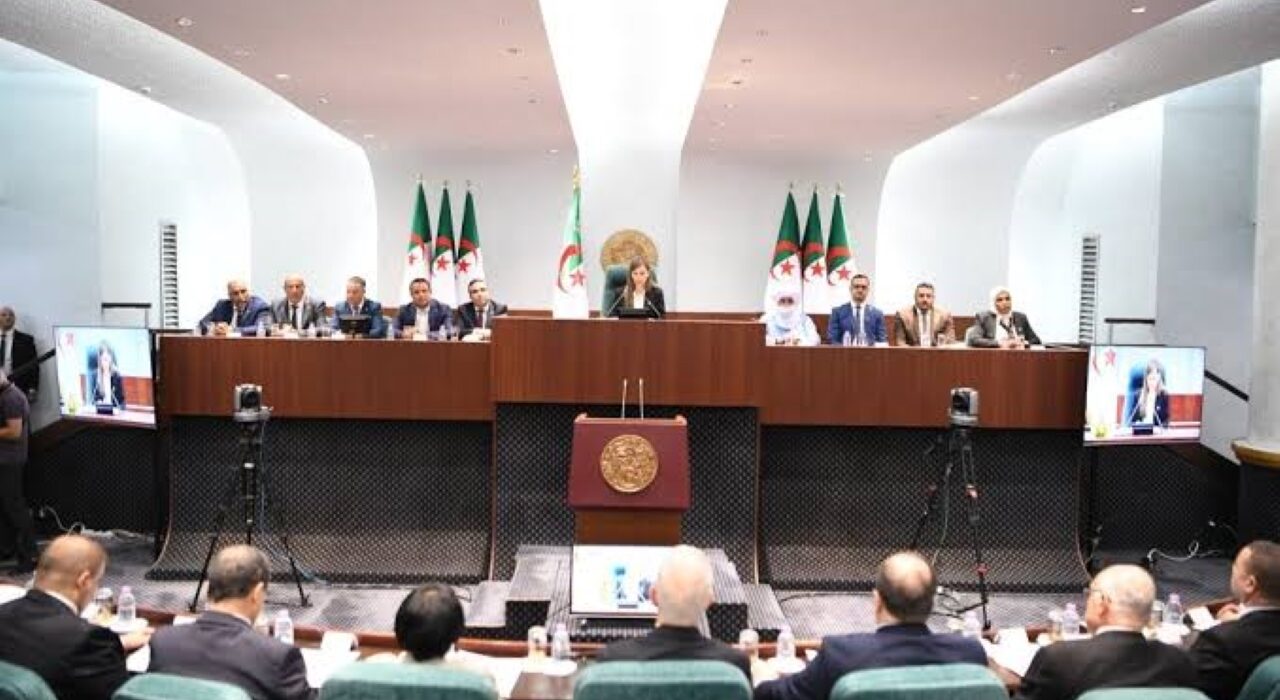
The Council of the Nation endorsed the proposal during an extraordinary closed session. Parliamentary sources reported 148 votes in favour among the chamber's 174 members, exceeding the constitutional threshold for approving foreign military deployments.
President Abdelmadjid Tebboune requested authorisation to station a detachment of the People's National Army in northern Niger, where Algerian state energy company Sonatrach maintains petroleum exploration interests.
The decision represents a significant development in Algeria's defence policy. The country has traditionally restricted military operations beyond its borders, although constitutional amendments introduced in 2020 created a legal mechanism for overseas deployments.
The National People's Assembly, Algeria's lower parliamentary chamber, must also approve the proposal by a two-thirds majority before the government completes the constitutional authorisation process. Legislators scheduled their vote for Sunday evening.
Senator Belkacem Boulghiti defended the decision following the upper house proceedings, explaining the government's security and economic objectives.
“This serves Algeria's strategic security,” Boulghiti said, describing the deployment as a limited military mission intended to defend national interests and strengthen cooperation with Niger.
The senator explained how protecting Algerian investments in neighbouring countries forms part of the government's wider approach to border security.
Algeria and Niger share approximately 960 kilometres of desert frontier. Armed militant groups, weapons traffickers and criminal networks operate across parts of the wider Sahel, creating persistent security challenges for governments and commercial operators.
The proposed military deployment focuses on energy infrastructure rather than an announced regional combat operation.
Sonatrach operates petroleum projects in northern Niger through international subsidiaries and partnerships with Nigerien authorities. One major initiative involves cooperation with Niger's national petroleum company, SONIDEP, in the Kafra oil exploration area.
Energy infrastructure requires specialised protection because remote drilling sites, equipment compounds and supply routes face logistical and security risks. Attacks or prolonged insecurity threaten personnel, capital expenditure and exploration schedules.
Algeria's latest parliamentary decision follows a series of diplomatic and military engagements between the two governments.
Nigerien Defence Minister General Salifou Modi visited Algeria during October and held discussions with Tebboune and Algerian military chief General Saïd Chanegriha.
Both countries signed a military cooperation protocol on October 21, strengthening arrangements for defence coordination and border security. Authorities have not disclosed the complete agreement.
The negotiations followed an earlier security intervention during August, when Algeria dispatched fighter aircraft to Niger following an attempted military mutiny in Niamey.
Algerian authorities confirmed sending four Sukhoi Su-30 fighter jets to support Nigerien security forces after armed personnel challenged the country's military leadership.
The operation followed a request from Nigerien authorities. Algeria described the intervention as support against an attempt to destabilise its neighbour.
Tebboune subsequently defended Algeria's position during a televised address on October 3.
“We will protect Niger no matter what,” the president declared.
He accused unnamed foreign actors of threatening Niger's stability, although his public remarks did not identify the governments concerned or establish independent evidence supporting the allegations.
The diplomatic relationship carries particular significance because Niger has experienced military rule since July 2023, when soldiers removed elected President Mohamed Bazoum.
General Abdourahamane Tiani subsequently assumed national leadership. Bazoum has continued facing detention following his removal from office.
The military takeover damaged Niger's relations with several regional and international partners. Sanctions, diplomatic disputes and disagreements over counterterrorism cooperation complicated the country's political transition.
Algeria initially experienced tensions with Niger following an unrelated confrontation involving Mali.
In 2025, Algerian forces destroyed a Malian military drone near the shared frontier, triggering a diplomatic dispute involving Mali, Burkina Faso and Niger.
The three countries, operating through the Alliance of Sahel States, recalled their ambassadors from Algeria during the confrontation.
Recent meetings between Algiers and Niamey suggest both governments now prioritise bilateral cooperation despite earlier diplomatic disagreements.
Energy investment provides another reason for closer relations.
Algeria supports the proposed Trans-Saharan Gas Pipeline, a major infrastructure project intended to transport Nigerian natural gas northwards through Niger and Algeria towards European markets.
The pipeline would create opportunities for regional transit revenue, energy exports and associated infrastructure development. The project nevertheless faces financing requirements, construction challenges and security concerns along its proposed route.
Continued insecurity across Niger threatens the commercial environment necessary for major infrastructure investment.
Algeria has also expanded energy assistance to Niger. During June, Algerian officials inaugurated a 40-megawatt electricity generation facility intended to improve power supplies for Niamey and surrounding communities.
Such investments connect diplomatic cooperation with electricity access, industrial activity and economic development.
For African businesses following the developments, several operational questions deserve attention.
The Algerian government has not publicly confirmed the number of soldiers assigned to the proposed deployment, their detailed rules of engagement, the mission's duration or the full financial arrangements.
Those details determine operational responsibilities, including coordination with Nigerien forces, protection of personnel and procedures for responding to armed threats.
The deployment also raises questions concerning parliamentary oversight and the distinction between defensive protection and military operations against armed groups.
Algerian officials describe the proposed assignment as limited. The mission's final scope will depend on approved deployment arrangements and subsequent operational directives.
The constitutional requirements remain important. Article 91 requires approval from two-thirds of the membership of each parliamentary chamber before the president authorises the deployment of military units abroad.
Sunday's upper house decision therefore represents parliamentary approval of the proposal's first stage, rather than confirmation of soldiers already entering Niger under the new mandate.
If parliament completes the process, Algeria would undertake its first comparable official foreign troop deployment since the 1973 Arab-Israeli war.
The decision would also establish a precedent for protecting Algerian economic interests outside national territory through formally authorised military deployments.
For Niger, the proposed arrangement provides another form of bilateral security cooperation as its government confronts armed violence and infrastructure protection challenges.
For Algeria, the immediate objective concerns securing energy investments and maintaining closer relations with a strategically important neighbour.
The next development depends on the National People's Assembly's decision, followed by the government's disclosure of the military mission's operational arrangements.