

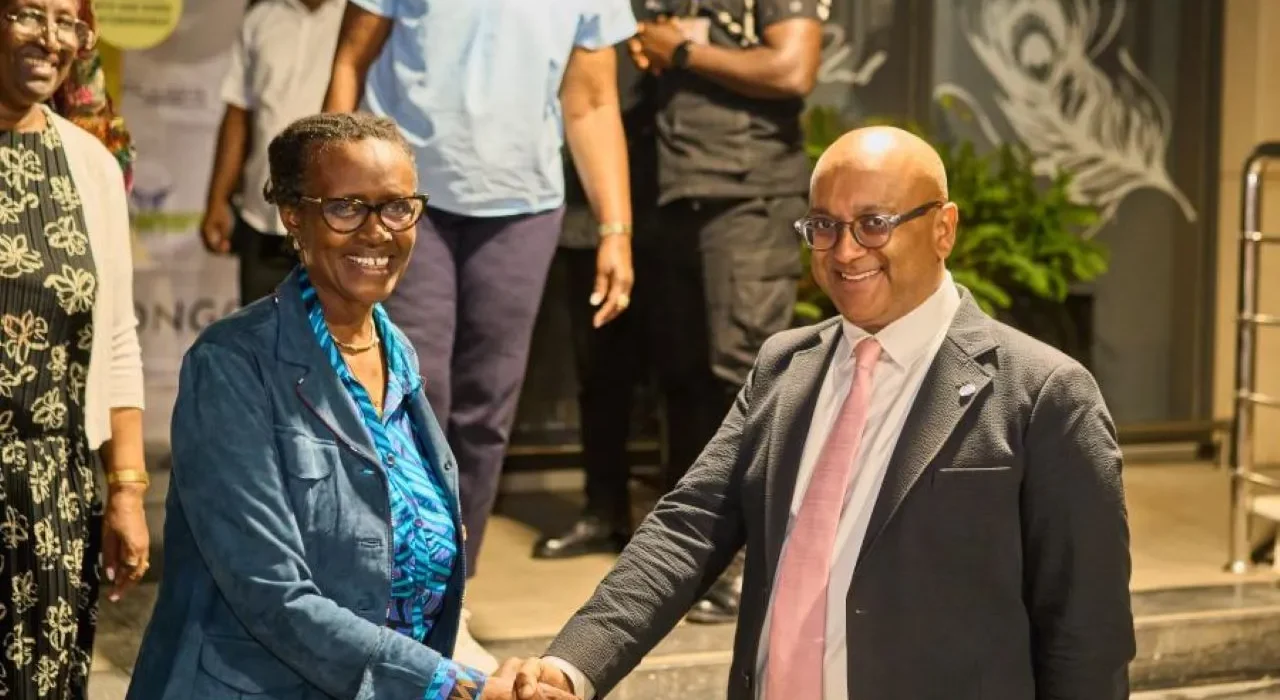
ACCRA, Ghana – UNAIDS Executive Director Winnie Byanyima has warned African leaders shrinking foreign assistance now threatens decades of progress against HIV and exposes a wider failure across the continent’s health systems.
Her warning reached the African Union health summit in Accra as leaders discussed ending AIDS, tuberculosis and preventable maternal deaths while strengthening care for malaria, neglected tropical diseases and noncommunicable illnesses.
Africa enters this funding emergency with major achievements. New HIV infections fell by 40 percent between 2010 and 2024. UNAIDS later reported a 43 percent decline by 2025, while AIDS-related deaths fell by 56 percent from 2010 levels. Those gains resulted from sustained public investment, donor support, community health programmes, antiretroviral treatment and the work of millions of nurses, doctors and activists.
The progress now faces severe danger. Global development assistance fell by 23 percent in 2025, the sharpest annual fall on record. UNAIDS reported declines in HIV testing, condom funding and pre-exposure prophylaxis services across high-burden countries. The agency described the disruption as the gravest funding crisis since the international HIV response began.
Byanyima told African leaders to close the inequality in sustainable financing. She argued no country would end AIDS while debt, shrinking fiscal space and falling external assistance constrain national budgets.
“Sustainable financing is not charity,” Byanyima said.
She presented domestic health funding as an investment in security, development and national resilience.
Her argument reaches far beyond HIV.
The same nurse who provides antiretroviral treatment often supports maternal care, childhood vaccination, tuberculosis screening and malaria treatment. The same laboratory processes tests for several diseases. The same weak supply chain leaves clinics without HIV medicines, antibiotics, malaria drugs or basic maternity supplies.
Africa therefore faces one connected crisis. Governments built too many programmes around foreign grants while leaving public hospitals, local manufacturing, health insurance, staffing and primary care underfunded.
The numbers expose the scale of official neglect. African governments spent an average 7.1 percent of total public expenditure on health in 2022. The Abuja Declaration, adopted in 2001, set a 15 percent target. Only three African countries currently meet the target. WHO also reports 152 million people across its African region fall into poverty because of health expenses.
External funding once covered gaps left by weak domestic budgets. Donor withdrawal now transfers the cost to patients. Families sell livestock, borrow money, delay treatment or remain home until illness reaches an emergency stage. Such choices deepen poverty and raise preventable deaths.
Africa CDC estimates governments provide 35 percent of total health spending across Africa. External assistance contributes about 23 percent, while households directly pay another 35 percent. Development assistance for health fell from US$25.8 billion in 2021 to about US$13 billion in 2025.
Malaria shows the danger. WHO says the disease killed nearly 600,000 people in 2023, with 95 percent of deaths occurring in Africa. Tuberculosis programmes also rely heavily on outside support. The United States supplied about half of international donor funding for tuberculosis during the decade ending in 2023.
Maternal health faces equal pressure. Global health partners reported 260,000 pregnancy-related deaths each year, alongside nearly five million deaths among children below five. Funding reductions often strike community health, family planning, maternal care and adolescent services first.
While leaders met in Accra, Nigerian President Bola Tinubu appealed to Nigerian doctors and other health professionals abroad to return home. He said Nigeria needs their knowledge, innovation, experience and patriotism to strengthen its health system.
Tinubu made the appeal during a meeting with Nigerian diaspora medical associations in Abuja.
The appeal sounds patriotic. Nigeria must also confront why health workers left.
Doctors and nurses do not abandon home because foreign countries possess stronger slogans. They leave over poor salaries, unsafe wards, unreliable electricity, limited equipment, delayed promotions, exhausting workloads and weak protection from violence.
More than 42,000 Nigerian nurses left for overseas employment within three years, according to figures presented during a national nurses’ strike in 2025.
Calling workers home without fixing those conditions transfers responsibility from government to professionals. Patriotism does not power an operating theatre. National pride does not replace medicines, oxygen, electricity, housing, pensions or fair pay.
Tinubu should convert his appeal into a public return programme. Nigeria should publish salary packages, hospital placement plans, equipment guarantees, research opportunities, housing support and professional advancement terms for returning workers.
The government should also improve conditions for doctors and nurses who stayed. Ignoring loyal workers while offering special incentives to returnees would create another source of resentment inside public hospitals.
Africa needs a continental bargain built around domestic financing, health-worker retention and local production.
Finance ministries should treat health spending as economic investment. Healthy workers produce more, children learn better and families preserve savings. Governments should tax tobacco, alcohol and sugary drinks where enforcement systems support transparent collection. States should also stop tax leakage, illicit financial flows and wasteful procurement.
Health ministries must publish spending results. More money without accountability feeds inflated contracts, ghost workers and medicine theft. Citizens need open procurement records, facility budgets, staffing figures and medicine stock reports.
African states also need local pharmaceutical manufacturing. Byanyima urged leaders to expand technology transfer and African production of medicines and health technologies. She told the summit Africa already possesses talent, institutions and market demand.
The Accra summit placed domestic financing, local production, research and universal health coverage at the centre of its agenda. The African Union now needs deadlines, national targets and annual public scorecards. Another declaration without implementation would waste a rare moment of continental honesty.
Foreign assistance saved millions of African lives and still holds an essential role. Wealthy donor countries should not withdraw support without responsible transition plans. African leaders must stop building permanent health obligations around political decisions made in Washington, London, Paris or Brussels.
Byanyima has stated the central truth. Africa’s disease burdens do not represent separate emergencies. Weak health systems connect them.
Tinubu’s call to diaspora professionals adds a second truth. Africa needs its doctors. Doctors also need functioning African health systems.
Presidents must fund clinics before asking citizens for sacrifice. Parliaments must protect health budgets before approving prestige projects. Finance ministers must count preventable deaths alongside debt repayments.
African leaders hold the authority required to prevent aid cuts from becoming mass funerals.
The continent already proved progress against HIV. Africa now faces a harder test. Leaders must finance survival from African budgets, retain African professionals and build institutions strong enough to protect every patient.