
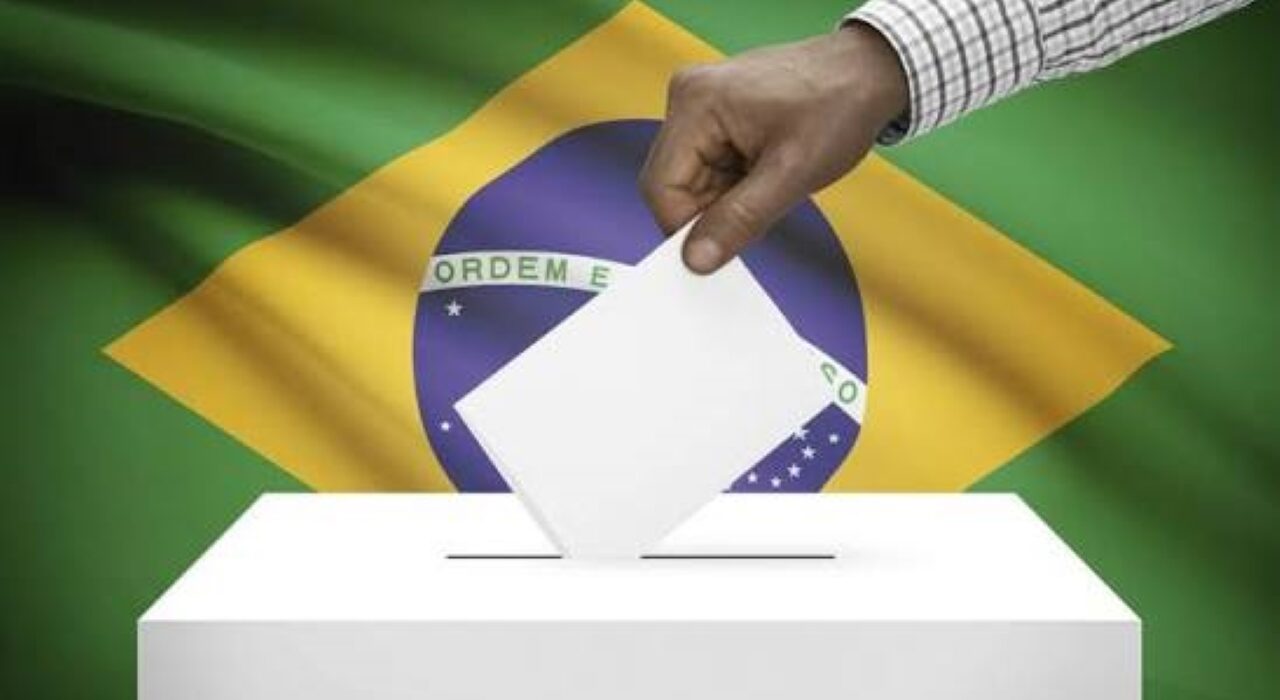
RIO DE JANEIRO, Brazil – Millions of Brazilians headed to polling stations on Sunday, October 25, 2026, for a presidential election runoff between President Luiz Inácio Lula da Silva and Senator Flávio Bolsonaro, a contest carrying major consequences for Latin America's largest economy and relations with the United States.
More than 158.7 million registered voters have the opportunity to determine Brazil's political direction for the next four years. The election follows an exceptionally close first round on October 4, when Bolsonaro defeated Lula by more than 2.2 million votes without securing the absolute majority necessary for victory.
The presidential contest has intensified disagreements over public security, corruption, household debt, economic management and US President Donald Trump's influence across Latin America.
Both candidates voted on Sunday morning. Bolsonaro cast his ballot in Rio de Janeiro, while Lula voted in São Bernardo do Campo, an industrial municipality near São Paulo where his political career began through organised labour.
“The time of real change has arrived,” Bolsonaro told journalists outside his polling station, reinforcing his campaign's argument for a change of government.
Lula thanked supporters for their backing during the final campaign period.
“I will be forever grateful,” the president said after voting.
Brazil's Superior Electoral Court reported 56,104,503 votes for Bolsonaro in the first round, equal to 47.03 percent of valid ballots. Lula received 53,879,538 votes, or 45.16 percent. The difference reached 2,224,965 votes, giving Sunday's turnout and previously undecided voters substantial electoral importance.
The first round attracted approximately 125.3 million voters, representing 78.92 percent of the electorate. More than 33 million registered citizens stayed away, despite Brazil's compulsory voting rules. Electoral officials recorded approximately 2.3 million blank ballots and 3.7 million invalid votes.
Bolsonaro, 45, represents the Liberal Party and serves as a senator for Rio de Janeiro. He seeks the presidency for the first time. His father, former President Jair Bolsonaro, received a criminal conviction over an attempt to overturn the 2022 election. Flávio has promised to pursue amnesty for his father.
Lula, 80, represents the Workers' Party and seeks another four-year mandate. He previously led Brazil from 2003 until 2010 before returning to the presidency in January 2023. His political programme emphasises social transfers, wages, employment and government support for lower-income households.
The candidates differ sharply over criminal justice. Bolsonaro advocates tougher policing, stricter penalties and expanded maximum-security imprisonment. His proposals appeal to citizens concerned about organised crime and personal safety. Lula emphasises social policy while defending his administration's record on employment and inequality.
Household finances have also dominated the campaign. Rising living expenses and debt repayments concern families across the country. Lula's government endorsed debt relief for small businesses and promised free public transport on weekends. Bolsonaro pledged lower food prices and an economic policy friendlier to private investment.
Sunday's polling also follows competing accusations over corruption. Authorities are investigating Bolsonaro over financial transactions involving former banker Daniel Vorcaro. Bolsonaro acknowledged receiving around 12 million US dollars for a proposed film about his father. Investigators are examining suspected corruption, money laundering and tax offences. An investigation does not establish guilt.
Lula's previous corruption convictions also feature in political arguments. Brazilian courts annulled those convictions. Public debate nevertheless continues over accountability, judicial credibility and the conduct of political leaders.
At a polling station in São Paulo, retired healthcare worker Jose Carlos Jarra explained his support for Bolsonaro in three words.
“We need change,” he said.
Other voters cited economic hardship, dissatisfaction with public services and concerns over crime.
Supporters of Lula stressed social protection and the president's long record in organised labour. The contest therefore reflects competing public-policy priorities rather than a single national grievance. Both campaigns face scrutiny over their proposed spending, institutional reforms and economic promises.
The United States occupies an unusually prominent position in this election. Trump has cultivated relations with the Bolsonaro family. Washington imposed a 50 percent tariff on Brazilian products in 2025, partly linking the measure to proceedings involving Jair Bolsonaro. American authorities subsequently eased some restrictions but introduced additional trade measures during 2026.
Lula has criticised American pressure and defended Brazil's sovereign decision-making. Flávio Bolsonaro argues closer cooperation with Washington would improve bilateral negotiations. American officials reject allegations of election interference. The disagreement matters for exporters, manufacturers and investors exposed to tariff changes.
Brazil supplies major international markets with agricultural products and mineral resources. Its trade relationships also involve China, the European Union and neighbouring South American countries. Any change in external policy would affect negotiations over agricultural access, investment rules and industrial supply chains. Businesses will examine official decisions rather than campaign statements alone.
The candidates also offer different approaches to environmental governance. Brazil's Amazon region attracts international attention over deforestation, conservation funding and indigenous land rights. Trading partners increasingly scrutinise supply chains for environmental compliance. Future regulatory choices will influence producers, exporters and communities dependent on forest resources.
The next president will nominate at least three members of Brazil's 11-seat Supreme Court as sitting judges approach retirement. Those appointments give the election consequences beyond fiscal or trade policy. Judicial nominations affect constitutional interpretation, institutional oversight and relations between the executive and judiciary.
Voters are also selecting governors in Acre, Amazonas, Espírito Santo, Rio Grande do Norte and Tocantins, along with the Federal District. Regional races concern infrastructure, policing, education and public administration. Those governments control important services regardless of the presidential result.
The electoral timetable sets a common national voting period from 8 a.m. until 5 p.m. Brasília time. Officials must allow people already waiting at the closing hour to complete their ballots. Brazil uses electronic voting machines, and authorities intend to start releasing results after voting concludes.
For readers outside Brazil, the distinction between ballots cast and ballots counted matters. Campaign claims, exit assessments and partial tallies do not amount to a final declaration. The Superior Electoral Court holds responsibility for reporting the official count and confirming the electoral outcome.
Sunday's runoff follows weeks of campaigning, judicial controversy and international attention. As voters finish casting ballots, their choices will shape Brazil's federal administration, Supreme Court appointments and foreign relations from January 2027. Electoral authorities have not declared a winner.