

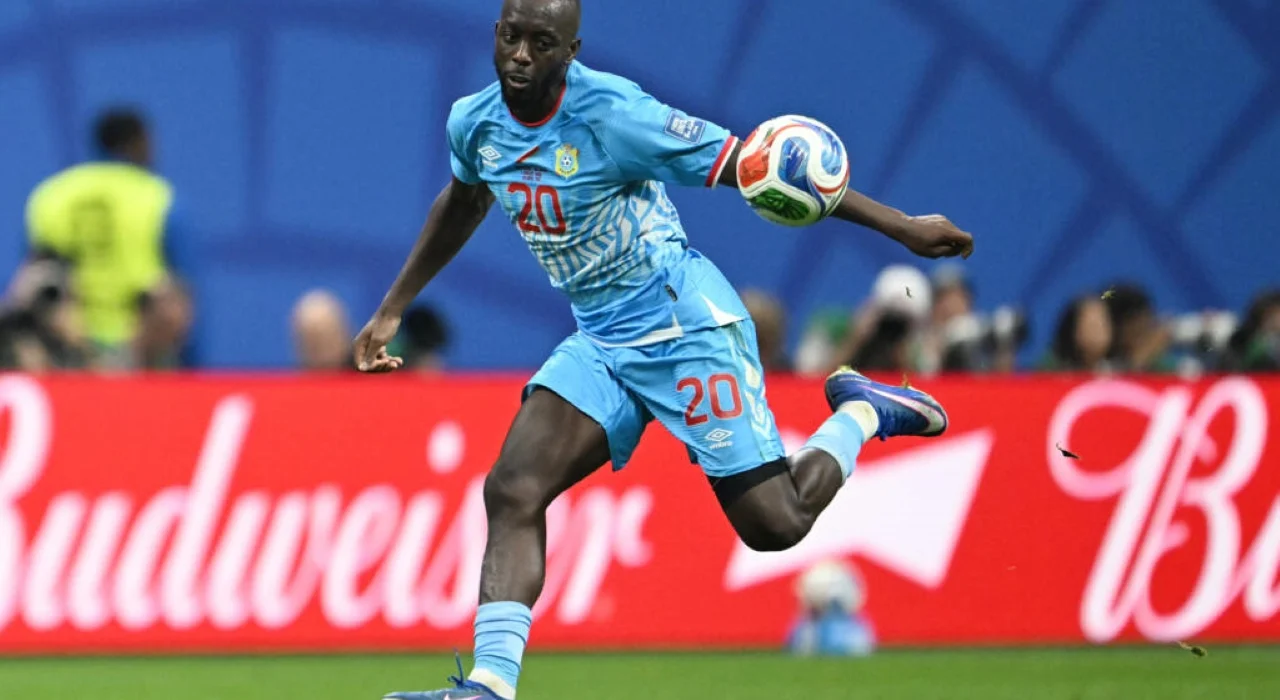
HARARE, Zimbabwe – Zimbabwe’s return to the National Sports Stadium ended in defeat on Monday night as DR Congo beat the Warriors 2-1 in a 2027 Africa Cup of Nations qualifier. Yoane Wissa drove the Leopards forward with a goal and an assist, while Samuel Moutoussamy added the second before Marshall Munetsi struck deep into stoppage time.
The result gave DR Congo six points from two Group E matches and left Zimbabwe on three alongside Equatorial Guinea. Sierra Leone sit bottom without a point. CAF will send the top two teams from Group E to the 2027 finals in Kenya, Tanzania and Uganda, so every remaining fixture now carries greater pressure for Ramon Catala’s side.
Zimbabwe entered the match with confidence after a 3-2 comeback victory over Sierra Leone in Morocco. Munetsi scored twice in El Jadida, with Tawanda Chirewa adding another goal. Harare then prepared for a different occasion. The National Sports Stadium hosted a senior Warriors home international for the first time since November 2021, giving supporters a long-awaited chance to watch their national side on home soil again.
DR Congo quickly imposed a stronger tempo. The Leopards pressed Zimbabwe’s first pass, squeezed central spaces and forced hurried decisions around the home penalty area. Wissa kept moving across the front line, dragging defenders away from their preferred zones and attacking loose balls with speed.
The breakthrough arrived after 30 minutes. Zimbabwe goalkeeper Elvis Chipezeze failed to secure a cross, and Wissa reacted first. The Newcastle United forward controlled the loose situation and finished from close range. For Zimbabwe, the sequence exposed a basic defensive problem. A goalkeeper error created the opening, but the second phase also found too many visiting players ready to attack the rebound.
DR Congo struck again in first-half stoppage time. Wissa found Moutoussamy with a forward pass, and the midfielder finished from inside the box. The goal gave the Leopards a 2-0 interval lead and rewarded a first half built around compact spacing, faster ball circulation and sharper movement between Zimbabwe’s defensive lines.
Wissa also threatened beyond his goal. One first-half effort beat Chipezeze before drifting narrowly wide, and another strike hit the woodwork after the break. Zimbabwe struggled to control his runs from central areas into the channels. His movement forced the centre-backs to make repeated decisions over whether to step out or protect the space behind.
Before kickoff, Catala had rejected any inferiority complex. “We don’t believe ourselves to be a worse team than anyone,” he said. His message carried ambition, but DR Congo’s execution showed the difference between confidence and control during the opening 45 minutes.
Zimbabwe improved after halftime. Catala changed personnel and pushed his side higher. The Warriors pressed with greater aggression, competed harder for second balls and tried to move possession into wide areas earlier. Munetsi advanced from midfield more often, while Zimbabwe sought deliveries into the box instead of circulating possession in harmless zones.
If you watched the second half, you saw a more direct Zimbabwe. The tempo rose. The distances between midfield and attack shortened. DR Congo no longer moved through the middle with the same freedom. Yet the Warriors still lacked enough clean entries into high-value scoring areas. Too many attacks reached the final third without producing a clear final pass or a composed shot.
Munetsi finally scored in the 93rd minute, turning home at the back post from a corner. His goal arrived too late to change the result, but his three goals across Zimbabwe’s opening two qualifiers underline his importance. The Wolverhampton Wanderers midfielder gives Zimbabwe late box arrivals, aerial presence and a scoring threat from set pieces.
DR Congo coach Sébastien Desabre had outlined an aggressive qualification target before travelling to Harare. “We have a clear roadmap,” he said. He also said, “The aim is to secure all 12 points as quickly as possible.” Two matches later, the Leopards hold six points and control Group E.
For Zimbabwe, the defeat does not destroy the qualifying campaign. The bigger issue concerns how the team responds before the November double-header against Equatorial Guinea. Zimbabwe face Equatorial Guinea twice during the November 9-17 FIFA window. Those two matches now carry major weight. Four or six points would place the Warriors in a strong position before the final March fixtures against Sierra Leone and DR Congo.
Catala faces several technical decisions. Zimbabwe need cleaner build-up under pressure. The centre-backs and holding midfielders need better passing angles during the first phase. The full-backs need clearer timing when they advance. The attacking line also needs more coordinated pressing triggers, especially after possession turns over in midfield.
Chipezeze will also face scrutiny after the opening goal. Goalkeepers operate under unforgiving margins in international football. One handling mistake against a forward such as Wissa often becomes a goal. Zimbabwe’s defensive unit must also protect the goalkeeper after spills, deflections and crosses. Rest defence starts before the first contact, not after danger develops.
The Warriors also need more early service for Munetsi and the front line. Zimbabwe looked more dangerous once the team played with forward intent. Direct football does not require aimless long balls. Effective vertical play starts with quick support around the receiver, third-man runs and runners attacking the penalty area before defenders reset.
For supporters, the homecoming still carried meaning despite the score. Zimbabwe finally played competitive senior international football in Harare again. A functioning home venue gives the national team familiar conditions, local support and fewer logistical complications. Results now need to match the renewed access to home advantage.
DR Congo left Harare with the points because they controlled the decisive phases. Wissa punished one error, created another goal and repeatedly stretched Zimbabwe’s defensive structure. Zimbabwe responded after halftime, but the response arrived after too much first-half damage.
Your key measure for the next window should focus on progression rather than emotion. Zimbabwe need points, cleaner defensive concentration and more efficient attacking sequences. Group E still offers a route to AFCON 2027, but the margin for waste has narrowed after Wissa turned Zimbabwe’s homecoming into a difficult lesson.