
World Athletics announced the decision on Tuesday after a council meeting in Budapest. Nairobi defeated London, Rome and Munich for the 2029 edition. Munich received the 2031 championships, while Beijing already holds hosting rights for 2027. The sequence places the sport's flagship event in Asia, Africa and Europe across three consecutive editions.
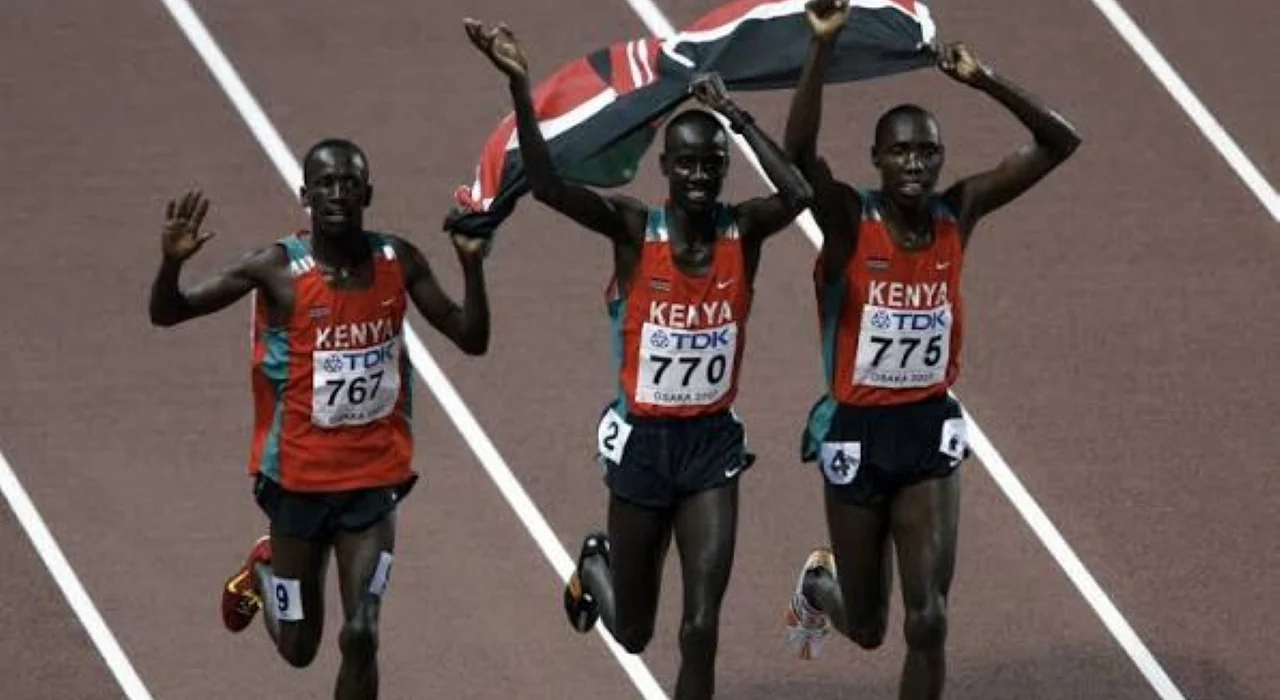
For Kenya, the award carries meaning far beyond a successful hosting bid. Few countries have shaped modern distance running as deeply as Kenya. Kenyan athletes have dominated Olympic races, world championships, major marathons and cross-country competition for generations. Nairobi will now welcome the world's leading sprinters, jumpers, throwers and distance runners onto African soil for the sport's premier outdoor championship.
If you follow African athletics, the imbalance is obvious. African athletes have filled podiums around the world for decades, yet Africa had never hosted the senior World Athletics Championships. Nairobi now ends one of international athletics' longest geographic exclusions.
World Athletics President Sebastian Coe described Nairobi's proposal as a “compelling and emotional bid” and said taking the championships to Africa for the first time would mark a historic moment. He also said Kenya ranks among the great athletics nations and argued Nairobi had shown readiness to drive development across the continent.
The decision rewards persistence. Nairobi previously sought the 2025 championships, but Tokyo secured hosting rights. Kenya returned with a stronger proposal, greater government backing and a major redevelopment programme at Kasarani Stadium. World Athletics noted the improvement when announcing the 2029 award.
Kasarani will sit at the centre of preparations. The stadium already holds a special place in Kenyan athletics and hosted the World Under-18 Championships in 2017 and World Under-20 Championships in 2021. Kenya also hosted the 2007 World Cross Country Championships in Mombasa and the 2010 African Athletics Championships in Nairobi. Those events gave organisers experience before pursuing the senior championships.
A complete Kasarani overhaul is already under way before Kenya, Tanzania and Uganda host the 2027 Africa Cup of Nations. Athletics officials now have an additional deadline and a larger global audience watching every stage of redevelopment.
World Athletics requires a championship stadium with at least 30,000 seats, a Class 1 athletics certificate, a suitable warm-up track and supporting facilities for technical events. The requirements also cover international access, training areas and road courses meeting strict measurement standards.
Kenya's government placed full political support behind the bid. Before the award, authorities pledged infrastructure, security and organisational backing. President William Ruto had also argued for stronger sports facilities and greater investment in athlete development. His government said Kenya needed modern infrastructure to turn sporting talent into livelihoods and wider economic opportunity.
The 2029 championships now create a direct test of those promises.
Hosting rights alone produce no legacy. Kenya must finish stadium work on schedule, improve transport links, manage accommodation, strengthen security, prepare medical systems and deliver reliable event logistics. Nairobi already struggles with traffic congestion. Thousands of athletes, officials, journalists and supporters will place additional pressure on transport corridors during the championships.
If Kenya manages the event well, the return reaches beyond medals. Hotels, restaurants, airlines, transport operators and tourism businesses stand to receive international visitors. Global television coverage will place Nairobi before audiences across every major athletics market. Young Africans will also watch elite athletes compete on their own continent rather than through broadcasts from Europe, Asia or North America.
The psychological value matters. Africa supplies many of the world's greatest runners. Kenya, Ethiopia, Uganda, Morocco, South Africa, Botswana and other African nations regularly send medal contenders to global competitions. African fans have repeatedly watched their champions travel abroad for the sport's largest event.
Nairobi changes the pattern.
A generation of Kenyan children will have an opportunity to watch world champions inside Kasarani. Young athletes from neighbouring Uganda, Tanzania, Ethiopia and farther across Africa will have easier regional access than they would face for championships in Tokyo, London or Beijing. National federations across Africa also gain a nearby platform for coaching exchanges, commercial partnerships and technical development.
The timing carries another distinction. World Athletics plans to move the marathon into a standalone World Marathon Championships from 2030. The marathon therefore stays inside the main World Athletics Championships programme in Nairobi in 2029 before leaving the programme from 2031 onward. Kenya, a global distance-running giant, will host one of the final integrated championship marathons.
Kenya must also treat the event as an African championship in spirit, even while Nairobi serves as host. Organisers should involve regional federations, African suppliers, broadcasters, volunteers and technical officials. A first African World Championships should strengthen sporting capacity beyond one city.
Commercial discipline will matter equally. Major sporting events often attract inflated contracts, rushed construction and procurement disputes. Kenyan authorities need transparent tendering, public expenditure reporting and independent scrutiny. Prestige should never provide cover for waste. Every stadium upgrade and transport project should retain value after the final race ends.
Coe's words place the responsibility clearly on Nairobi. He said the city had reached its moment to accelerate the development of athletics across Kenya and Africa.
Kenya now holds something African athletics has demanded for decades, the right to host the world's best on African soil.
The celebration deserves continental pride. The work starts immediately.
By 2029, fans should see more than a successful ten-day championship. They should see modern facilities, stronger youth pathways, better coaching systems, stronger sports tourism and a model for future African bids across major global events.
Kenya won the vote. Nairobi now has three years to prove Africa belongs at the centre of world athletics, both on the track and in the host's chair.