
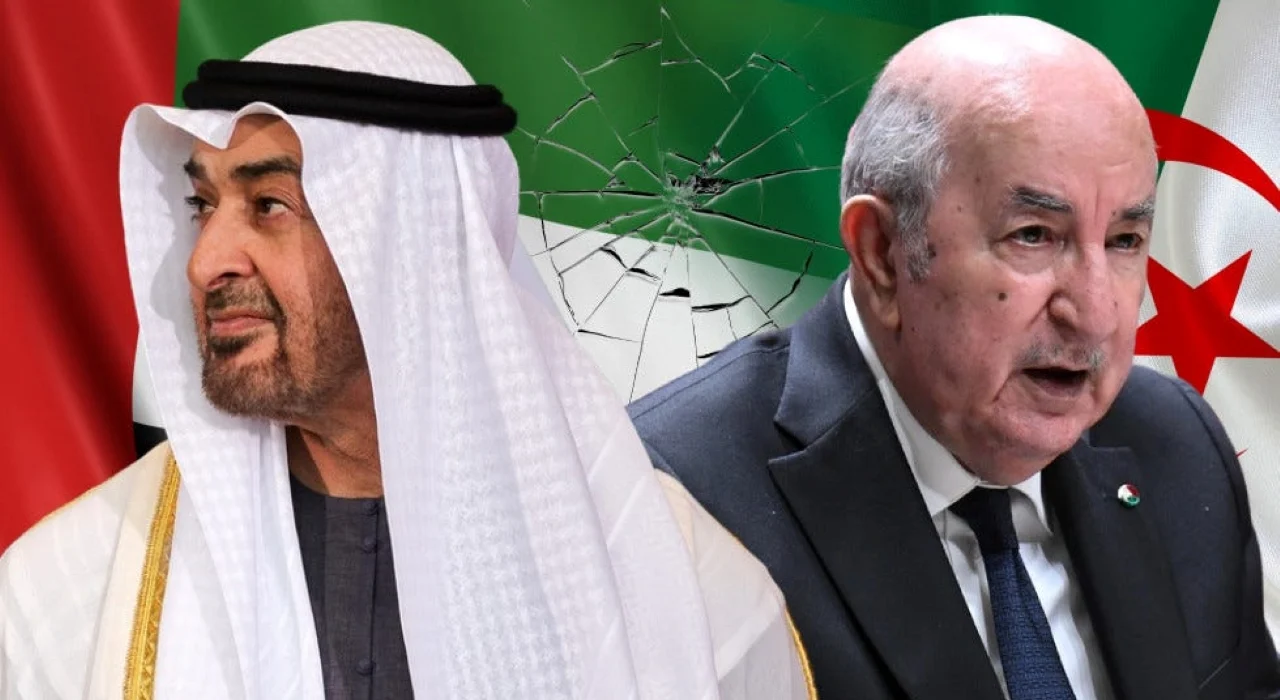
ALGIERS, Algeria – Algeria has severed diplomatic relations with the United Arab Emirates after years of mounting tension, accusing Abu Dhabi of “provocative and hostile actions.” This marks one of the sharpest ruptures between an Arab state in North Africa and a Gulf power in decades. Algeria’s Foreign Ministry said Algiers had exercised restraint, issued repeated warnings and exhausted every avenue for preserving bilateral relations before taking the decision on September 10.
The government summoned UAE Ambassador Yousef Saif Khamis Subaa Al-Ali, formally notified him of the break and gave him 48 hours to comply. Algeria then closed its airspace to UAE-registered civilian and military aircraft. Commercial UAE flights serving Algiers received an exemption until the end of 2026. These measures show Algiers wants more than a symbolic diplomatic protest. Algeria has begun dismantling practical links built across five decades of relations.
Algiers has not disclosed the immediate trigger. Algeria’s official statement named no single incident. The wording instead described a pattern of conduct which Algiers no longer considered acceptable between sovereign states. Reuters reported tensions had already worsened over competing positions involving Morocco, Western Sahara, Israel and the Sahel.
President Abdelmadjid Tebboune had prepared the ground publicly. During a July television interview, Tebboune attacked an unnamed “statelet” over regional interference and said, “Wherever they set foot, blood flows.” He added, “We want them to stay away, so blood does not flow in our country.” Algerian observers widely read the comments as directed toward the UAE. Tebboune also said Algeria had resisted a diplomatic break to avoid worsening divisions across the Arab world.
Western Sahara sits near the centre of the dispute. Algeria backs the Polisario Front and supports Sahrawi self-determination. The UAE backs Morocco’s sovereignty claim over the territory and in 2020 became the first Arab country to open a consulate in Laayoune, inside Moroccan-controlled Western Sahara. For Algiers, Emirati support for Rabat touches one of Algeria’s most sensitive strategic disputes.
Morocco and Algeria severed diplomatic relations in 2021 and remain locked in deep rivalry. Their land border has stayed closed for decades. Algeria views Western Sahara through national security, regional balance and anti-colonial politics. Abu Dhabi’s close defence, economic and political relationship with Rabat therefore places the UAE on the opposite side of a dispute Algiers treats as fundamental.
Israel creates another fault line. The UAE normalised relations with Israel through the Abraham Accords in 2020. Morocco restored formal ties with Israel later that year. Algeria rejects normalisation and maintains strong support for the Palestinian cause. Relations between Morocco and Israel have since expanded across security, trade and defence, sharpening Algerian suspicion toward the wider alignment involving Rabat, Abu Dhabi and Jerusalem.
The Sahel adds another layer. Algeria traditionally treats Mali, Niger and the wider Sahara as a strategic security zone. Algiers has spent years mediating conflicts, managing border threats and resisting foreign military influence near its southern frontier. The UAE has expanded political and security relationships across parts of the Sahel. Algeria increasingly views external competition there as a direct national security issue.
Algerian criticism has also focused on Libya and Sudan. Tebboune has accused the unnamed Gulf state of contributing to instability across several African conflicts. The UAE denies accusations of harmful interference and rejects claims of support for forces accused of destabilising regional states. Sudan has separately accused Abu Dhabi of backing the Rapid Support Forces during its civil war. The UAE denies those allegations.
Abu Dhabi answered Algeria with restraint. The UAE Foreign Ministry expressed hope for a temporary rupture and stressed respect for the Algerian people, including Algerians living in or visiting the Emirates. Presidential adviser Anwar Gargash wrote after the announcement, “Diplomatic relations should be based on rationality, communication and clarity of interests,” rather than “riddles and signals requiring decoding.” He did not name Algeria directly.
The break carries significance across Africa because both countries pursue influence well beyond their borders. Algeria remains a military heavyweight, a major gas supplier and one of Africa’s largest states. The UAE has built an extensive network of ports, investments, security partnerships and political relationships across the continent. Their confrontation now brings two different regional strategies into open conflict.
If you look beyond the formal statements, the clash reflects a wider contest over who shapes North Africa and the Sahel. Algeria prefers a regional order built around state sovereignty, non-interference and its own historic security role. The UAE pursues an activist foreign policy built around investment, commercial infrastructure, security partnerships and close relationships with selected governments. Friction grows when both strategies meet in the same countries.
The rupture also sends a message to Morocco. Algeria sees Abu Dhabi’s support for Rabat as part of a broader strategic alignment working against Algerian interests. Cutting ties tells other governments Algiers now attaches a diplomatic price to actions involving Western Sahara and regional security.
The decision also carries economic costs. Emirati businesses have operated in Algeria across logistics, industry and investment. Travel links connect Algerian residents, visitors and commercial interests with the Gulf. Closing airspace and removing ambassadors raises transaction costs and weakens official channels for resolving business disputes. Neither government benefits economically from a prolonged freeze.
Diplomatic history makes the breakdown more striking. Algeria and the UAE established relations in 1976. Algeria stood among early states recognising the Emirati federation. Past governments promoted cooperation across trade, investment and regional diplomacy. Five decades later, competing security visions have overwhelmed those ties.
Algeria now risks deeper regional polarisation. Strong diplomatic action signals resolve, yet fewer communication channels also raise the risk of miscalculation. The UAE retains major financial resources and extensive partnerships across Africa. Algeria retains geographic weight, military capability, energy influence and historic diplomatic networks. A sustained confrontation would push neighbouring states toward difficult choices.
Abu Dhabi also faces questions over growing friction with several African governments. Somalia cancelled agreements with the UAE earlier in 2026 amid disputes over sovereignty and Emirati ties with Somaliland. Sudan has repeatedly accused Abu Dhabi of aiding the RSF, accusations the UAE denies. Algeria’s decision adds another major state to the list of governments openly challenging Emirati regional activity.
For African governments, the lesson reaches beyond Algeria and the UAE. Foreign investment and security partnerships carry political consequences when outside powers compete for strategic access. Ports, defence agreements, mineral projects and diplomatic support often arrive alongside geopolitical interests.
Algeria has now made its judgement. Algiers believes UAE conduct crossed a line and chose rupture over further warnings. Abu Dhabi says reconciliation remains desirable.
The unanswered question concerns duration. A short crisis still leaves room for mediation. A prolonged break risks redrawing alliances across North Africa and the Sahel.
For now, one fact stands clear. A relationship built over 50 years has collapsed, and the dispute extends far beyond two foreign ministries. Western Sahara, Morocco, Israel, the Sahel and competing visions of African influence now sit inside one of the Arab world’s most serious diplomatic confrontations.