

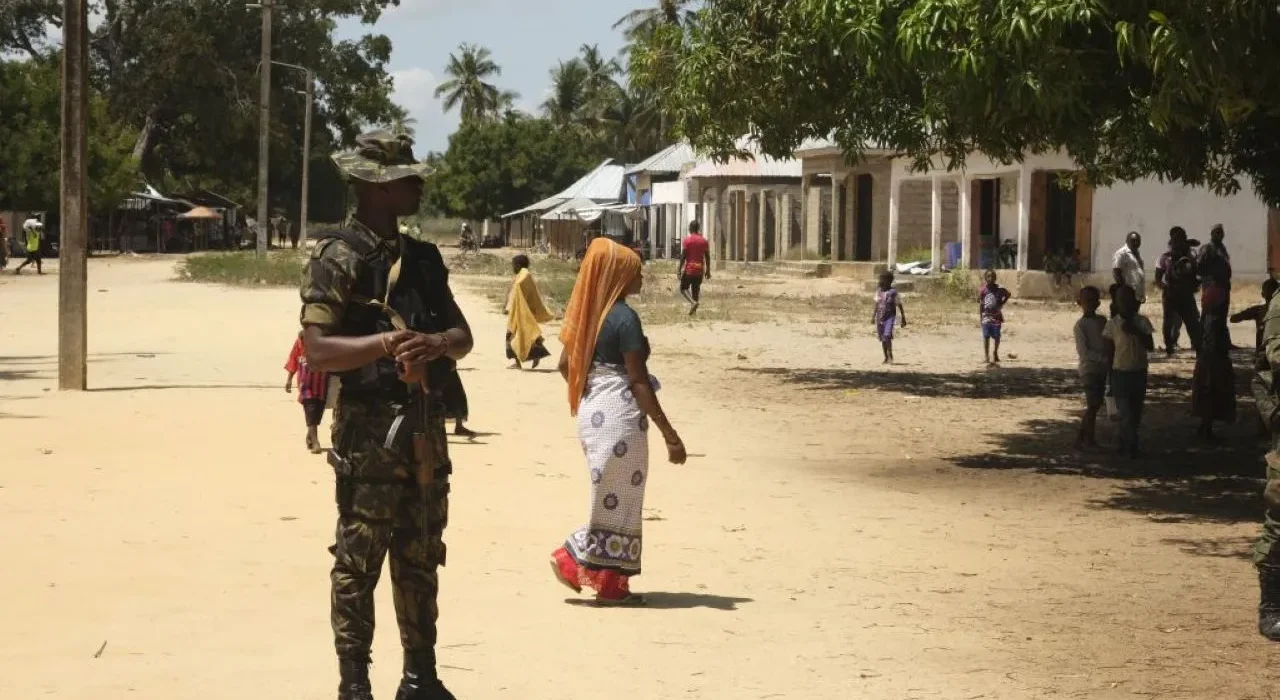
MAPUTO, Mozambique – The United States has sharpened its warning for northern Mozambique, placing all of Cabo Delgado Province, Niassa Special Reserve, and Memba and Eráti districts in Nampula under Level 4, “Do Not Travel,” over terrorism and kidnapping threats. The advisory, issued on August 21, 2026, says armed extremists have attacked villages, roads, government forces and high-end hunting lodges. Foreign visitors face hostage-taking, ambushes and attacks without warning.
One distinction matters. Washington did not raise the alert for the whole of Mozambique. The country stays at Level 2, “Exercise Increased Caution.” The new wording gives greater prominence to terrorist threats in defined northern zones. Treating Maputo, Inhambane or the Bazaruto islands as equal to an active conflict area would mislead travellers and punish businesses far from the fighting.
The Level 4 map is still broad. Every part of Cabo Delgado falls under the US warning, including Pemba, Palma and the Afungi gas zone. Niassa Province as a whole does not. Only Niassa Special Reserve carries the highest US alert there. In Nampula, the warning covers Memba and Eráti districts. Anyone planning a northern journey needs district-level information, not a general tourism brochure.
Niassa shows why Washington chose forceful language. The reserve covers about 42,000 square kilometres, close to one-sixth of Ghana’s land area. Lions, elephants, African wild dogs and other wildlife support conservation work and expensive safari operations. Remoteness, limited roads and weak communications also create serious security gaps.
During attacks in April 2025, militants killed at least 10 people around the reserve. Two anti-poaching scouts died in one assault. Two carpenters were beheaded at a safari camp, while six soldiers died in another attack. Nine conservation and safari camps were abandoned. A settlement of around 2,000 people emptied as residents fled.
“Visitors won’t come,” conservationist Colleen Begg warned after the violence. Her words captured the immediate economic damage. Safari workers lost income. Conservation teams stopped field operations. Local traders lost customers. Abandoned posts also weakened protection for wildlife across a huge border region.
The threat returned during August 2026. Armed Conflict Location and Event Data reported a renewed militant push towards Niassa Special Reserve, the second major incursion since April 2024. Mozambican forces confronted Islamic State Mozambique fighters at least four times on the Cabo Delgado side of the reserve. At least 20 fighters died, including 16 near the Shamba Kubwa gold mines. Rangers and tourism operators supported security forces with local knowledge and aerial tracking.
Such cooperation produced a stronger response, but armed clashes near safari routes still carry grave risks. ACLED links mining areas to insurgent income through extortion, ransom and access to gold. Remote tourism businesses face the same problem as rural communities. Distance from a provincial capital leaves workers, visitors and residents exposed when armed groups move through forests and villages.
The insurgency began in Cabo Delgado in 2017. Fighters are often called al-Shabaab locally, but the movement is separate from the Somali organisation bearing the same name. The group later aligned with Islamic State. Raids have included village burnings, kidnappings, beheadings and attacks on roads. Mozambican and Rwandan forces have regained key territory since 2021, yet smaller militant units continue to move across rural districts.
Travel warnings sit on top of a much larger African emergency. Latest United Nations refugee data lists 661,532 internally displaced people in Mozambique and 721,691 returnees affected by conflict and disasters. A June 2026 humanitarian report recorded more than 20,875 new displacements during the preceding weeks. Tourists lose holidays and deposits. Mozambican families lose homes, schools, farms and relatives.
Other governments draw similar danger zones, though their maps differ. Britain advises against all travel to most of Cabo Delgado, Memba and Eráti. Britain permits only essential travel around Pemba, Palma and Afungi. Canada advises against all travel to Cabo Delgado outside Pemba, where non-essential travel is discouraged, and issues severe warnings for northern Nampula and parts of Niassa.
Australia places Cabo Delgado, Memba and Eráti under “Do Not Travel,” while asking citizens to reconsider journeys to Marrupa and Mecula in Niassa. South Korea has maintained a red alert for Cabo Delgado since 2018, telling citizens to cancel or postpone travel. Seoul’s position is long-standing, not a fresh 2026 escalation.
These differences matter for airlines, insurers, tour operators and African travellers. A warning from one government does not close a border, but Level 4 language often leads companies to refuse cover or withdraw services. Northern safari tourism represents a smaller, high-spending segment, supporting guides, cooks, drivers, rangers, suppliers and community projects.
Foreign advisories also influence Mozambique’s international image. Officials should challenge errors, yet denial serves nobody. The best defence is credible security, regular district-level incident data and honest communication about safe and unsafe areas. A blanket claim of national safety insults northern victims. A blanket claim of national danger destroys jobs in peaceful provinces.
For Ghanaian and other African readers, the lesson reaches beyond one country. Armed violence in a remote conservation area still affects jobs, investment, public revenue and national reputation. Weak services and limited state presence give extremist networks room to recruit, tax illegal trade and terrorise civilians. Military action matters, but protection also requires functioning schools, clinics, roads, courts and accountable local government.
Maputo and regional partners should protect civilians, reopen aid routes, secure transport corridors and support reporters working near the conflict. Safari companies also owe staff clear evacuation plans, communications equipment and fair compensation. Conservation must never place foreign visitors above African workers and nearby communities.
If you are planning travel, check the latest advisory from your own government before paying. Confirm whether your route enters Cabo Delgado, Niassa Special Reserve, Memba or Eráti. Avoid informal road travel after dark. Arrange professional security and independent evacuation plans for any essential journey into a high-risk zone.
The latest US notice is not an attack on Mozambique. The notice records a security failure whose main victims are Mozambicans. Restoring northern tourism starts with restoring safety for the people who live there. Until residents travel, work and sleep without fear, luxury lodges should never be presented as secure islands inside a conflict zone.