

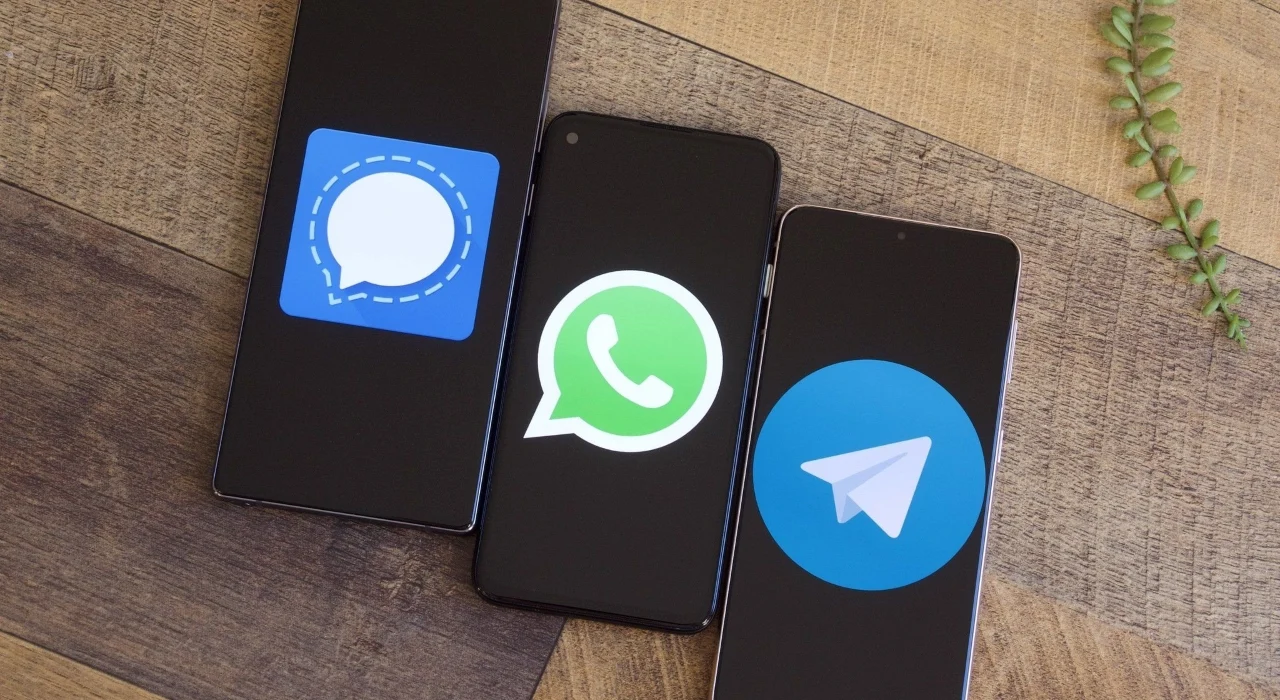
LAGOS, Nigeria – WhatsApp has become the basic communications infrastructure across much of Africa, Asia and Latin America. Families use the service instead of SMS. Small companies use the service as a reception desk. Shops take orders through chats. Schools, churches, landlords, tradespeople and customers rely on one telephone number for daily life.
A growing wave of account restrictions now exposes the danger of placing so much social and commercial activity inside one Meta platform.
On August 3, WhatsApp acknowledged an enforcement failure after users suddenly found accounts blocked and placed under review. TechCrunch reported complaints across X and Threads from people engaged in ordinary work and personal chats. Meta responded by restoring affected accounts. A company spokesperson admitted, “Sometimes we get this wrong.”
The admission matters. Users had spent months describing the same pattern before Meta publicly acknowledged one incident. Accounts receive spam or safety restrictions. Owners request review. Access returns hours later. A normal message to a new contact, a desktop login or another ordinary action triggers another restriction.
Reddit has become an unofficial complaint desk for the problem. One July user described suspension within seconds of messaging a new contact, followed by reinstatement and another suspension. Another account holder reported five consecutive restriction cycles after normal activity. A Zimbabwe user wrote on August 26 about three bans in ten days and repeated six-hour verification delays. A business owner said repeated restrictions had disrupted access to thousands of customers after years of spending heavily on Meta advertising.
Those posts do not prove every account holder followed WhatsApp rules. Reddit testimony is anecdotal. The volume, similarity and timing deserve attention because Meta itself has already acknowledged wrongful enforcement during the August incident.
Brazil provides stronger evidence of widespread frustration. Consumer complaint platform Reclame Aqui recorded 8,150 WhatsApp complaints from February through July 2026. Its WhatsApp profile showed zero percent of those complaints answered and rated the company “Not recommended.” Recent submissions repeatedly describe unexplained suspensions, repeated review cycles and loss of professional access. One August complaint said every attempt to contact a new number triggered another automatic block.
India shows the scale of WhatsApp enforcement. The company banned 5,470,958 Indian accounts in April 2026. More than 1.34 million were removed proactively before a user filed a complaint. India is WhatsApp’s largest market, with more than 500 million users.
Meta has strong reasons to fight fraud. Criminal scam centres operate across borders. WhatsApp said its teams removed 6.8 million accounts linked to scam centres during the first half of 2025. Meta has since expanded anti-scam systems across Facebook, Messenger and WhatsApp using advanced AI and behavioural signals.
The problem starts when anti-fraud enforcement treats legitimate behaviour like criminal behaviour and gives innocent users weak routes to challenge a decision.
WhatsApp’s own help pages say a banned user normally gets one review route. If the review option disappears, the ban becomes final. During a ban, the owner loses access to chat history and backups. For a family account, this hurts. For a small company whose bookings, invoices, customer history and supplier contacts live inside WhatsApp, such a decision creates immediate financial damage.
Meta has also started testing an optional machine-learning Scam Alert feature. The model runs on the user’s device and analyses incoming messages from non-contacts. Meta says message content does not leave the device for classification and the system does not automatically report messages. This feature differs from account enforcement. Public evidence does not establish AI as the direct cause behind every wrongful ban.
Meta still uses automated detection across its services at enormous scale. Users therefore deserve transparency about signals behind suspensions, human review standards, error rates by country and a serious appeal process.
Claims about links need similar discipline. Reports exist from users who experienced restrictions after sending links, contacting new numbers, running Facebook ads connected to WhatsApp or using WhatsApp Web. One Reddit business owner said a Facebook advertisement directed customers into WhatsApp before bans hit both services. No independent evidence proves clicking a link from a verified Facebook page alone automatically causes a WhatsApp ban. Meta should publish enough technical information to settle the question.
The burden lands heavily outside North America and Western Europe because WhatsApp functions as infrastructure in many emerging markets. More than three billion people across over 180 countries use the service. No public dataset proves false bans happen more frequently in poorer countries. Dependence makes the consequences harsher. Losing WhatsApp in Zimbabwe, India or Brazil often means losing a primary business number, customer channel and family communication system at once.
Security concerns add another reason to reconsider blind dependence.
The United States House of Representatives banned WhatsApp from House-issued devices in June 2025. Its cybersecurity office labelled the service “high risk” and cited limited transparency around data protection, stored data concerns and broader security risks. Officials recommended Signal among approved alternatives. Meta rejected the assessment and stressed default end-to-end encryption.
The Swiss Army went further in 2022 by banning WhatsApp, Signal and Telegram for military use and moving personnel toward Swiss service Threema. France instructed ministers and cabinet staff in 2023 to stop using WhatsApp, Telegram and Signal for official work and move toward French messaging service Olvid.
China and North Korea block WhatsApp, while Russia now blocks the service after earlier restrictions. Those examples should not be misrepresented as independent security audits. Political control, censorship, law-enforcement access and state technology policy play major roles.
For ordinary users seeking an exit, Signal offers the strongest privacy argument. Signal says every message and call uses end-to-end encryption by default. Its client and server code is open for inspection. The nonprofit says no ads or trackers support the service.
Telegram offers huge groups, channels, cloud access and broad international reach. Users seeking maximum confidentiality need one warning. Standard Telegram cloud chats do not use end-to-end encryption. Secret Chats do. A move from WhatsApp to Telegram therefore does not automatically improve message privacy.
The deeper lesson concerns dependence.
A communications service used by three billion people should provide more than a button marked “Request review.” A company able to remove a person’s commercial identity within seconds needs meaningful explanations, accountable appeals and human escalation for disputed cases.
Businesses should start diversifying now. Keep customer email addresses. Maintain a website contact form. Publish Signal or Telegram details. Store critical records outside messaging apps. Never allow one automated enforcement decision to disconnect your entire operation.
WhatsApp still offers enormous reach and strong end-to-end encryption for personal messages. Its scale also gives Meta enormous power over daily communication.
The present ban complaints show what happens when platform power grows faster than user rights.
Meta built WhatsApp into infrastructure. Meta now needs to govern enforcement like infrastructure, with transparency, reliability and due process.
Until then, users should stop treating one WhatsApp number as permanent property. Meta controls the switch.