

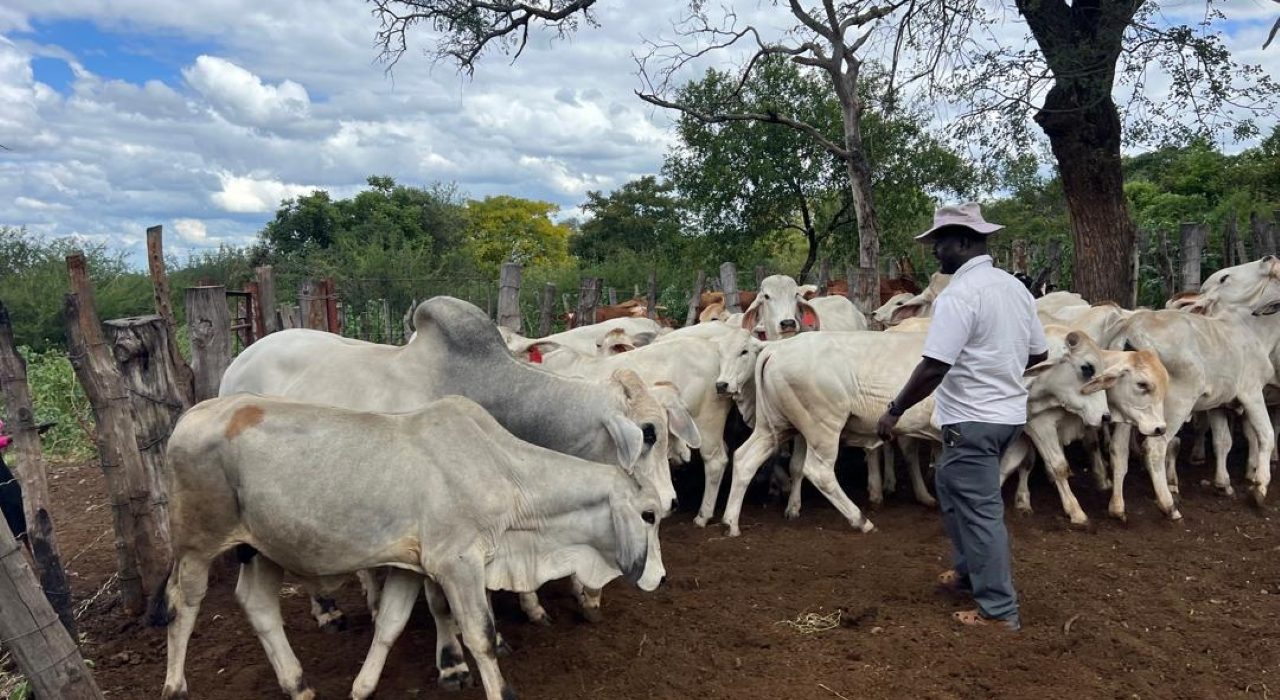
HARARE, Zimbabwe – Zimbabwean cattle farmers are increasing purchases of American bovine genetics as Harare and Washington shift part of their agricultural relationship from aid toward trade, technology and commercial breeding.
The United States Embassy in Harare said imports of U.S. bovine genetics into Zimbabwe rose 35 percent during 2026. The embassy linked the increase to rising demand for stronger herd performance, better reproductive outcomes and higher productivity. U.S. bovine genetics exports reached US$482 million globally in 2025, according to Ambassador Pamela Tremont and American livestock industry representatives.
The latest push follows the Southern Africa Livestock Genetics Roadshow, organised by the U.S. Department of Agriculture Foreign Agricultural Service and U.S. Livestock Genetics Export. The regional programme brought American specialists into contact with farmers, breeders, government officials and agricultural businesses in Zimbabwe, Zambia and Namibia. USLGE confirmed Zimbabwe formed part of its wider Southern African market assessment.
For Zimbabwe, the interest arrives at an important point. Government statistics put the national beef cattle herd at 5,760,678 animals in 2025, up only 0.3 percent from 5,741,397 in 2024. The dairy herd performed better, rising 7.5 percent to 70,584 animals. Commercial raw milk production increased 6.2 percent to almost 122 million litres.
Those numbers show why genetics now sit near the centre of livestock policy. Zimbabwe wants more cattle, but farmers also need animals producing more beef or milk from available land, feed and water.
The U.S. Embassy presented American genetics as one part of the answer. In its latest message, the embassy said stronger genetics improve herd health, productivity and food security. Earlier this month, Tremont said Zimbabwean purchases showed growing confidence in U.S. breeding stock.
“Today, this partnership is entering a new phase,” Tremont said during a Zimbabwe Genomic Pilot Insights Session in Harare. She described a commercial relationship focused on investment, science and shared business activity.
The session also brought attention to Kraal-Gen Analytics, a Zimbabwean agricultural technology company working with U.S. company AgBoost. The partnership gives breeders access to genomic analysis and herd data tools. Genomic testing studies an animal’s DNA and helps breeders identify traits linked to fertility, growth, milk production and other commercial qualities before traditional observation provides a full record.
Kraal-Gen managing director Shamiso Masuka said breeders seek higher productivity and profitability from every herd. Her company combines genetic information with farm performance records so producers make breeding choices using measured data rather than appearance alone.
Agriculture Ministry permanent secretary Obert Jiri has also backed wider use of science in livestock production.
“The collaboration between innovators, researchers and producers creates an important pathway for translating scientific knowledge into practical solutions,” Jiri said at the genomic session.
Zimbabwe already operates domestic cattle breeding programmes. In February, government started a national artificial insemination programme and trained veterinary, research and agricultural extension officers at Matopos Research Institute. Officials want farmers, including communal producers, to gain access to superior genetics without purchasing expensive breeding bulls.
Government later set a target of 100,000 cattle artificial inseminations each year. Agriculture Minister Anxious Masuka said authorities want broader access to elite genetics while strengthening Zimbabwe’s established Tuli, Mashona and Nguni bloodlines.
American genetics therefore enter an existing national breeding programme rather than starting one from zero.
For farmers, the commercial question goes beyond pedigree. Superior semen or embryos will not rescue cattle kept without enough feed, water, vaccines or veterinary support. Genetics express value through good management.
Zimbabwe still faces livestock diseases including January disease, lumpy skin disease and foot-and-mouth disease. A 2026 disease update identified illegal cattle movements, inadequate vaccine supplies, delayed detection and weak livestock identification among drivers of foot-and-mouth outbreaks. FEWS NET also warned livestock disease would reduce household income in affected areas despite improved pasture conditions during 2026.
Government’s National Development Strategy 2 recognises the same problem. The plan says smallholder farmers hold about 80 percent of the country’s livestock. NDS2 calls for stronger disease surveillance, sustainable rangeland management, expanded feedlots and wider animal health services.
This smallholder share makes access the decisive issue.
If imported genetics remain concentrated among wealthy commercial breeders, national productivity gains will stay limited. If extension officers, artificial insemination technicians and farmer groups spread quality genetics through communal areas, the programme offers a broader economic effect.
Cost also deserves attention. Farmers need transparent prices for semen, embryos, testing, insemination, veterinary services and follow-up support. A breeding decision only makes commercial sense when projected gains exceed total costs across several production cycles.
Zimbabwe also needs to protect local genetic strengths. Indigenous breeds such as Mashona, Tuli and Nguni cattle carry traits shaped by local heat, disease pressure, forage conditions and water stress. Import programmes should improve selected production traits while preserving resilience suited to Zimbabwean conditions.
Chinhoyi University of Technology already runs cattle breeding services involving artificial insemination, embryo transfer, semen collection and pregnancy diagnosis. Its programme aims to expand farmer access to superior genetics while improving reproductive efficiency.
The American roadshow therefore gives Zimbabwe another source of breeding material, expertise and competition. U.S. Livestock Genetics Export represents dairy, beef, swine, horse, goat, sheep, embryo and semen industries. The organisation says members supply genetics to international producers and provide technical support alongside sales. Its latest Southern African programme included Zimbabwe as part of a wider regional market assessment.
For Washington, the strategy also serves American exporters. Zimbabwe represents a growing market, and a 35 percent rise in bovine genetics imports gives U.S. suppliers a commercial reason to deepen engagement.
For Zimbabwe, success needs a different measurement. Do not judge the programme by imported doses, embassy events or trade figures alone. Judge results by conception rates, calf survival, milk yields, growth rates, disease resistance, farmer income and the cost of producing each kilogram of beef or litre of milk.
Better genetics offer farmers another production tool. Strong veterinary systems, nutrition, water, record keeping and market access determine whether farmers turn genetic potential into higher income.
Zimbabwe now has access to more breeding technology and a wider pool of international genetics. The next test belongs on the farm, where measurable productivity must justify every dollar spent.