
TEHRAN, Iran – Iran now faces pressure from three directions at once. Shipping through the Strait of Hormuz has started rising from war-time lows. Oil income has collapsed under blockade and sanctions. Senior elected leaders in Tehran are publicly warning about the economic price of keeping the war going.
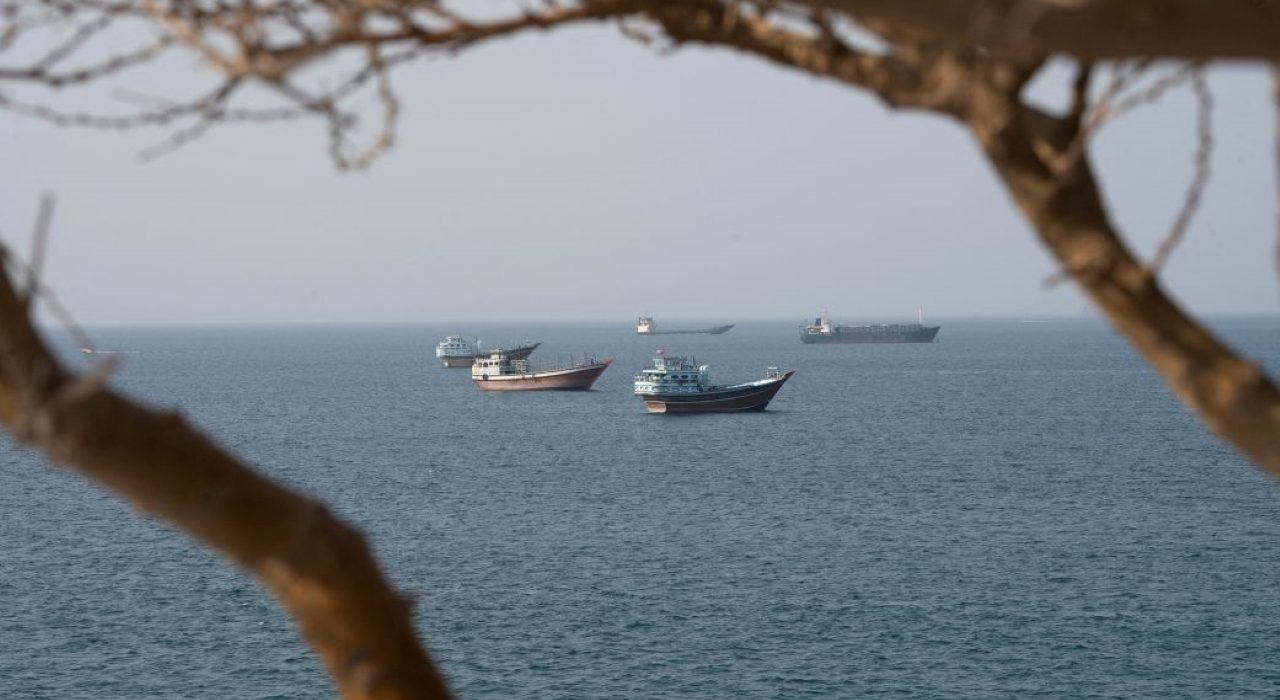
The first pressure point sits at Hormuz. Kpler data reported by Reuters show 103 commodity vessels entered the strait and 89 exited during the week ending August 21. The total of 192 crossings marks a sharp rise from the depressed traffic seen two weeks earlier. Yet the recovery needs context. Reuters says traffic still stands roughly 90 percent below pre-conflict levels, and fewer than 20 commodity vessels crossed over the latest weekend. Some ships also travel with transponders switched off, leaving gaps in public tracking data.
For Tehran, even partial movement matters. Iran built much of its wartime leverage around control of a waterway which handled close to one fifth of global crude oil and liquefied natural gas shipments before fighting began. Washington now escorts shipping and supports alternative passage arrangements. Axios reported a U.S. military operation moving 15 to 20 tankers through Hormuz on some nights. Kpler, meanwhile, says the route still operates far below normal capacity.
This creates a strategic problem for Iran. Closing Hormuz hurts adversaries, raises energy prices and gives Tehran bargaining power. Reopening even part of the route reduces one of Tehran's strongest sources of pressure. At the same time, continued attacks on ships raise insurance costs, frighten major carriers and increase pressure from Gulf neighbours.
The second pressure point comes from oil. Iran's Central Bank governor has said oil exports have effectively fallen to zero under war conditions and sanctions. Physical cargo data present a more complicated picture. Kpler recorded Iranian crude loadings at about 156,000 barrels per day through August 17, down from 893,000 barrels per day in July. Separate Kpler figures showed Chinese imports of Iranian oil averaging about 534,000 barrels per day in August, partly reflecting cargo already outside the blockade zone. The direction is clear even where measurements differ. Fresh Iranian export flows have fallen sharply.
Oil finances more than foreign policy. Export earnings provide foreign currency, support government spending and help Tehran pay for imports. When oil revenue contracts, pressure spreads into salaries, pensions, subsidies, exchange rates and basic goods. President Masoud Pezeshkian has acknowledged financial strain inside government. He said authorities face funding constraints while the maritime blockade disrupts imports and exports.
The UAE has added another layer of pressure. On August 19, Gulf News reported Abu Dhabi suspended trade and financial transactions with Tehran after detecting missiles launched from Iran. Reuters also reported a UAE embargo in its regional conflict coverage. The move matters because the Emirates has long served as a major commercial and financial link for Iranian businesses. Losing access to such a hub narrows Tehran's channels for trade, payments and re-export activity.
Washington now wants to deepen the squeeze. U.S. Treasury Secretary Scott Bessent has promised what he called the “greatest financial offensive ever marshalled” against Iran. The planned measures target countries and companies which keep doing business with Tehran. President Donald Trump has also warned trading partners about penalties. China has rejected coercive pressure and continues to argue for diplomacy, which gives Iran an important external partner, though even Chinese shipping groups have reduced exposure to Hormuz.
The third pressure point is political, and this one comes from inside Iran.
Pezeshkian said on August 21, “The war must end at some point.” His argument frames negotiations as a decision made from strength rather than surrender. He also defended the June memorandum with Washington as honorable.
Parliament Speaker Mohammad Bagher Ghalibaf went further by linking national survival directly to economic performance. During a visit to Baghdad, he warned, “if people are hungry and we lack financial turnover, economic growth, and national production, we will not survive.”
Those words matter because Ghalibaf is no outsider demanding compromise from abroad. He sits near the centre of Iranian power and serves as a leading figure in Tehran's dealings with Washington. His statement places economic security beside military security.
Hardliners disagree. Revolutionary Guard aligned media have criticised calls for ending the conflict, arguing such language signals weakness. Iranian military officials continue to threaten retaliation, while Foreign Minister Abbas Araghchi has dismissed Washington's new economic campaign as “desperate.” Tehran also says Hormuz will stay restricted until Washington lifts sanctions, removes its blockade and releases frozen Iranian assets.
So Iran is not defeated, and describing the strait as fully reopened would overstate current evidence. Tehran still holds missiles, armed forces, regional relationships and the ability to threaten shipping. Hormuz traffic sits far below normal. Oil prices remain elevated. Washington also faces economic and political costs from a long conflict.
Yet the balance of pressure has shifted. Iran now needs military leverage to produce economic relief, while Washington is trying to separate those two assets. More ships moving through Hormuz weaken Tehran's ability to hold global energy traffic hostage. Lower oil exports drain foreign currency. UAE restrictions narrow commercial routes. Public warnings from Pezeshkian and Ghalibaf show economic endurance has entered the leadership debate.
If you want to understand Tehran's next move, watch fewer missiles and more balance sheets. Follow crude loadings, shipping traffic, foreign exchange access, wage payments and trade with Gulf neighbours. Those figures will show whether Iran still possesses enough economic room to keep fighting on its preferred terms.
Iran still has weapons. The harder question now concerns whether Tehran still has enough money, trade access and political unity to turn those weapons into a favourable exit.