

GABORONE, Botswana – Anglo American has selected the Global Diamond Consortium as preferred bidder for its 85 percent holding in De Beers, placing Africa closer to a major ownership shift inside the global diamond industry.
Botswana’s Minister for State President, Defence and Security, Moeti Mohwasa, announced the decision in Parliament on Friday. He said Anglo ran a competitive process involving three shortlisted bidders before choosing the consortium. Mohwasa welcomed its proposal to involve Angola and Namibia. Anglo has confirmed progress in the sale process but has not publicly named a final buyer or disclosed a price.
The Financial Times reported former De Beers chief executive Gareth Penny leads the preferred group. Penny ran De Beers from 2006 to 2010 and now chairs asset manager Ninety One. Botswana’s official statement did not disclose consortium partners, so Penny’s leadership remains a reported detail rather than a completed corporate announcement.
Botswana owns the remaining 15 percent of De Beers and holds pre-emptive rights over Anglo’s stake. Gaborone now has several choices. Government might join the preferred consortium, buy Anglo’s holding alone, or form another partnership. Mohwasa said Botswana had “complete freedom” to pursue any of those routes. Financial advisers are assessing the strongest structure before ministers approve a final position.
The transaction is expected during the final quarter of 2026, subject to Botswana’s approval and other conditions. Preferred-bidder status does not equal a completed sale. Funding, valuation, governance, regulatory clearance, operating control, and national participation still require agreement.
Africa should welcome the prospect of African diamond-producing states holding greater control over De Beers. Botswana, Namibia, Angola, and South Africa supply stones, labour, infrastructure, water, electricity, and mining rights. For over a century, much of the branding, pricing influence, trading power, and high-value retail income sat beyond mining communities.
An African-led ownership structure offers a chance to change this imbalance. The group should place sorting, valuation, cutting, polishing, jewellery production, finance, technology, and marketing closer to producing countries. Ownership without downstream industry would replace shareholders while preserving an old extraction model.
Angola has already sought a 20 percent to 30 percent interest. Paulo Tanganha, Angola’s national director of mineral resources, said a majority holding would expose one state to excessive luxury-market risk. State diamond miner Endiama and trader Sodiam would represent Angola in any acquisition. Officials from Botswana, Angola, Namibia, and South Africa have also discussed a shared regional position.
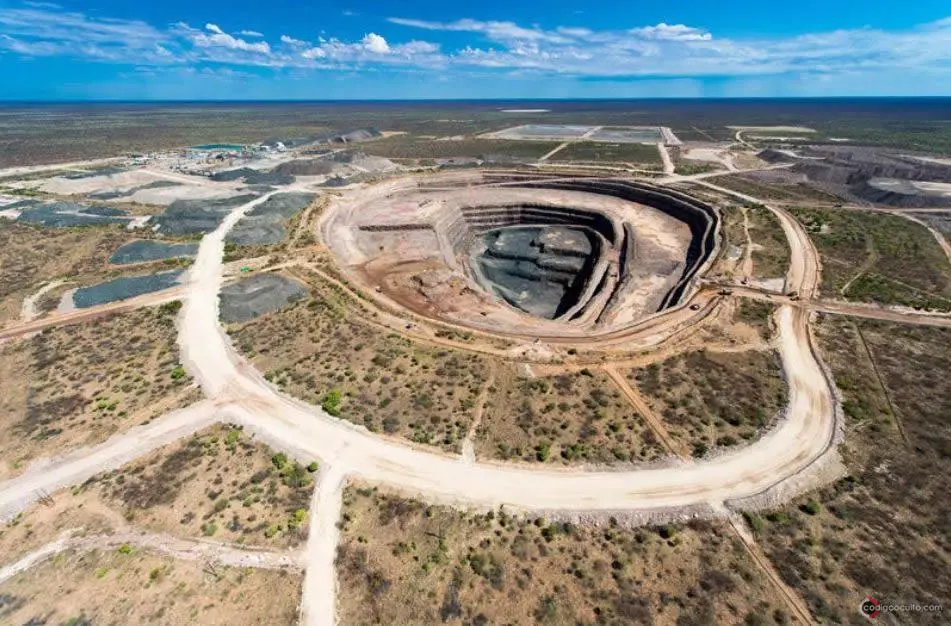
A regional partnership would spread financial risk and connect De Beers to major African production centres. Botswana brings Debswana and the Jwaneng and Orapa operations. Namibia brings offshore production through Namdeb and Debmarine Namibia. Angola offers large undeveloped geological prospects. South Africa brings De Beers history, technical skills, trading links, and the Venetia operation.
The opportunity arrives during a severe diamond downturn. Anglo placed De Beers on the market in 05/2024 as part of a restructuring centred on copper and premium iron ore. Natural-diamond demand weakened across several markets, especially China, while cheaper laboratory-grown stones gained buyers in bridal jewellery. De Beers chief executive Al Cook said global demand had fallen for three consecutive years before a recent improvement.
De Beers reported revenue of US$3.5 billion for 2025, up from US$3.3 billion, but recorded an underlying EBITDA loss of US$511 million. Its average rough-diamond price index fell, inventory adjustments cut margins, and sales stayed subdued. Anglo then recorded another US$2.3 billion impairment linked to De Beers, following major reductions during two earlier years.
Market weakness has reached production. De Beers recently suspended output at Venetia in South Africa for two years. The mine represents around 40 percent of South African diamond production and employs roughly 3,500 people. Industry pricing measures place rough-diamond prices about 50 percent below 2022 highs.
Such conditions create both danger and opportunity. Buyers gain access after a deep fall in value, yet no government should treat a lower price as automatic value. Laboratory-grown stones have changed consumer expectations on cost, traceability, size, and design. Natural diamonds still retain luxury appeal, scarcity, cultural meaning, and established brands, but future profits need disciplined supply, stronger marketing, and lower operating costs.
Botswana faces the hardest choice. About 70 percent of De Beers’ annual rough production comes from Botswana. Diamonds have historically represented around 80 percent of exports, one third of fiscal revenue, and one quarter of national output. More recent IMF data placed diamonds near two thirds of exports during 2024. A poor acquisition would pressure public finances. Losing influence over De Beers would also threaten a strategic national interest.
President Duma Boko’s government needs to avoid a decision driven by pride. Citizens deserve the purchase price, funding sources, debt exposure, dividend assumptions, downside scenarios, management rights, and exit terms. Public pension funds or sovereign assets should never enter a prestige transaction without independent review.
The consortium also needs experienced commercial leadership. Mohwasa stressed the need for a stable owner, strong funding, operational knowledge, and a credible turnaround plan. Penny brings direct De Beers experience, but past leadership alone does not guarantee future success. The industry he managed before 2010 differs sharply from the market facing buyers in 2026.
Workers and mining communities must receive protection inside any agreement. New owners should publish employment plans, mine-investment schedules, rehabilitation funding, local procurement targets, and beneficiation commitments. Producing states should hold board representation and veto rights over major asset sales, mine closures, and headquarters changes.
De Beers also needs a modern African identity. Marketing should connect natural diamonds with verified origin, fair labour, community benefit, environmental repair, and African design. Consumers increasingly ask where luxury goods come from and who benefits. A stone mined in Botswana or Namibia should carry a clear national story and a visible local return.
The preferred-bidder decision marks progress, not victory. Anglo still owns 85 percent. Botswana still holds legal choices. Angola and Namibia have not publicly confirmed final participation. Negotiations might change the ownership mix before closing.
This sale gives Africa a rare chance to control a global luxury institution built on African resources. The buyers must resist replacing foreign ownership with secretive elite ownership. De Beers should emerge as a profitable, transparent, regionally anchored company whose value reaches citizens beyond mine gates.
Africa produced the diamonds. African states now have an opening to own more of the business. The final agreement must prove ownership brings skills, revenue, industry, and dignity rather than debt and another boardroom flag.