

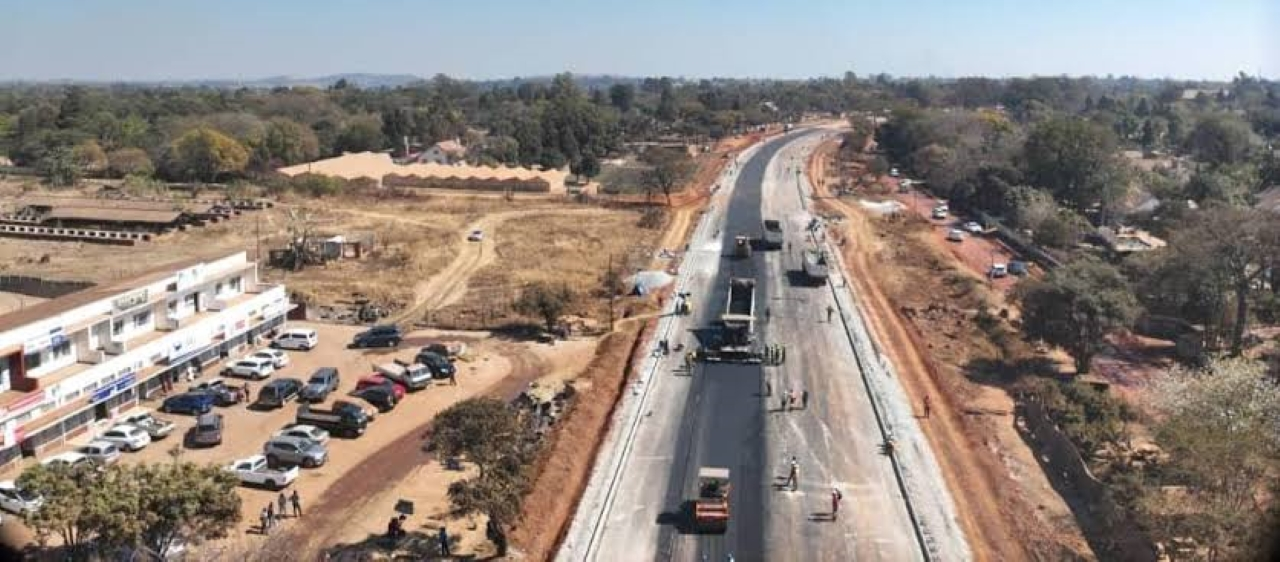
HARARE, Zimbabwe – Zimbabwe has secured financing for a major upgrade of the Chirundu border post with Zambia, clearing a long-running infrastructure project for construction and placing one of southern Africa’s busiest freight gateways at the centre of regional trade reform.
The Transport and Infrastructure Development Ministry announced the funding agreement on Tuesday with private partners operating through the Chirundu Border Consortium. Reuters reported the ministry did not disclose the final financing amount. Cabinet previously placed the estimated project cost at US$66.8 million and approved a 20-year Build, Operate, Own and Transfer arrangement with the consortium.
Chirundu carries economic importance far beyond Zimbabwe and Zambia. The crossing sits on the North-South Corridor, linking ports in South Africa and Mozambique with Zambia and the Democratic Republic of Congo copperbelt. Trucks move copper, cobalt, fuel, mining equipment, chemicals, fertiliser and consumer goods through the border every day. Delays at Chirundu therefore increase transport costs across several national economies.
Zimbabwe and Zambia opened Chirundu as Africa’s first functioning one-stop border post in December 2009. The model allowed travellers and commercial operators to complete formalities for both countries in one coordinated zone. COMESA says the arrangement aimed to eliminate duplicated procedures and shorten processing times. Early assessments recorded major reductions in truck waiting times after the one-stop system started.
Years of heavier freight volumes and ageing facilities later weakened those gains. Long queues returned, particularly during busy periods. Mining growth in Zambia and the DRC also placed more pressure on the corridor. Every stationary truck carries costs through driver time, fuel, financing charges, insurance and missed delivery schedules. Those costs eventually reach mines, factories, retailers and consumers.
The new project targets both physical infrastructure and border processing. Cabinet’s 2024 approval covered renovation of existing buildings, new border facilities, weighbridges, roads, parking areas, staff housing, integrated information and communication technology systems and improved traffic-processing systems. The plan therefore addresses more than appearance. Faster movement depends on roads, parking, digital systems and coordinated customs procedures working together.
Transport Minister Felix Mhona said the project had reached financial close and full construction would start in October. Contractors have started mobilising equipment, while the main works are expected to run for about 18 months. Chirundu Border Consortium will mobilise project capital, with Standard Bank of South Africa serving as lead debt arranger and senior lender.
Safaga International leads the project. The company also led the roughly US$300 million redevelopment of Beitbridge border post between Zimbabwe and South Africa. South Africa’s Strategic Partners Group joins the Chirundu scheme as a strategic investor. The financing structure gives Zimbabwe another public-private infrastructure project on a corridor carrying regional freight.
Beitbridge provides an important comparison. Zimbabwe modernised the border while improving sections of the highway running north toward Harare. Chirundu now addresses the northern end of the same commercial route. A freight operator moving between Zambia and South Africa needs efficiency at both borders, not one. A modern Beitbridge loses part of its value when trucks spend hours or days waiting at Chirundu.
Zimbabwe’s geography gives the country a commercial opportunity. The nation sits between major mineral-producing economies to the north and ports plus industrial markets to the south and east. Efficient roads and border posts give freight companies a reason to choose Zimbabwe. Poor roads, unpredictable clearance and long queues push traffic toward competing routes through Botswana, Tanzania, Namibia or Mozambique.
The World Bank has previously described the North-South route through Chirundu and Beitbridge as a major regional trade artery linking South Africa with Zimbabwe, Zambia, Malawi, parts of Mozambique, the DRC, Tanzania and the Great Lakes region. Older studies also documented border delays as a major source of transport cost along the corridor.
Competition among corridors has grown. Zambia gained another major southern route after the Kazungula Bridge opened between Zambia and Botswana. Zimbabwe therefore needs lower transit times, reliable road conditions and predictable border procedures to keep regional hauliers using the Chirundu-Beitbridge route. Transit traffic supports fuel stations, accommodation, logistics companies, workshops, food suppliers and customs-related services.
Chirundu also matters for Africa’s minerals race. Zambia and the DRC rank among the world’s major copper producers, while the DRC dominates cobalt supply. Global investment in electricity networks, electric vehicles, renewable energy equipment and data infrastructure keeps copper demand high. Efficient movement between inland mines and seaports strengthens export competitiveness and reduces supply-chain friction.
Zimbabwe also gains from northbound trade. Mines need equipment, reagents, fuel and industrial supplies. Consumers need imported goods. Farmers and manufacturers need access to neighbouring markets. A faster border supports traffic in both directions.
Government policy places Chirundu inside a wider programme of border and transport upgrades. Zimbabwe’s National Development Strategy 2 identifies regional integration, lower trade costs and more efficient border management as priorities. The plan also links faster border processing with opportunities under the African Continental Free Trade Area.
COMESA and the European Union have funded earlier improvements at Chirundu. In 2021, COMESA allocated €4.1 million for coordinated border management, infrastructure and equipment on Zimbabwe’s side under a wider EU-backed trade facilitation programme. Zambia also received support for upgrades at Chirundu, Mwami and Nakonde. The newest private financing moves the border into a much larger redevelopment phase.
Money and construction alone will not solve every delay. Border agencies need compatible digital systems, enough trained staff, reliable power, disciplined traffic management and close cooperation between Zimbabwean and Zambian authorities. Customs procedures must keep pace with new buildings. A truck still loses time when agencies duplicate inspections or computer systems fail.
Transparency also matters. A 20-year concession places a strategic national gateway under a long commercial arrangement. Government should publish clear information on user charges, performance targets, revenue arrangements, maintenance obligations and handover conditions. Businesses need predictable fees, while taxpayers need evidence of value.
The financing agreement removes a major obstacle. Construction now becomes the next test. If the project reaches completion on schedule and border processing improves alongside the physical works, Chirundu will strengthen Zimbabwe’s position as a transit hub between the copperbelt and southern African ports.
For regional trade, the measure of success will remain simple. Trucks must spend less time parked at the border and more time moving goods.