

HARARE, Zimbabwe – Human beings have survived plague, smallpox, influenza, Ebola, COVID-19, and many other deadly outbreaks. Medical science has turned several former death sentences into preventable or manageable conditions. HIV belongs in this story of human progress, but no honest health message should describe HIV as defeated.
HIV remains incurable.
Modern antiretroviral therapy suppresses HIV, protects the immune system, and gives people long, productive lives. Treatment also stops sexual transmission when a person reaches and maintains an undetectable viral load. Yet medicine does not remove HIV from the body. WHO states, “There is no cure for HIV infection.” Daily or prescribed long-acting treatment controls the virus. Treatment does not erase infection.
This distinction matters because public familiarity has reduced fear. Reduced fear saves lives when fear causes stigma, secrecy, and refusal to test. Reduced fear becomes dangerous when people start treating HIV as harmless. A manageable lifelong infection still demands lifelong discipline, clinic visits, viral-load checks, honest communication, and uninterrupted medication.
HIV often moves slowly. Without treatment, the chronic stage often lasts a decade or longer before AIDS develops. Such delay does not prove weakness. Slow progression gives HIV years to damage immunity and pass silently between partners. Many newly infected people feel healthy. Some notice a brief flu-like illness. Others notice nothing. A healthy appearance offers no evidence of a negative HIV status.
The Black Death offers a useful comparison only when history stays accurate. The major European pandemic struck during the fourteenth century, not the twelfth or thirteenth century. Yersinia pestis caused the disease. Symptoms usually began one to seven days after exposure. Untreated bubonic plague killed an estimated 30 to 60 percent of patients, while untreated pneumonic plague often killed within days. WHO estimates more than 50 million deaths in Europe. Antibiotics now treat plague successfully when doctors act early.
HIV follows another biological path. Plague often announced danger quickly. HIV often hides behind normal health while slowly weakening immune defences. One infection moves fast. The other often moves quietly. Both deserve respect. Comparing speed alone creates false comfort.
COVID-19 also showed human scientific strength. Researchers produced safe and effective vaccines less than one year after scientists isolated and sequenced SARS-CoV-2. Decades of earlier coronavirus and vaccine research supported such speed. Governments supplied huge funding. Regulators reviewed data continuously. Global laboratories shared findings at unmatched scale. HIV presents a harder target because the virus attacks immune cells, mutates rapidly, and forms hidden viral reservoirs. Scientific speed against COVID-19 does not mean researchers ignored HIV.
HIV treatment has advanced enormously. The first antiretroviral medicine received approval in 1987. Researchers established durable triple-drug suppression in 1996. Newer regimens now require fewer tablets, cause fewer side effects, and produce high suppression rates among people who remain in care and follow treatment instructions.
Magic Johnson represents survival through medicine, access, testing, discipline, and support. He announced his HIV diagnosis in 1991. He did not conquer HIV through lifestyle change alone. He did not receive a cure. He started treatment early, stayed under medical supervision, exercised, ate carefully, and followed his regimen. In 2024, Johnson said, “I’ve done my part, the medicine’s done its part.”
His own warning from 1991 still carries force. “I want everyone to practice safe sex and use condoms,” Johnson said. His long life should inspire treatment adherence, not reckless sex. Wealth and elite medical access also shaped his outcome. Many African patients face medicine shortages, transport costs, clinic queues, stigma, hunger, and weak viral-load monitoring. Personal discipline matters, but functioning health systems matter too.
Africa still carries the heaviest HIV burden. WHO estimated 40.8 million people lived with HIV worldwide at the end of 2024. Sixty-five percent lived in the African region. During 2024, around 1.3 million people acquired HIV and 630,000 died from HIV-related causes. Zimbabwe alone had an estimated 1.3 million people living with HIV. Those numbers reject any claim portraying HIV as a minor issue.
The blunt warning is simple. Do not have condomless sex with casual partners, new partners, secret partners, or anyone whose current status remains unknown. A person’s clothes, education, church membership, wealth, beauty, job title, or public reputation reveal nothing about HIV status.
Marriage also offers no biological shield. A wedding ring is not an HIV test. Condomless sex within marriage becomes safer when both partners test after relevant window periods, remain mutually faithful, and discuss any exposure honestly. A partner living with HIV who takes treatment and maintains an undetectable viral load does not transmit HIV through sex. This principle carries the name U equals U, meaning undetectable equals untransmittable.
People at continuing risk should ask a clinician about pre-exposure prophylaxis, known as PrEP. WHO now recommends oral medicines and long-acting options, including injections. After a recent exposure, post-exposure prophylaxis, known as PEP, needs urgent attention. Treatment should begin within 72 hours. Waiting for symptoms wastes precious time because early HIV often produces no clear warning.
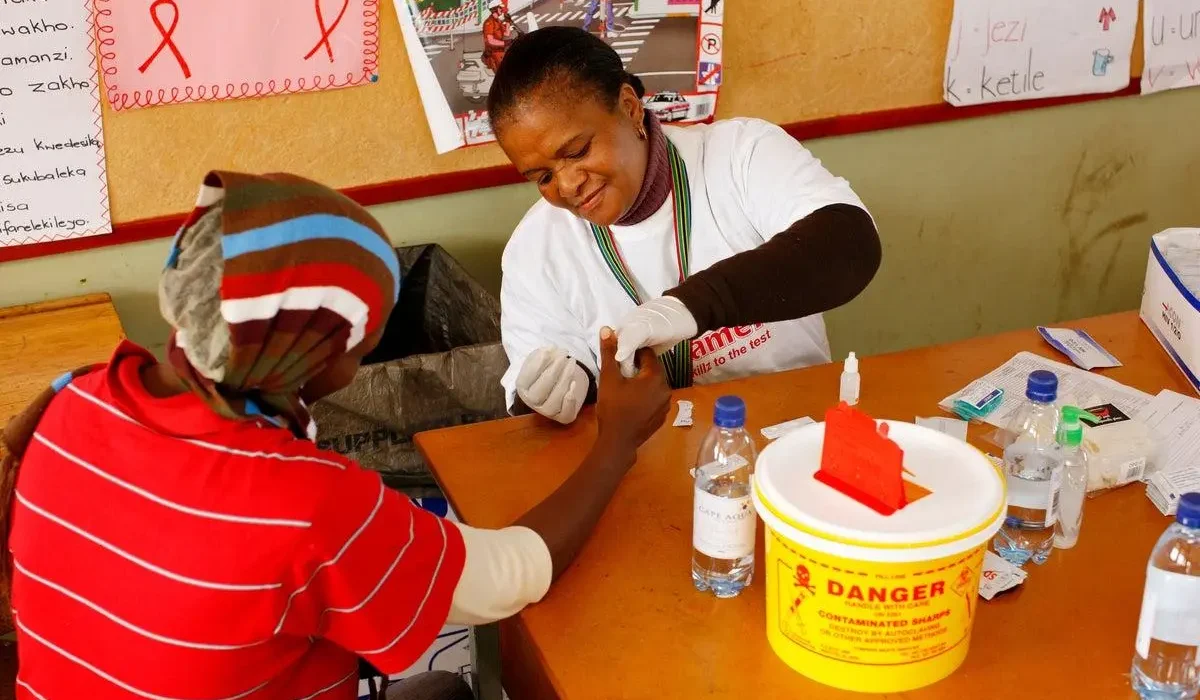
Testing must become routine, private, and free from shame. Couples should test together where safe. People with new partners should test before stopping condom use. Anyone receiving a negative result soon after exposure needs guidance about the window period and repeat testing. WHO notes many people develop detectable antibodies within 28 days, though national testing guidance should direct timing.
Anyone diagnosed with HIV should start treatment quickly and keep every dose on schedule. Skipping treatment risks viral rebound, immune damage, transmission, and drug resistance. WHO reports more than 90 percent of patients on dolutegravir-based treatment achieve sustained viral suppression when they adhere to therapy. Clinics and governments must prevent stockouts because missing medicine through system failure places lives at risk.
Africa also faces Ebola, malaria, tuberculosis, hepatitis, cervical cancer, and other cancers. Such burdens do not make HIV less serious. They demand stronger laboratories, reliable medicine supplies, prevention education, vaccination, screening, clean hospitals, and honest public communication.
HIV no longer needs to mean an early death. HIV still means lifelong infection. Science offers treatment, prevention, PrEP, PEP, condoms, testing, and U equals U. None of these tools supports carelessness.
Protect your life before passion removes your judgment. Know your status. Know your partner’s status. Use condoms where trust, testing, exclusivity, or viral suppression remain uncertain. Seek PEP quickly after exposure. Start treatment immediately after diagnosis. Take every dose.
HIV is treatable. HIV is still incurable. One unprotected encounter still carries consequences lasting for life.