

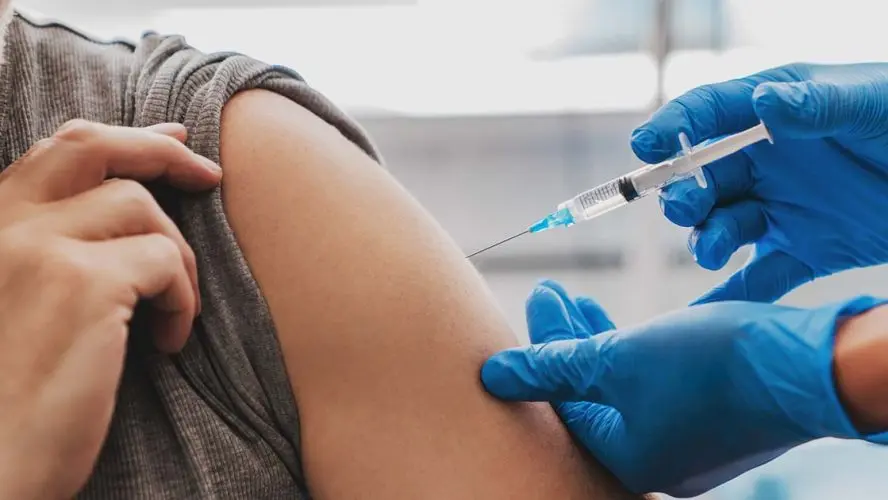
PRETORIA, South Africa – South Africa’s medicines regulator is reviewing 12 applications for generic semaglutide, raising expectations of lower prices for diabetes and weight-management treatment while placing patient safety under renewed scrutiny.
Semaglutide is the active ingredient in Ozempic, prescribed for type 2 diabetes, and Wegovy, approved for chronic weight management. Demand has grown sharply across many markets as doctors, patients, celebrities, and social media users turn toward medicines in the GLP-1 class.
The South African Health Products Regulatory Authority, known as SAHPRA, received the applications after Novo Nordisk’s main semaglutide patent expired in South Africa during March 2026. Indian manufacturer Sun Pharmaceutical Industries has already secured approval for a generic injectable product aimed at adults with inadequately controlled type 2 diabetes.
Novo Nordisk is also preparing a lower-priced authorised version of Ozempic through a partnership with Acino. The planned product, named Extensior, uses the same active ingredient, delivery system, manufacturing process, and dose strengths associated with Ozempic.
Greater competition offers clear public-health value. High prices have placed semaglutide beyond the reach of many African patients, despite growing rates of diabetes and obesity. The International Diabetes Federation estimates around 25 million adults across Africa live with diabetes. Diabetes caused about 216,000 deaths across the region during 2024.
Lower-cost products should widen access, improve treatment continuity, and reduce pressure on patients who currently pay high private-sector prices. More suppliers should also reduce shortages created by global demand.
Price alone must never guide public confidence.
Every injectable medicine needs strict oversight from manufacturing through dispensing. Regulators must verify identity, purity, potency, sterility, stability, storage, packaging, and dose accuracy. Each manufacturer must meet the same safety standard, regardless of whether the product carries an established brand or a generic label.
South Africans should approach this expansion with informed caution, not panic and not blind trust.
The COVID-19 period left deep public unease across Africa. Many governments communicated poorly. Procurement agreements often lacked openness. Public officials sometimes dismissed fair questions about ingredients, safety monitoring, liability, and adverse reactions. Such conduct damaged trust.
Those failures should guide stronger oversight now.
Public concern does not prove approved vaccines contained hidden or unknown substances. Serious scrutiny depends on laboratory testing, published evidence, regulatory records, independent review, and transparent safety reporting. The same standard should apply to semaglutide.
Patients deserve clear information about every approved product. SAHPRA should publish accessible summaries explaining the active ingredient, inactive ingredients, manufacturer, production site, approval basis, storage conditions, known side effects, and post-market monitoring plan.
Africa should never accept a system where citizens receive injections without understandable information.
Semaglutide is not a casual beauty product. The medicine is a prescription treatment with recognised benefits and recognised risks. Common side effects include nausea, vomiting, diarrhoea, constipation, and abdominal discomfort. More serious complications require immediate medical review.
A qualified clinician should assess each patient before treatment. Medical history, diabetes control, kidney function, gastrointestinal disease, pregnancy plans, current medicines, and previous reactions all matter.
Patients should avoid semaglutide sold through social media pages, beauty salons, gyms, informal traders, unlicensed websites, and private individuals. Such sources often provide no guarantee of authenticity, correct storage, or sterile handling.
Counterfeit and illegally compounded products represent a growing threat.
The World Health Organization has reported falsified Ozempic batches found in Brazil, Britain, and the United States. Fake products might contain incorrect doses, harmful contamination, substituted ingredients, or no semaglutide. WHO has urged authorities to strengthen monitoring of informal and online sales.
South African authorities have also acted against unlawful manufacture and distribution of unregistered GLP-1 products. SAHPRA and the South African Pharmacy Council seized affected products and ordered a recall on 23/05/2026.
Compounding has a narrow medical role when a registered product fails to meet a specific patient’s needs. Large-scale production under a compounding label creates serious concerns. Mass-produced injections might bypass full registration, stability testing, dose validation, sterile manufacturing controls, and routine inspections.
SAHPRA warns products obtained outside legal supply chains might contain unreviewed salt forms or even a different active ingredient such as insulin. Such findings explain why public demand must move through licensed pharmacies and registered health professionals.
Government should act firmly against illegal operators while protecting lawful pharmacy practice.
The generic expansion also creates an opportunity for stronger African medicine regulation. SAHPRA holds influence across the continent, and many neighbouring states watch its decisions when assessing new products. A transparent approval process would strengthen confidence beyond South Africa.
The regulator should publish manufacturer inspection outcomes, recall notices, adverse-event trends, and enforcement actions. Authorities should also explain whether each applicant plans local production, local filling, or importation of finished pens.
Local production deserves support, but local packaging alone should not be presented as full pharmaceutical independence. African laboratories need capacity to test active ingredients, finished doses, sterility, contaminants, and batch consistency.
Governments should invest in independent public laboratories. Regulators need enough scientists, pharmacists, inspectors, lawyers, and data specialists to resist political pressure and commercial influence.
Price transparency also matters.
Manufacturers, wholesalers, pharmacies, medical schemes, and public procurement agencies should disclose prices across dose strengths. Lower factory prices should reach patients rather than disappear through distribution margins, tender arrangements, or private mark-ups.
Clinical priorities need protection as well.
People living with poorly controlled diabetes, cardiovascular risk, kidney disease, and severe obesity should receive priority based on medical need. Cosmetic demand from wealthy consumers should not empty pharmacy shelves while diabetic patients struggle to maintain treatment.
Doctors also need clear prescribing standards. WHO guidance places GLP-1 medicines within comprehensive care involving healthy diets, physical activity, clinical supervision, and long-term follow-up. Injections should never replace responsible medical care.
Public education will remain essential.
Patients should check registration details, batch numbers, expiry dates, packaging seals, storage instructions, and pharmacy credentials. Any product offered without a prescription or professional consultation should raise concern.
Government should also create a simple public database where citizens verify approved medicines and report suspected counterfeits. Reporting systems should accept photographs, batch information, seller details, and adverse reactions.
The entry of generic semaglutide into South Africa marks an important stage for medicine access across Africa. Competition should reduce prices and expand treatment options.
Success will depend on regulation, not marketing.
Africans deserve affordable medicines. They also deserve full information, independent testing, qualified prescribing, safe supply chains, and honest communication.
The lesson from COVID-19 should not become a permanent fear of every injection. The lesson should become a permanent demand for transparency, evidence, accountability, and informed consent.
Cheaper semaglutide offers real promise. Strong regulation must protect every patient who receives treatment.