
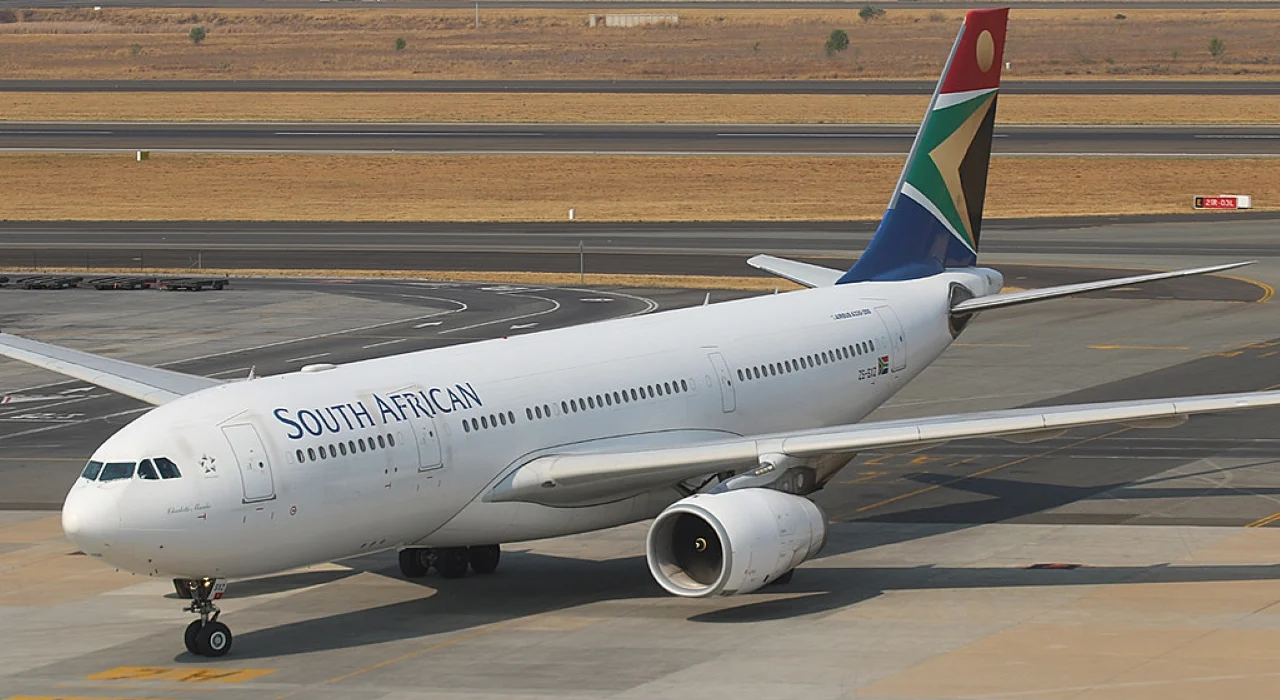
CAPE TOWN, South Africa – South Africa has escalated efforts to recover about R1.4 billion owed by foreign states, with Zimbabwe accounting for roughly R1 billion linked to South African Airways ticket revenue trapped inside the country for years.
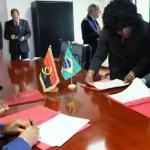
The Department of International Relations and Cooperation briefed Parliament’s Standing Committee on Appropriations on Tuesday about recovery plans. Parliament listed Zimbabwe’s SAA funds among the central items for discussion, placing a long-running aviation dispute inside formal diplomatic channels.
The Zimbabwe exposure dominates the total. Parliament recorded in June more than R1 billion had remained difficult for SAA to repatriate from Zimbabwe. The same report said South Africa’s Department of Transport entered several repayment arrangements with Harare, followed by repeated defaults.
Zimbabwe later offered to pay US$1 million, around R17 million, every month. Parliament said the latest payment advice available during its June review covered March 2026. Lawmakers openly questioned Harare’s commitment to clearing the balance.
“The Committee questions the commitment by the Government of Zimbabwe to settle this debt,” Parliament said in its appropriations report.
The money did not begin as a conventional government loan. SAA sold tickets and earned revenue in Zimbabwe, then struggled to convert and transfer local proceeds because foreign currency shortages and exchange controls restricted repatriation. SAA previously impaired the receivable after doubts grew over full recovery.
An SAA annual report said the airline once held about US$87.9 million in unrepatriated Zimbabwe ticket revenue. SAA later used some money locally and moved small amounts to South Africa. The balance stood near US$59 million in a later disclosure. Current parliamentary figures place Zimbabwe’s obligation near R1 billion.
The problem extends beyond SAA. The International Air Transport Association reported US$65 million in airline funds blocked in Zimbabwe at the end of March 2026. Zimbabwe ranked seventh among countries holding airline money, behind Algeria, Lebanon, the Central African CFA zone, Mozambique, Eritrea and Angola.
IATA describes blocked funds as airline revenue earned locally but prevented from leaving in hard currency because of exchange controls, currency shortages or regulatory barriers. Airlines need foreign currency for fuel, aircraft leases, maintenance, insurance and other costs priced internationally.
For Zimbabwe, the SAA dispute exposes a wider cost from chronic foreign exchange shortages. Airlines, investors and suppliers price payment risk into future business. Some reduce exposure. Others demand foreign currency before service delivery. Such behaviour raises operating costs for an economy seeking outside investment.
For South Africa, recovery carries added urgency because SAA has spent years rebuilding after business rescue. The carrier reported R8.838 billion in revenue for the year ending March 2025 and a group net profit of R155 million. SAA also reported R1.967 billion in cash and cash equivalents.
Those figures sit beside serious warnings from Parliament and the Auditor-General. In April, auditors raised concerns about operating losses, negative operating cash flows and liquidity pressure. Transport Minister Barbara Creecy told lawmakers SAA still had a long distance to travel before reaching sustained profitability.
Against such pressure, R1 billion matters.
Auditor-General officials told Parliament earlier this year recovery of blocked revenue from Zimbabwe, Malawi, Egypt and Nigeria would strengthen SAA liquidity. About R416 million remained blocked across those countries, separate from the additional Zimbabwe amount discussed by lawmakers.
The timing also places Harare under diplomatic pressure. President Cyril Ramaphosa hosted President Emmerson Mnangagwa in Pretoria only four days before Tuesday’s parliamentary briefing for the fourth South Africa-Zimbabwe Bi-National Commission.
Ramaphosa called Zimbabwe “a strategic partner” and said Zimbabwe ranked among South Africa’s largest trading partners. He also said bilateral trade had almost doubled over four years. South Africa exports far more goods to Zimbabwe than Zimbabwe sends south.
The two governments signed new agreements and promised deeper trade, investment and infrastructure cooperation. Ramaphosa said existing instruments needed implementation so citizens in both countries receive benefits.
The unpaid SAA balance now provides a direct test of such commitments.
Pretoria possesses several diplomatic routes. DIRCO officials have bilateral channels through the Bi-National Commission, ministerial engagements and direct government negotiations. South Africa also holds commercial influence because Zimbabwe depends heavily on South African trade, banking links, transport routes and investment.
Aggressive pressure carries risks for both governments. South Africa seeks regional stability and stronger trade. Zimbabwe seeks access to South African markets and capital. A negotiated payment schedule therefore serves both sides better than another cycle of promises followed by missed instalments.
Harare also faces genuine foreign currency pressures. Zimbabwe has spent years struggling with currency instability, exchange shortages and low confidence in domestic money. Those conditions explain why airline revenue became trapped. Explanation does not erase repayment responsibility.
The central question now concerns credibility.
If Zimbabwe offered US$1 million monthly, Pretoria should publish a clear repayment ledger showing amounts received, missed instalments and the remaining balance. Regular disclosure would give Parliament, SAA and Zimbabwean authorities one shared record.
South African lawmakers have already signalled impatience. Their June report urged DIRCO to use all available diplomatic processes to recover SAA money. Tuesday’s briefing moves responsibility beyond the airline and Department of Transport into South Africa’s foreign policy machinery.
Zimbabwe therefore faces more than an old airline accounting problem. The dispute now affects how investors judge payment discipline and how South Africa measures bilateral commitments.
Ramaphosa and Mnangagwa spent last week promising deeper economic cooperation. Pretoria now wants Harare to honour an older obligation first.