
MOSCOW, Russia –
Russia permits ordinary passport holders from only six African countries to enter without a visa, despite years of speeches presenting Moscow as a close partner of the continent. Botswana, Cabo Verde, Mauritius, Namibia, Seychelles, and South Africa receive full short-stay exemptions. Citizens from the other 48 United Nations-recognised African states still face either an electronic visa or a standard consular application.
The six-country list is accurate for ordinary African passports entering Russia. Namibia and South Africa receive stays of up to 90 days. Mauritius and Cabo Verde receive up to 60 days. Botswana and Seychelles receive up to 30 days. Russia’s official diplomatic sources confirm South Africans receive up to 90 days, Batswana receive 30 days, and Cabo Verdeans receive 60 days.
Kenya, Zimbabwe, and Eswatini sit in a separate category. Their citizens qualify for Russia’s unified electronic visa. Moscow added the three states during a 2024 expansion. An electronic visa is not visa-free entry. Applicants submit personal details, a passport scan, a facial photograph, and payment before travel. Russian authorities still retain power to refuse the application or entry.
Russia’s current unified electronic visa provides one entry, stays valid for 120 days after issue, and permits a visit of no more than 30 days. Applications open 86 days before travel and close four days before arrival. Processing takes up to four calendar days. No invitation letter or hotel confirmation is required, although travellers need valid medical insurance under most circumstances.
Every other African ordinary passport holder generally needs a conventional visa before travelling to Russia. Such applications often require supporting documents linked to tourism, business, study, employment, family visits, or official invitations. Diplomatic and service passport exemptions cover a much wider group, but such privileges serve officials rather than ordinary citizens.
The distinction matters because Russian statements often mix three different questions. One concerns Africans entering Russia on ordinary passports. Another concerns Russian citizens entering African states. A third concerns diplomats travelling on official passports. Combining those categories produces inflated claims and misleading social-media lists.
A November 2025 statement from Russian Foreign Ministry official Tatyana Dovgalenko referred to 11 African countries with visa-free travel involving Russia. Her list included Angola, Malawi, Morocco, São Tomé and Príncipe, and Tunisia alongside the six states named above. Yet Russia’s ordinary-passport entry list for African citizens remained at six. The wider figure appears to combine travel rights enjoyed by Russians abroad or exemptions covering restricted passport categories.
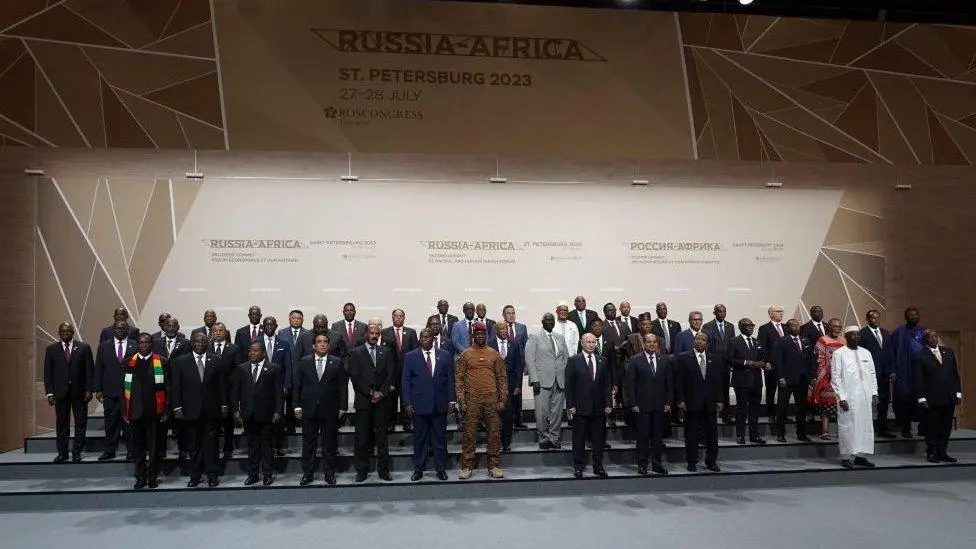
Moscow itself acknowledged the six-country limit earlier. Oleg Ozerov, then head of the Russia-Africa Partnership Forum secretariat, said, “We have visa-free agreements with six countries.” He added negotiations with other African states were continuing and described each agreement as a separate, gradual process.
Russia holds a sovereign right to screen visitors. Security concerns, migration controls, reciprocal treatment, document standards, overstays, and bilateral negotiations shape visa policy across the world. African governments also impose restrictions on foreign visitors. The issue concerns the gap between political language and practical access.
Russian officials regularly speak about equality, anti-colonial solidarity, trade, tourism, education, culture, and stronger people-to-people relations with Africa. Moscow has also expanded defence and security ties across parts of the continent. Yet travel access for ordinary Africans stays narrow. A student, trader, researcher, tourist, or small-business owner from Nigeria, Ghana, Ethiopia, Tanzania, Zambia, Uganda, Senegal, or the Democratic Republic of Congo still faces more paperwork than a traveller from the six exempt states.
Visa restrictions carry an economic cost. Business relationships grow through visits, exhibitions, university exchanges, tourism, airline links, and direct meetings. A difficult application process discourages smaller companies and independent travellers first. Large corporations, state delegations, and politically connected groups usually possess staff and money for visa procedures.
Air connectivity creates another obstacle. Dovgalenko said Russia had regular or charter flights with only Algeria, Egypt, Morocco, Tunisia, Ethiopia, and Seychelles during late 2025. Few direct routes raise ticket prices and force long connections through Gulf, North African, or Turkish hubs. Visa reform without affordable flights would produce limited movement.
African governments also carry responsibility. Many provide weak consular support, slow passport services, poor civil-registration systems, and little pressure for reciprocal travel agreements. Some leaders celebrate summit invitations while ordinary citizens receive no comparable access. Diplomatic exemptions often arrive first because officials negotiate benefits for officials.
The unequal structure should concern African citizens. A government minister with a diplomatic passport often crosses borders easily. A student seeking a Russian university place, an entrepreneur attending a trade fair, or a family visiting relatives faces fees, documents, insurance, and possible refusal. Foreign policy loses public value when elite mobility advances faster than citizen mobility.
Russia has discussed broader waivers for years. Ozerov said in 2023 Moscow would work toward agreements across Africa. Later officials spoke about negotiations involving more African and Middle Eastern states. Progress has remained slow. Kenya, Zimbabwe, and Eswatini gained electronic access, which represents an improvement, yet the arrangement still falls below a full waiver.
African states should negotiate from a position of reciprocity and clear national interest. Governments granting Russians easy entry should seek equivalent treatment for their own ordinary passport holders. Agreements should publish stay periods, eligible travel purposes, implementation dates, overstay rules, employment restrictions, and appeal procedures.
Citizens also need accurate information before buying tickets. Visa-free entry does not grant permission to work, study long term, or settle permanently. Electronic approval does not guarantee admission at the border. Travellers should rely on Russian consular sources rather than viral graphics promising open entry for every African passport.
The six visa-free countries have gained a useful advantage. Kenya, Zimbabwe, and Eswatini have received a faster route through the electronic system. The remaining African majority still waits outside full visa exemption.
Russia’s African partnerships should face the same test applied to Western, Gulf, Asian, and African partners. Speeches matter less than measurable access. Trade pledges should produce contracts. Education promises should produce placements. Tourism plans should produce flights. Friendship claims should produce fair, reciprocal movement for ordinary people.
Moscow says broader negotiations continue. African governments should demand dates, terms, and equal treatment. Until new agreements enter force, the factual position stays clear. Only six African nationalities receive ordinary-passport visa-free entry into Russia.